Foods for Gut Health A Comprehensive Guide

Foods for gut health are crucial for overall well-being. Our gut microbiome, a complex ecosystem of bacteria and other microorganisms, significantly impacts digestion, immunity, and even mental health. A balanced diet rich in prebiotics, probiotics, and diverse nutrients directly influences the composition and function of this vital ecosystem, affecting everything from nutrient absorption to disease prevention. This guide explores the profound connection between diet and gut health, offering practical strategies for nurturing a thriving gut microbiome.
We’ll delve into the specifics of prebiotics and probiotics, examining their roles and exploring food sources rich in these beneficial compounds. We’ll also cover various dietary approaches, including vegan, vegetarian, keto, and low-carb diets, analyzing their impacts on gut health and offering tailored advice. Furthermore, we’ll discuss the importance of mindful eating, address budget-friendly options, and provide guidance for athletes seeking to optimize their gut health for peak performance.
The information presented aims to empower you to make informed dietary choices that support a healthy and vibrant gut.
Keto and Low-Carb Diets and Gut Health
Ketogenic and low-carb diets have gained significant popularity, but their impact on gut health remains a subject of ongoing research. While some studies suggest potential benefits, others highlight potential drawbacks, making it crucial to understand the nuances of these dietary approaches and their effects on the complex ecosystem within our intestines.The gut microbiome, a diverse community of bacteria, fungi, and other microorganisms residing in the digestive tract, plays a vital role in various bodily functions, including digestion, immunity, and even mental health.
Dietary changes significantly influence the composition and activity of this microbiome, and ketogenic and low-carb diets are no exception.
Impact of Keto and Low-Carb Diets on the Gut Microbiome, Foods for gut health
These diets, characterized by a significant reduction in carbohydrate intake and a corresponding increase in fat consumption, lead to shifts in the gut microbiome composition. Specifically, a decrease in the abundance of bacteria that thrive on carbohydrates is often observed. This shift can impact short-chain fatty acid (SCFA) production, crucial metabolites derived from fiber fermentation by gut bacteria.
SCFA’s, such as butyrate, propionate, and acetate, play important roles in gut health, influencing intestinal barrier function and immune regulation. The extent of these changes varies depending on the specific diet followed, the individual’s baseline microbiome, and the duration of adherence.
Potential Benefits of Keto and Low-Carb Diets for Gut Health
Some studies suggest that ketogenic and low-carb diets may offer certain benefits for gut health in specific populations. For instance, these diets have been associated with improvements in gut permeability (or “leaky gut”) in some individuals with inflammatory bowel disease (IBD). The reduction in inflammation associated with weight loss on these diets may also contribute to improved gut health.
Furthermore, the increased consumption of healthy fats, such as those found in avocados, nuts, and olive oil, can provide beneficial fatty acids that support gut barrier function. It is important to note, however, that these benefits are not universally observed and further research is needed.
Potential Drawbacks of Keto and Low-Carb Diets for Gut Health
Conversely, several potential drawbacks are associated with these diets. The significant reduction in fiber intake, a key component for promoting healthy gut microbiota diversity, can lead to a decrease in beneficial bacteria and an increase in potentially harmful bacteria. This imbalance can disrupt gut homeostasis, potentially leading to issues such as constipation, altered bowel habits, and increased risk of infections.
Furthermore, the restriction of many fruits and vegetables, which are rich in prebiotics that feed beneficial bacteria, can further negatively impact the gut microbiome’s diversity and functionality. The potential for nutrient deficiencies due to restrictive nature of these diets can also negatively impact overall health and gut function.
Comparison of Ketogenic and Low-Carb Diets’ Gut Health Effects
While both ketogenic and low-carb diets restrict carbohydrates, they differ in their macronutrient composition. Ketogenic diets are extremely low in carbohydrates, aiming for a very high fat intake to induce ketosis (a metabolic state where the body burns fat for energy). Low-carb diets generally allow for a more moderate fat intake and are less restrictive in protein. This difference can affect the gut microbiome differently.
Ketogenic diets tend to cause more dramatic shifts in the gut microbiome than low-carb diets, potentially leading to more pronounced effects, both positive and negative, on gut health. The more restrictive nature of the ketogenic diet may result in a greater risk of nutrient deficiencies and negative impacts on gut microbiota diversity. Therefore, a more moderate low-carb approach might be better tolerated by the gut microbiome for many individuals.
Superfoods and Supplements for Gut Health
Maintaining a healthy gut microbiome is crucial for overall well-being. A balanced diet rich in diverse nutrients plays a significant role, and incorporating specific superfoods and, in some cases, supplements can further enhance gut health. However, it’s vital to remember that individual needs vary, and a personalized approach is often best.
Five Superfoods Supporting Gut Health
The following five superfoods offer a variety of benefits for gut health, contributing to a thriving microbiome. These foods are rich in prebiotics, probiotics, or other nutrients that support the growth of beneficial gut bacteria.
- Kimchi: A vibrant, fermented Korean side dish. Imagine a medley of spicy, fermented cabbage and vegetables, ranging in color from pale green to deep crimson, depending on the chili peppers used. The texture is crisp yet slightly soft, offering a delightful contrast of textures. Kimchi is packed with probiotics, promoting gut diversity and digestive health.
- Greek Yogurt (Plain, Unsweetened): Creamy, white, and subtly tangy, plain Greek yogurt presents a smooth, almost custard-like texture. Its high protein content supports satiety and overall health. Furthermore, it often contains probiotics, beneficial bacteria that can improve digestion and support the gut microbiome.
- Blueberries: Deeply pigmented, these small berries boast a rich, dark blue-purple hue and a slightly tart yet sweet flavor. Their soft, juicy texture makes them a delicious snack. Blueberries are rich in antioxidants and fiber, which contribute to gut health by promoting a healthy gut environment.
- Bananas: A classic, readily available fruit. Bananas showcase a creamy yellow color when ripe, transitioning to a speckled brown as they mature. Their soft, smooth texture makes them easy to digest. They are a good source of prebiotic fiber, which feeds beneficial bacteria in the gut.
- Avocado: A visually striking fruit, avocados are known for their vibrant, deep green flesh and creamy texture. The color can range from light to dark green, depending on ripeness. Their smooth, buttery consistency makes them a versatile ingredient. Avocados are rich in healthy fats and fiber, which are beneficial for gut health and overall digestive function.
The Role of Supplements in Improving Gut Health
While a balanced diet provides the foundation for gut health, specific supplements can play a supporting role in certain cases. However, it is crucial to understand that supplements are not a replacement for a healthy diet.
- Fiber Supplements: Fiber is essential for gut health, promoting regular bowel movements and feeding beneficial bacteria. Fiber supplements, such as psyllium husk or methylcellulose, can help increase fiber intake when dietary sources are insufficient.
- Digestive Enzymes: These supplements can aid in the breakdown of food, potentially alleviating digestive discomfort in individuals with specific enzyme deficiencies. Examples include lactase (for lactose intolerance) and protease (for protein digestion).
The Importance of Consulting a Healthcare Professional Before Taking Supplements
Before starting any supplement regimen, consulting a healthcare professional is crucial. They can assess individual needs, potential interactions with medications, and underlying health conditions. Self-treating with supplements can be risky and may not always be beneficial. A healthcare professional can provide personalized guidance and ensure safe and effective supplementation.
Intermittent Fasting and Gut Health: Foods For Gut Health
Intermittent fasting (IF), characterized by cyclical periods of eating and voluntary abstinence from food, is gaining popularity not only for weight management but also for its potential impact on gut health. While research is ongoing, several mechanisms suggest a beneficial relationship between IF and the gut microbiome. These effects are primarily linked to alterations in metabolic processes and shifts in gut bacterial composition.Intermittent fasting’s potential effects on the gut microbiome are multifaceted.
By influencing nutrient availability and hormonal signaling, IF can lead to changes in the diversity and abundance of gut bacteria. Some studies suggest that IF may promote the growth of beneficial bacteria while suppressing the proliferation of harmful ones. This shift in microbial composition can, in turn, impact various aspects of gut health, including improved digestion, reduced inflammation, and enhanced immune function.
However, it’s crucial to remember that the specific effects can vary depending on the individual, the type of IF practiced, and the duration of the fasting periods.
Methods of Intermittent Fasting and Their Suitability for Gut Health
Several different intermittent fasting protocols exist, each with its own approach to scheduling eating and fasting periods. The choice of method depends largely on individual preferences, lifestyle, and health goals. Popular methods include the 16/8 method (fasting for 16 hours and eating within an 8-hour window), the 5:2 diet (eating normally for five days and restricting calories to 500-600 on two non-consecutive days), and alternate-day fasting (alternating between days of normal eating and days of fasting).
While all methods may influence gut microbiota, the 16/8 method, due to its relative ease of implementation, is often considered more sustainable for long-term adherence and, consequently, may yield more consistent effects on gut health. The 5:2 and alternate-day methods, however, might lead to more pronounced metabolic shifts and thus, more substantial, albeit potentially more challenging to maintain, alterations in gut microbiota.
Individual responses vary significantly, highlighting the need for personalized approaches and careful monitoring.
Potential Benefits of Intermittent Fasting for Gut Health
The potential benefits of intermittent fasting for gut health are numerous, although research is still in its early stages. Studies have indicated that IF may enhance gut barrier function, reducing intestinal permeability (“leaky gut”). This improvement can help prevent the passage of harmful substances into the bloodstream, reducing systemic inflammation. Furthermore, IF has been linked to improved insulin sensitivity and reduced blood sugar levels, both of which can have positive effects on gut health.
Some research suggests that IF may also positively influence the production of short-chain fatty acids (SCFAs), beneficial metabolites produced by gut bacteria that play a crucial role in maintaining gut homeostasis and overall health. These SCFAs, such as butyrate, propionate, and acetate, nourish the gut lining, reduce inflammation, and contribute to improved gut barrier function.
Potential Risks of Intermittent Fasting for Gut Health
While IF offers several potential benefits, it is crucial to acknowledge potential risks, especially for individuals with pre-existing health conditions. For some individuals, IF may lead to digestive discomfort, including constipation, bloating, and changes in bowel habits. Moreover, the impact of IF on the gut microbiome can be unpredictable, and in some cases, it may lead to a decrease in beneficial bacterial diversity.
This effect is particularly relevant for individuals already experiencing gut dysbiosis (an imbalance in gut microbiota). Furthermore, individuals with certain medical conditions, such as eating disorders, diabetes, or gastrointestinal issues, should exercise caution and consult a healthcare professional before starting any IF regimen. The prolonged absence of food intake can also affect nutrient absorption and potentially lead to deficiencies if not carefully managed through dietary planning during the eating window.
Nutrition for Athletes and Gut Health
Maintaining a healthy gut is paramount for athletes, significantly impacting performance and recovery. A thriving gut microbiome contributes to efficient nutrient absorption, reduced inflammation, and a robust immune system – all crucial for optimal athletic function. Neglecting gut health can lead to decreased energy levels, impaired immune response, increased susceptibility to illness, and slower recovery times, hindering training progress and competition outcomes.
The Importance of Gut Health for Athletic Performance
The gut microbiome, a complex ecosystem of bacteria, fungi, and other microorganisms residing in the digestive tract, plays a vital role in athletic performance. These microorganisms aid in digestion, nutrient absorption, and the production of essential vitamins and short-chain fatty acids (SCFAs) that fuel the body and reduce inflammation. A balanced gut microbiome enhances the athlete’s ability to effectively utilize nutrients from their diet, leading to improved energy production, muscle function, and endurance.
Conversely, an imbalanced gut microbiome (dysbiosis), often characterized by an overgrowth of harmful bacteria, can lead to inflammation, impaired nutrient absorption, and increased susceptibility to illness, directly impacting athletic performance. Studies have shown a correlation between gut dysbiosis and increased rates of gastrointestinal distress, fatigue, and decreased performance in athletes.
Foods and Dietary Strategies to Support Gut Health in Athletes
A diet rich in prebiotics, probiotics, and diverse fiber sources is essential for supporting a healthy gut microbiome in athletes. Prebiotics are non-digestible food ingredients that act as fuel for beneficial gut bacteria, while probiotics are live microorganisms that, when consumed in adequate amounts, confer a health benefit. Dietary fiber promotes a diverse gut microbiome and aids in regular bowel movements, preventing constipation, which is a common issue for athletes.
Examples of prebiotic-rich foods include:
- Bananas
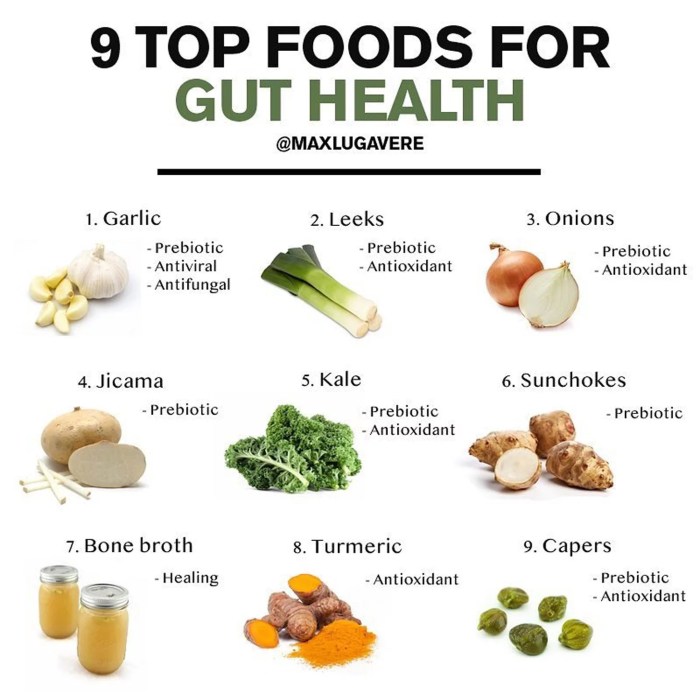
- Onions
- Garlic
- Leeks
- Asparagus
- Oats
Examples of probiotic-rich foods include:
- Yogurt (with live and active cultures)
- Kefir
- Sauerkraut
- Kimchi
- Kombucha
It’s also important to consume a variety of fiber-rich foods such as:
- Fruits (berries, apples, pears)
- Vegetables (broccoli, spinach, kale)
- Legumes (beans, lentils)
- Whole grains (brown rice, quinoa, oats)
Furthermore, athletes should focus on hydration and limit processed foods, excessive sugar, and unhealthy fats, as these can negatively impact gut health.
Sample One-Week Meal Plan for an Athlete
This sample meal plan emphasizes whole, unprocessed foods rich in prebiotics, probiotics, and fiber to support gut health and athletic performance. Individual needs may vary depending on training intensity and caloric requirements. This plan serves as a guideline and should be adjusted based on individual preferences and dietary needs. Consult with a registered dietitian or sports nutritionist for personalized guidance.
| Day | Breakfast | Lunch | Dinner | Snacks |
|---|---|---|---|---|
| Monday | Oatmeal with berries and nuts | Chicken salad sandwich on whole-wheat bread with mixed greens | Salmon with roasted vegetables (broccoli, sweet potato) | Greek yogurt, apple slices |
| Tuesday | Smoothie with spinach, banana, and protein powder | Lentil soup with whole-wheat bread | Lean beef stir-fry with brown rice | Trail mix (nuts, seeds, dried fruit), banana |
| Wednesday | Scrambled eggs with whole-wheat toast and avocado | Leftover beef stir-fry | Chicken breast with quinoa and steamed green beans | Hard-boiled egg, small handful of almonds |
| Thursday | Yogurt with granola and fruit | Turkey breast and vegetable wrap | Baked chicken with roasted sweet potatoes and asparagus | Kefir, pear |
| Friday | Oatmeal with chia seeds and fruit | Leftover baked chicken and vegetables | Salmon with brown rice and steamed broccoli | Apple slices with peanut butter |
| Saturday | Pancakes made with whole-wheat flour and topped with berries | Large salad with grilled chicken or fish | Lean ground turkey with brown rice and mixed vegetables | Trail mix, banana |
| Sunday | Scrambled tofu with whole-wheat toast and avocado | Leftover ground turkey and vegetables | Vegetarian chili with whole-wheat bread | Greek yogurt, orange slices |
Eating for Energy and Focus
Maintaining optimal gut health is intrinsically linked to sustained energy levels and sharp mental focus. A healthy gut microbiome, teeming with beneficial bacteria, plays a crucial role in nutrient absorption, immune function, and even neurotransmitter production – all of which directly impact our energy and cognitive abilities. Neglecting gut health can lead to fatigue, brain fog, and difficulty concentrating, highlighting the importance of a targeted dietary approach.The connection between gut health, energy, and mental clarity is multifaceted.
A diverse and balanced gut microbiome efficiently extracts nutrients from food, providing the body with the essential building blocks for energy production. Furthermore, a healthy gut supports the integrity of the gut-brain axis, a complex communication network between the digestive system and the brain. This bidirectional pathway influences mood, cognitive function, and overall well-being. An imbalance in gut bacteria (dysbiosis) can disrupt this communication, leading to reduced energy, impaired concentration, and even mood disorders.
Dietary Strategies for Enhanced Energy and Focus
Optimizing your diet to support gut health involves several key strategies. Prioritizing whole, unprocessed foods rich in fiber is paramount. Fiber acts as prebiotics, feeding the beneficial bacteria in your gut and promoting a thriving microbiome. Limiting processed foods, sugar, and unhealthy fats is equally important, as these can disrupt the gut’s delicate balance and contribute to inflammation, which negatively impacts both energy levels and cognitive function.
Regular hydration is also crucial for optimal bodily function and nutrient transport. Adequate sleep and stress management further contribute to a healthy gut and enhanced cognitive performance.
Foods that Enhance Cognitive Function and Energy
A diet rich in specific nutrients is essential for supporting gut health and boosting energy and focus. The following foods are known for their beneficial effects:
- Leafy Green Vegetables: Spinach, kale, and collard greens are packed with vitamins, minerals, and fiber, promoting a healthy gut and providing sustained energy.
- Fermented Foods: Yogurt, kefir, sauerkraut, and kimchi are excellent sources of probiotics, beneficial bacteria that improve gut diversity and contribute to overall well-being. These also improve digestion and nutrient absorption, increasing energy levels.
- Berries: Blueberries, strawberries, and raspberries are rich in antioxidants and fiber, supporting gut health and protecting against oxidative stress, which can lead to fatigue and cognitive decline.
- Fatty Fish: Salmon, tuna, and mackerel are rich in omega-3 fatty acids, which are essential for brain health and cognitive function. These also possess anti-inflammatory properties, benefiting gut health.
- Avocado: This fruit is a good source of healthy fats and fiber, promoting satiety and supporting gut health. The healthy fats also contribute to brain function and energy levels.
Healthy Eating on a Budget
Maintaining a healthy gut doesn’t require a hefty grocery bill. Many affordable, readily available foods support gut health, making it possible to nourish your microbiome without breaking the bank. By focusing on nutrient-dense, whole foods and employing smart shopping and cooking strategies, you can create delicious and gut-friendly meals on a budget.A healthy gut relies on a diverse range of foods rich in fiber, prebiotics, and probiotics.
Fortunately, many of these foods are inexpensive and easy to find. Strategic meal planning and batch cooking are key to maximizing your budget and minimizing food waste, ensuring you consistently prioritize gut health without compromising your finances.
Affordable Gut-Friendly Foods
Prioritizing inexpensive, gut-friendly foods is crucial for budget-conscious healthy eating. These options are widely available and offer significant nutritional value for their cost.
- Beans and Legumes: Dried beans (kidney, black, pinto, etc.) are incredibly affordable and packed with fiber, which is essential for a healthy gut microbiome. They’re also a great source of protein.
- Oats: Rolled oats are a budget-friendly source of soluble fiber, which helps feed beneficial gut bacteria. They can be used in porridge, baked goods, or as a base for overnight oats.
- Brown Rice: A whole grain option that’s cheaper than many other grains and provides fiber and nutrients to support gut health. It’s versatile and can be used in various dishes.
- Bananas: Rich in prebiotics, which act as food for beneficial gut bacteria. They are also a good source of potassium and other essential nutrients.
- Apples: A good source of pectin, a type of soluble fiber that promotes gut health. They are widely available and relatively inexpensive, especially when purchased in season.
Budget-Friendly Meal Planning Strategies
Effective meal planning is essential for sticking to a budget and ensuring you consistently eat gut-friendly foods. These strategies help maximize your food budget and minimize waste.
- Plan your meals for the week: Creating a weekly meal plan helps you avoid impulse purchases and ensures you utilize all ingredients efficiently.
- Cook in bulk: Preparing larger batches of meals like soups, stews, or chili allows for leftovers, saving time and money throughout the week.
- Buy in bulk (when appropriate): Dried beans, grains, and oats are often cheaper when purchased in bulk, provided you have sufficient storage space.
- Utilize leftovers creatively: Transform leftover cooked beans into salads, soups, or dips to prevent food waste and add variety to your meals.
- Reduce food waste: Proper food storage, meal planning, and using up leftovers are crucial for maximizing your food budget and minimizing environmental impact.
Inexpensive Gut-Friendly Recipes
These simple recipes demonstrate how to create delicious and gut-healthy meals without exceeding your budget.
- Lentil Soup: A hearty and nutritious soup made with lentils, vegetables (carrots, celery, onions), and broth. This recipe is highly customizable and can be easily adapted to use whatever vegetables are on sale.
- Black Bean Burgers: Mash cooked black beans with breadcrumbs, spices, and an egg (or flax egg for a vegan option) to create inexpensive and protein-rich burgers. Serve on whole-wheat buns or lettuce wraps.
- Overnight Oats: Combine rolled oats with milk (dairy or non-dairy), chia seeds, and your favorite fruits (like bananas or apples) for a quick and easy breakfast that’s packed with fiber and prebiotics. This can be prepared the night before, saving time in the morning.
Weight Management Diets and Gut Health
The intricate relationship between gut health and weight management is increasingly recognized as a crucial factor in achieving and maintaining a healthy weight. Our gut microbiome, the vast community of microorganisms residing in our digestive tract, plays a significant role in various metabolic processes, influencing energy extraction from food, nutrient absorption, and even appetite regulation. Understanding this connection is vital for developing effective and sustainable weight management strategies.Dietary choices profoundly impact both gut health and weight.
A diet rich in processed foods, sugar, and unhealthy fats can disrupt the balance of the gut microbiome, leading to inflammation, impaired metabolism, and increased risk of obesity. Conversely, a diet abundant in fruits, vegetables, whole grains, and lean proteins promotes a diverse and healthy gut microbiome, supporting metabolic function and contributing to weight control.
The Gut Microbiome’s Role in Metabolism and Weight Regulation
The gut microbiome influences energy harvest from food. Different bacterial species possess varying abilities to break down complex carbohydrates and extract energy. An imbalance favoring bacteria that efficiently extract energy can lead to increased calorie absorption and weight gain. Conversely, a diverse microbiome may promote more efficient energy utilization and reduced fat storage. Furthermore, gut bacteria produce short-chain fatty acids (SCFAs), such as butyrate, propionate, and acetate, which influence satiety, glucose metabolism, and fat storage.
Studies have shown that individuals with a higher abundance of SCFA-producing bacteria tend to have lower body weight and improved metabolic health. For example, a study published in
- Nature* demonstrated a correlation between the abundance of
- Akkermansia muciniphila* and improved insulin sensitivity and reduced weight gain in obese individuals.
Comparison of Weight Management Approaches and Their Impact on the Gut Microbiome
Different weight-management approaches exert varying effects on the gut microbiome. Low-carbohydrate diets, for instance, can initially lead to a shift in the gut microbiome composition, with a reduction in certain bacterial groups. However, long-term effects can vary depending on the specific diet and individual response. The Mediterranean diet, rich in plant-based foods, has been shown to promote a diverse and beneficial gut microbiome, contributing to improved metabolic health and weight management.
Conversely, restrictive diets that severely limit food intake may negatively impact gut diversity and function, potentially hindering long-term weight management success. A balanced approach focusing on whole foods, prebiotics, and probiotics is generally recommended for optimal gut health and weight management.
The Impact of Probiotics and Prebiotics on Weight Management
Probiotics, live microorganisms with health benefits, and prebiotics, substances that promote the growth of beneficial bacteria, can play a role in weight management. Several studies suggest that certain probiotic strains may help regulate appetite, reduce fat storage, and improve metabolic parameters. For instance, some research indicates thatLactobacillus gasseri* may contribute to weight loss. Prebiotics, such as inulin and fructooligosaccharides (FOS), found in many fruits and vegetables, feed beneficial gut bacteria, further supporting a healthy microbiome and potentially aiding in weight management.
However, it’s crucial to note that the effects of probiotics and prebiotics on weight management can vary depending on the specific strains and individuals. More research is needed to fully elucidate their role in this context.
Ultimately, cultivating a healthy gut is an investment in overall well-being. By understanding the intricate relationship between diet and gut microbiota, and by adopting the practical strategies Artikeld in this guide, you can significantly improve your digestive health, boost your immunity, and enhance your overall quality of life. Remember that a personalized approach is key; consult with a healthcare professional to determine the best dietary plan for your individual needs and health goals.
Prioritizing gut health is a journey, not a destination, and every step you take towards a balanced and nutritious diet contributes to a healthier, happier you.
Top FAQs
What are the signs of an unhealthy gut?
Common signs include bloating, gas, constipation, diarrhea, fatigue, and skin problems.
How long does it take to see improvements in gut health after dietary changes?
Results vary, but many people notice improvements within a few weeks of adopting a gut-friendly diet.
Can I take too many probiotics?
While generally safe, excessive probiotic intake might cause temporary digestive discomfort in some individuals. Start with a moderate dose and monitor your body’s response.
Are there any foods I should avoid for better gut health?
Highly processed foods, excessive sugar, and artificial sweeteners are generally discouraged.