Turmeric Supplements Benefits A Comprehensive Guide
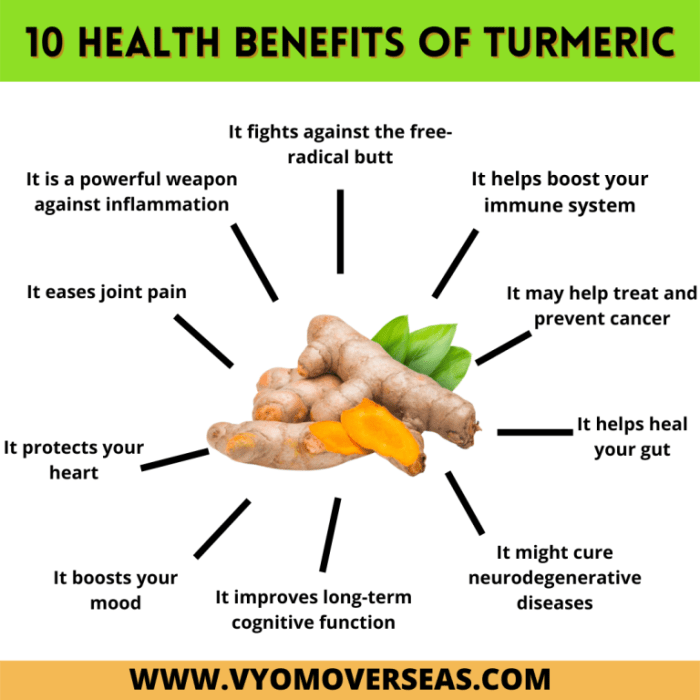
Turmeric supplements benefits extend far beyond their vibrant golden hue. This ancient spice, renowned for its culinary uses, is increasingly recognized for its potential health-promoting properties. From its role in reducing inflammation to its impact on brain health and even weight management, turmeric’s versatility makes it a compelling subject of study and a popular addition to many health-conscious individuals’ routines.
This guide delves into the science behind turmeric’s purported benefits, exploring various forms of supplementation, recommended dosages, and potential interactions, alongside practical applications and culinary tips.
We will examine the key active compound, curcumin, and its role in mediating these potential effects. We’ll also compare turmeric’s efficacy to other anti-inflammatory supplements and discuss its integration into various dietary approaches, including vegan, vegetarian, keto, and low-carb lifestyles. Safety considerations, potential side effects, and synergistic effects when combined with other superfoods will also be addressed to provide a comprehensive understanding of this multifaceted supplement.
Turmeric Supplement Overview: Turmeric Supplements Benefits
Turmeric, a vibrant spice with a long history in traditional medicine, is increasingly popular as a dietary supplement due to its purported health benefits. These benefits are largely attributed to curcumin, its primary active compound. This overview will explore the various forms of turmeric supplements available, delve into curcumin’s role, and compare turmeric to other anti-inflammatory supplements.Turmeric supplements come in a variety of forms, each offering potential advantages and disadvantages.
The choice depends on individual preferences and needs.
Forms of Turmeric Supplements
The bioavailability of curcumin, its ability to be absorbed and utilized by the body, is a key factor to consider when choosing a supplement. Different formulations aim to enhance this bioavailability.
- Capsules: These are a convenient and standardized way to consume turmeric. Capsules typically contain turmeric powder, sometimes combined with other ingredients to improve absorption, such as piperine (from black pepper).
- Powder: Turmeric powder can be added to food and drinks. This allows for flexible dosing but may not always provide consistent curcumin levels.
- Liquid Extracts: These extracts often contain higher concentrations of curcuminoids compared to powder or capsules, potentially leading to greater bioavailability. They may also include added ingredients to further enhance absorption.
Curcumin and its Role in Health Benefits, Turmeric supplements benefits
Curcumin is the primary bioactive compound responsible for turmeric’s purported health benefits. It possesses potent anti-inflammatory, antioxidant, and anti-cancer properties. Research suggests curcumin may help reduce inflammation associated with various conditions, including arthritis and inflammatory bowel disease. However, it’s crucial to note that more research is needed to fully understand the extent and mechanism of these effects.
The effectiveness of curcumin can also vary depending on the individual and the formulation of the supplement.
Comparison with Other Anti-Inflammatory Supplements
Turmeric is often compared to other anti-inflammatory supplements like ginger, boswellia, and omega-3 fatty acids. Each offers unique benefits and mechanisms of action. While turmeric is primarily known for its curcumin content, ginger also contains bioactive compounds with anti-inflammatory properties. Boswellia, an extract from a tree resin, has been traditionally used to reduce inflammation, particularly in the context of arthritis.
Omega-3 fatty acids, found in fish oil and certain plant oils, are essential fatty acids with known anti-inflammatory effects. The choice of supplement depends on individual needs and preferences, as well as the specific health condition being addressed. A healthcare professional can provide guidance on the most appropriate choice.
Potential Health Benefits of Turmeric Supplements
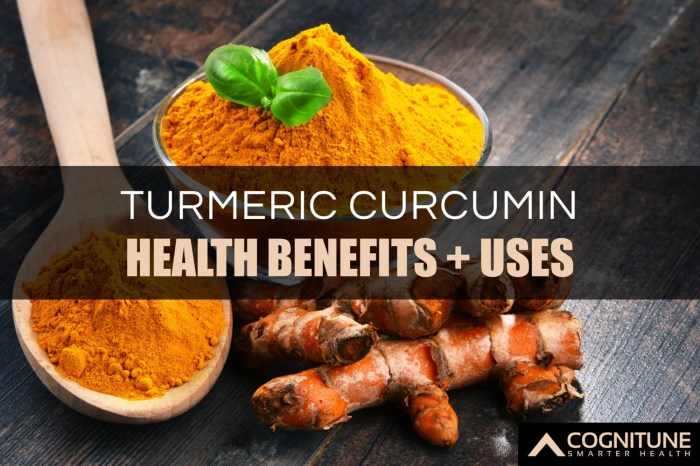
Turmeric, a vibrant spice derived from theCurcuma longa* plant, has garnered significant attention for its potential health benefits, largely attributed to its active compound, curcumin. While more research is needed to fully understand its efficacy, numerous studies suggest turmeric supplements may offer various advantages. This section will explore the evidence supporting these potential benefits across several key areas.
Turmeric’s Anti-Inflammatory Properties
Curcumin’s potent anti-inflammatory effects are a primary focus of research. It works by inhibiting the production of inflammatory molecules, such as cytokines and prostaglandins, which play a crucial role in various inflammatory diseases. Studies have shown curcumin to be as effective as some anti-inflammatory drugs in reducing inflammation in animal models and, in some human studies, demonstrating a reduction in inflammatory markers in conditions like rheumatoid arthritis.
The precise mechanisms are complex and involve multiple pathways, but the overall effect is a significant reduction in inflammatory response.
Turmeric and Joint Health
The anti-inflammatory properties of turmeric make it a promising candidate for improving joint health and managing pain associated with conditions like osteoarthritis and rheumatoid arthritis. Several studies have shown that curcumin supplementation can reduce joint pain, stiffness, and swelling. While not a replacement for conventional treatments, turmeric may offer a complementary approach to managing symptoms and potentially slowing disease progression.
The effectiveness can vary depending on factors such as dosage, the severity of the condition, and individual response.
Turmeric’s Impact on Brain Health and Cognitive Function
Emerging research suggests a potential role for turmeric in supporting brain health and cognitive function. Curcumin’s ability to cross the blood-brain barrier allows it to influence brain processes. Studies have explored its potential in improving memory, reducing the risk of neurodegenerative diseases like Alzheimer’s disease, and protecting against age-related cognitive decline. These effects are believed to be linked to curcumin’s antioxidant and anti-inflammatory properties, as well as its ability to stimulate the production of brain-derived neurotrophic factor (BDNF), a protein crucial for neuronal growth and survival.
Further research is ongoing to fully elucidate these effects and determine optimal dosages for cognitive enhancement.
Turmeric and Skin Health
Turmeric’s anti-inflammatory and antioxidant properties also extend to skin health. Topical application of turmeric has been used traditionally for wound healing and the treatment of various skin conditions. Studies suggest curcumin can help reduce inflammation associated with acne, eczema, and psoriasis. Its antioxidant properties may protect the skin from damage caused by free radicals, contributing to improved skin health and a more youthful appearance.
The effectiveness of topical turmeric varies depending on the formulation and concentration of curcumin.
Comparison of Turmeric to Other Common Supplements
| Supplement | Primary Benefit | Mechanism of Action | Potential Side Effects |
|---|---|---|---|
| Turmeric (Curcumin) | Anti-inflammatory, antioxidant, potential cognitive benefits | Inhibits inflammatory molecules, scavenges free radicals | Generally well-tolerated, but may cause mild gastrointestinal upset |
| Ginger | Anti-inflammatory, anti-nausea | Inhibits inflammatory pathways, affects neurotransmitters | May interact with blood thinners |
| Omega-3 Fatty Acids | Reduces inflammation, supports heart health | Inhibits inflammation, improves lipid profile | May increase bleeding risk |
| Vitamin D | Supports immune function, bone health | Regulates calcium absorption, influences immune cells | High doses can lead to hypercalcemia |
Dosage and Safety of Turmeric Supplements
Turmeric supplements, while generally considered safe, require careful consideration of dosage and potential interactions to maximize benefits and minimize risks. Understanding the appropriate dosage for your specific health goals, as well as potential side effects and contraindications, is crucial for safe and effective use. This section details recommended dosages, potential adverse effects, and important safety considerations for specific populations.
It’s important to remember that the information provided here is for general knowledge and should not be considered medical advice. Always consult with a healthcare professional before starting any new supplement regimen, especially if you have pre-existing health conditions or are taking other medications.
Recommended Dosages for Various Health Goals
Determining the optimal dosage of turmeric supplements depends largely on the desired health outcome and individual factors. While research is ongoing, studies suggest certain dosage ranges for specific applications. However, individual responses can vary significantly.
- Inflammation: Studies often utilize dosages ranging from 500mg to 2000mg of curcuminoids (the active compounds in turmeric) per day, often divided into multiple doses. Higher concentrations may be necessary for significant anti-inflammatory effects.
- Arthritis: Similar to inflammation, dosages for arthritis management typically fall within the 500mg to 2000mg curcuminoids per day range, often in conjunction with other therapies.
- General Wellness: Lower dosages, perhaps 250mg to 500mg of curcuminoids per day, may be sufficient for general health maintenance. This is a preventative approach, rather than treatment for a specific condition.
Note that many commercially available turmeric supplements contain varying concentrations of curcuminoids. Always check the label for the curcuminoid content, not just the total turmeric extract amount.
Potential Side Effects and Drug Interactions
Turmeric supplements are generally well-tolerated, but some individuals may experience side effects. Furthermore, interactions with certain medications are possible. It’s crucial to be aware of these possibilities.
- Side Effects: Common side effects are generally mild and include nausea, diarrhea, and stomach upset. These are often dose-related and can be mitigated by starting with a lower dose and gradually increasing it as tolerated. More rarely, allergic reactions such as skin rashes can occur.
- Drug Interactions: Turmeric can interact with certain medications, including blood thinners (such as warfarin), blood sugar medications (like metformin), and some chemotherapy drugs. The interaction mechanisms vary, but often involve effects on blood clotting or liver metabolism. It’s crucial to consult a doctor before using turmeric supplements if you are on any medication.
It is vital to discuss turmeric supplementation with your physician, especially if you have a history of bleeding disorders or are taking medications that affect blood clotting.
Safety Considerations for Pregnant or Breastfeeding Individuals
The safety of turmeric supplements during pregnancy and breastfeeding is not fully established. Limited research suggests potential risks, necessitating caution.
- Pregnancy: While some traditional uses exist, there is insufficient evidence to support the safe use of turmeric supplements during pregnancy. The potential effects on fetal development are not fully understood, and it is generally recommended to avoid turmeric supplements during pregnancy unless specifically advised by a healthcare professional.
- Breastfeeding: Similarly, data on the safety of turmeric supplements during breastfeeding is limited. Turmeric compounds can pass into breast milk, and the potential effects on the nursing infant are unclear. It’s advisable to avoid turmeric supplements while breastfeeding unless directed by a doctor.
Pregnant and breastfeeding individuals should prioritize consulting their healthcare provider before using any herbal supplements, including turmeric.
Turmeric in Recipes and Culinary Applications
Turmeric’s vibrant color and earthy flavor extend far beyond its use as a supplement. It’s a versatile spice that can enhance the taste and visual appeal of a wide array of dishes, adding both depth and a healthy boost. This section explores how to incorporate turmeric into various recipes, catering to different dietary needs and preferences.
Vegan Turmeric Lentil Soup
This hearty and flavorful soup is packed with protein and fiber, making it a perfect vegan meal. The turmeric adds a warm, earthy note and a beautiful golden hue.
Ingredients: 1 tbsp olive oil, 1 onion (chopped), 2 carrots (chopped), 2 celery stalks (chopped), 1 tsp ground turmeric, 1/2 tsp ground cumin, 1/4 tsp cayenne pepper (optional), 1 cup red lentils, 4 cups vegetable broth, salt and pepper to taste, fresh cilantro (for garnish).
Instructions: Sauté onion, carrots, and celery in olive oil until softened. Add turmeric, cumin, and cayenne pepper (if using), and cook for 1 minute more. Stir in lentils and vegetable broth. Bring to a boil, then reduce heat and simmer for 20-25 minutes, or until lentils are tender. Season with salt and pepper.
Garnish with fresh cilantro.
Nutritional Information (per serving): Approximate values will vary based on specific ingredients used. Calories: Approximately 250, Protein: Approximately 15g, Fiber: Approximately 10g.
Vegetarian Turmeric and Spinach Quiche
This quiche offers a delicious and visually appealing way to incorporate turmeric into a vegetarian diet. The turmeric subtly enhances the flavor of the spinach and eggs, creating a well-rounded and satisfying dish.
Ingredients: 1 pre-made pie crust, 1 tbsp olive oil, 1 onion (chopped), 2 cloves garlic (minced), 5 oz fresh spinach (chopped), 1 tsp ground turmeric, 1/4 tsp nutmeg, 6 eggs, 1/2 cup milk or cream, salt and pepper to taste.
Instructions: Preheat oven to 375°F (190°C). Sauté onion and garlic in olive oil until softened. Add spinach and turmeric, and cook until spinach wilts. Season with nutmeg, salt, and pepper. In a separate bowl, whisk together eggs, milk/cream, salt, and pepper.
Pour egg mixture over spinach mixture. Pour into pie crust and bake for 30-35 minutes, or until set.
Nutritional Information (per serving): Approximate values will vary based on specific ingredients used. Calories: Approximately 300, Protein: Approximately 12g, Fat: Approximately 18g.
Keto-Friendly Turmeric Chicken and Cauliflower Rice
This recipe demonstrates how turmeric can add both flavor and color to a keto-friendly meal. The turmeric complements the chicken and spices, creating a dish that is both satisfying and visually appealing.
Ingredients: 1 lb boneless, skinless chicken breasts (cubed), 1 head cauliflower (riced), 1 tbsp olive oil, 1 tsp ground turmeric, 1/2 tsp garlic powder, 1/4 tsp onion powder, salt and pepper to taste, 1/4 cup chopped cilantro (for garnish).
Instructions: Heat olive oil in a large skillet over medium-high heat. Add chicken and cook until browned. Add riced cauliflower, turmeric, garlic powder, onion powder, salt, and pepper. Cook for 5-7 minutes, or until cauliflower is tender-crisp. Garnish with cilantro.
Nutritional Information (per serving): Approximate values will vary based on specific ingredients used. Calories: Approximately 350, Protein: Approximately 35g, Fat: Approximately 15g, Carbohydrates: Approximately 5g.
Turmeric and Different Dietary Approaches
Turmeric’s adaptability makes it a valuable spice across various dietary approaches, offering potential health benefits while complementing diverse nutritional profiles. Its anti-inflammatory properties and antioxidant capacity are beneficial regardless of dietary restrictions, but specific considerations exist for optimizing its integration into different eating plans. This section will explore how turmeric fits into vegan, vegetarian, keto, and low-carb diets, offering practical tips and highlighting nutritional synergies.
Turmeric in Vegan and Vegetarian Diets
Vegan and vegetarian diets often emphasize whole plant foods, and turmeric aligns seamlessly. Its earthy flavor enhances many dishes, and its inclusion boosts the overall antioxidant and anti-inflammatory profile of the diet. The bioavailability of curcumin, turmeric’s active compound, can be enhanced by combining it with black pepper, which contains piperine, a compound that improves absorption.
Turmeric in Keto and Low-Carb Diets
While turmeric itself is low in carbohydrates, its integration into keto and low-carb diets requires mindful consideration of overall macronutrient balance. Turmeric can add flavor and depth to keto-friendly recipes, but care should be taken to avoid adding extra carbohydrates from other ingredients in the dish. Focusing on recipes that emphasize healthy fats and low-carb vegetables will ensure the spice complements the diet effectively.
Incorporating Turmeric into Meals Across Dietary Styles
The versatility of turmeric allows for easy incorporation across all four dietary styles. Here are some examples:
Vegan/Vegetarian: Add turmeric to curries, lentil soups, vegetable stir-fries, or smoothies. Combine it with other spices like cumin, coriander, and ginger for a flavorful blend. Consider using turmeric milk (golden milk) as a comforting beverage.
Keto/Low-Carb: Use turmeric to season cauliflower rice, add it to creamy keto-friendly sauces, or incorporate it into spice blends for roasted vegetables like broccoli or asparagus. Consider adding it to bone broth for an extra flavor boost.
Nutritional Benefits of Turmeric Across Diets
The following table compares the potential nutritional benefits of turmeric within different dietary approaches. Note that the actual benefits depend on individual factors like overall diet, supplement use, and individual metabolic responses. These are general observations and not specific medical claims.
| Dietary Approach | Anti-inflammatory Benefits | Antioxidant Benefits | Other Potential Benefits |
|---|---|---|---|
| Vegan/Vegetarian | Enhanced by other plant antioxidants and phytonutrients | Synergistic effects with other plant antioxidants | Supports overall nutrient density of the diet |
| Keto/Low-Carb | May help mitigate inflammation associated with high-fat diets (requires further research) | Contributes to the antioxidant profile, potentially supporting overall health | Adds flavor and nutritional complexity without significantly impacting macronutrient ratios |
Turmeric and Other Superfoods/Supplements
Turmeric’s potential health benefits are significantly enhanced when combined with other superfoods and supplements. These synergistic effects arise from the complementary actions of different bioactive compounds, leading to amplified antioxidant, anti-inflammatory, and overall health-promoting properties. Understanding these interactions can optimize the effectiveness of turmeric supplementation.The bioavailability of curcumin, turmeric’s active compound, is notably low. However, combining it with certain substances can dramatically improve its absorption and utilization by the body.
This section will explore several examples of such synergistic pairings and their potential benefits.
Synergistic Effects of Turmeric Combinations
Combining turmeric with other supplements can significantly boost its effectiveness. For instance, black pepper contains piperine, a compound that enhances the absorption of curcumin by up to 2000%. Ginger, another potent anti-inflammatory, complements turmeric’s actions, potentially leading to amplified relief from pain and inflammation. Other combinations, such as turmeric with resveratrol (found in grapes and red wine) or with vitamin C, may also offer enhanced antioxidant and anti-inflammatory effects, although more research is needed to fully elucidate these interactions.
These synergistic effects are not simply additive; the combined effect often surpasses the sum of the individual components’ effects.
Examples of Turmeric Supplement Stacks and Their Potential Benefits
Several supplement stacks incorporate turmeric to leverage its synergistic potential. One common example combines turmeric extract with black pepper extract. This combination aims to maximize curcumin absorption and bioavailability, leading to potentially improved anti-inflammatory effects and enhanced benefits for conditions like arthritis. Another example might include turmeric, ginger, and boswellia. This stack leverages the anti-inflammatory properties of all three ingredients, potentially providing broader and more comprehensive relief from inflammatory conditions.
It’s crucial to note that the specific benefits and effectiveness of these stacks can vary depending on individual factors and the specific formulations used. Always consult with a healthcare professional before starting any new supplement regimen.
Comparison of Turmeric’s Antioxidant Properties with Other Supplements
Turmeric, particularly its curcuminoid compounds, possesses significant antioxidant properties. These properties help combat oxidative stress, a contributing factor to various health problems. Compared to other popular antioxidant supplements like vitamin C and vitamin E, turmeric exhibits a different mechanism of action. While vitamin C and E primarily act as scavengers of free radicals, curcumin also modulates gene expression and cellular signaling pathways involved in inflammation and oxidative stress.
Direct comparisons of antioxidant potency are complex, as different assays and measurement methods yield varying results. However, the unique multifaceted action of curcumin suggests a potentially broader range of antioxidant effects compared to single-action antioxidants like vitamin C and E. Further research is needed to fully quantify and compare the relative antioxidant capacities of these different supplements.
In conclusion, turmeric supplements offer a compelling array of potential health benefits, backed by a growing body of research. While more extensive studies are needed to definitively confirm all purported effects, the evidence suggests turmeric’s potential to support overall well-being is significant. From managing inflammation and promoting joint health to enhancing cognitive function and supporting gut health, turmeric’s versatility makes it a valuable addition to a holistic health strategy.
Remember to consult your healthcare provider before starting any new supplement regimen, particularly if you have pre-existing conditions or are taking other medications. By understanding its properties and incorporating it wisely, you can harness the potential power of this golden spice to support your health journey.
FAQ Overview
Can I take turmeric supplements daily?
While generally safe, it’s best to follow recommended dosages. Excessive consumption may lead to mild side effects. Consult a healthcare professional for personalized advice.
Does turmeric interact with any medications?
Yes, turmeric can interact with blood thinners and certain medications. Consult your doctor before combining turmeric supplements with other medications.
Are turmeric supplements suitable for everyone?
While generally safe for most adults, pregnant or breastfeeding women, individuals with gallbladder problems, or those with bleeding disorders should consult their doctor before using turmeric supplements.
What is the best way to store turmeric supplements?
Store turmeric supplements in a cool, dry, and dark place to maintain their potency and prevent degradation.