Superfoods for Skin Health
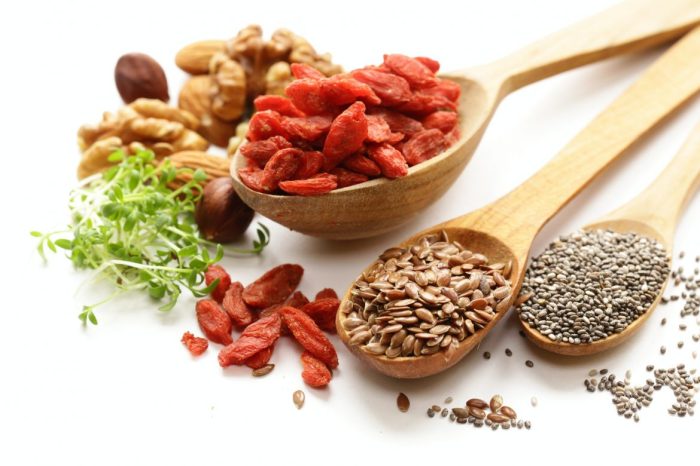
Superfoods for skin health: Unlocking radiant skin begins with what you eat. This exploration delves into the powerful connection between nutrition and complexion, revealing how strategic food choices can significantly improve skin health and overall well-being. We’ll uncover the best superfoods for glowing skin, explore dietary approaches, and discuss the role of supplements and lifestyle factors in achieving your skin goals.
From understanding the nutritional benefits of key ingredients to incorporating them into delicious, accessible recipes, this guide provides a comprehensive approach to achieving healthier, more radiant skin. We will cover various dietary plans, address common concerns, and offer practical tips for maintaining healthy skin regardless of your lifestyle or budget.
Top Superfoods for Radiant Skin
Maintaining healthy, radiant skin involves a multifaceted approach, but incorporating nutrient-rich foods into your diet plays a significant role. Many superfoods are packed with vitamins, minerals, and antioxidants that contribute to skin’s overall health and appearance, promoting a youthful glow and protecting against damage. Choosing the right foods can significantly impact skin texture, tone, and hydration levels.
Five Superfoods for Skin Health and Their Nutritional Benefits
Several superfoods stand out for their remarkable contributions to skin health. These foods offer a diverse range of nutrients that work synergistically to improve skin’s appearance and function. Understanding their individual benefits and how they interact with different skin types is crucial for maximizing their impact.
| Superfood | Key Nutrients | Skin Benefits | Suitable for Skin Types |
|---|---|---|---|
| Blueberries | Antioxidants (anthocyanins), Vitamin C, Vitamin K | Reduces inflammation, protects against sun damage, improves skin elasticity and tone. | Suitable for most skin types, particularly beneficial for aging skin and acne-prone skin due to its anti-inflammatory properties. |
| Avocados | Healthy fats (monounsaturated fatty acids), Vitamin E, Vitamin K, Potassium | Hydrates skin, improves skin barrier function, reduces wrinkles and fine lines. | Excellent for dry and mature skin due to its moisturizing properties. Can be beneficial for all skin types but may be too rich for some oily skin types. |
| Salmon | Omega-3 fatty acids, Vitamin D, Protein | Reduces inflammation, improves skin hydration, protects against sun damage, promotes collagen production. | Beneficial for all skin types, particularly those with inflammation (e.g., eczema, psoriasis). Omega-3s are known for their anti-inflammatory effects. |
| Dark Leafy Greens (Spinach, Kale) | Vitamins A, C, and K, Antioxidants, Minerals (iron, magnesium) | Protects against free radical damage, promotes collagen production, improves skin tone and texture. | Suitable for all skin types. The rich nutrient profile supports overall skin health and helps maintain a healthy glow. |
| Sweet Potatoes | Beta-carotene (converted to Vitamin A), Vitamin C, Fiber | Promotes collagen production, protects against sun damage, improves skin elasticity and hydration. | Suitable for most skin types, particularly beneficial for dry skin due to its hydrating properties. Beta-carotene is a powerful antioxidant. |
Comparison of Superfood Effects on Different Skin Types
The impact of these superfoods varies slightly depending on individual skin type. For example, while avocados are highly moisturizing and beneficial for dry skin, their richness might contribute to breakouts in some individuals with oily skin. Similarly, the anti-inflammatory properties of blueberries and salmon are particularly helpful for sensitive or acne-prone skin. However, the overall benefits of these superfoods are generally applicable across various skin types, promoting a healthy complexion and enhancing the skin’s natural radiance.
Recipes Featuring Skin-Boosting Superfoods
Incorporating superfoods into your diet doesn’t require complicated recipes or hours in the kitchen. These simple, delicious recipes showcase the versatility of skin-boosting ingredients, offering options to suit various dietary preferences. Each recipe highlights at least one superfood previously discussed, providing a tasty and effective way to nourish your skin from the inside out.
Berry Smoothie Bowl with Chia Seeds, Superfoods for skin health
This vibrant smoothie bowl is a quick and easy breakfast or snack, packed with antioxidants and healthy fats. Chia seeds are a fantastic source of omega-3 fatty acids, which contribute to skin hydration and elasticity. Berries, rich in Vitamin C, provide antioxidant protection against free radical damage.
- Ingredients: 1 cup mixed berries (strawberries, blueberries, raspberries), 1 frozen banana, ½ cup almond milk (or other milk of choice), 1 tablespoon chia seeds, Optional toppings: granola, coconut flakes, extra berries.
- Instructions: Blend all ingredients until smooth and creamy. Pour into a bowl and top with your favorite toppings. Enjoy immediately.
Avocado and Spinach Salad with Lemon Vinaigrette
This salad is a powerhouse of nutrients, combining the healthy fats of avocado with the vitamins and minerals found in spinach. Avocados are rich in Vitamin E, a powerful antioxidant that protects against sun damage. Spinach provides Vitamin A, essential for skin cell renewal. The lemon vinaigrette adds a zesty touch and contributes Vitamin C.
- Ingredients: 1 ripe avocado, diced; 5 oz baby spinach; ½ cup cherry tomatoes, halved; ¼ cup red onion, thinly sliced; 2 tablespoons lemon juice; 1 tablespoon olive oil; salt and pepper to taste.
- Instructions: Whisk together lemon juice, olive oil, salt, and pepper. Combine spinach, avocado, tomatoes, and red onion in a bowl. Drizzle with the vinaigrette and toss gently to coat. Serve immediately.
Sweet Potato and Turmeric Soup (Vegan)
This warming soup is perfect for cooler evenings and is rich in beta-carotene (converted to Vitamin A in the body) from sweet potatoes and curcumin from turmeric, both known for their anti-inflammatory properties beneficial for skin health.
- Ingredients: 1 large sweet potato, peeled and cubed; 1 tablespoon olive oil; 1 teaspoon turmeric; 1 teaspoon ginger, grated; 4 cups vegetable broth; salt and pepper to taste; Optional garnish: fresh cilantro.
- Instructions: Heat olive oil in a large pot over medium heat. Add sweet potato, turmeric, and ginger and cook for 5 minutes, stirring occasionally. Add vegetable broth, bring to a boil, then reduce heat and simmer for 15-20 minutes, or until sweet potato is tender. Season with salt and pepper. Blend until smooth (optional).
Garnish with cilantro and serve warm.
Dietary Approaches for Skin Health
Dietary choices significantly impact skin health. The nutrients we consume directly affect skin cell regeneration, hydration, and protection against environmental damage. Different dietary approaches, such as vegan, vegetarian, ketogenic, and low-carb diets, offer unique nutritional profiles that can influence skin in various ways. Understanding these effects is crucial for making informed decisions about diet and skin health.
Vegan and Vegetarian Diets and Skin Health
Plant-based diets, encompassing vegan and vegetarian approaches, often emphasize fruits, vegetables, legumes, and whole grains. These foods are rich in antioxidants, vitamins (like A, C, and E), and minerals (like zinc and selenium), all vital for healthy skin. Antioxidants combat free radical damage, a major contributor to aging and skin problems. Vitamins A, C, and E support collagen production, improving skin elasticity and reducing wrinkles.
Zinc and selenium contribute to wound healing and protect against inflammation. However, potential drawbacks include potential deficiencies in certain nutrients, such as vitamin B12 (crucial for nerve function and red blood cell production) and omega-3 fatty acids (essential for reducing inflammation), which are commonly found in animal products. Careful planning and supplementation may be necessary to mitigate these risks.
Keto and Low-Carb Diets and Skin Health
Ketogenic and low-carb diets restrict carbohydrate intake, forcing the body to burn fat for energy. This metabolic shift can lead to weight loss, which may indirectly benefit skin health by reducing the burden on the body and potentially improving conditions like acne associated with hormonal imbalances related to weight. Furthermore, some studies suggest that a reduction in inflammation, a common factor in skin conditions like eczema and psoriasis, might be observed with these diets.
However, a potential drawback is the risk of nutrient deficiencies if not carefully planned. Restricting entire food groups can lead to imbalances in essential vitamins and minerals. The initial transition to a ketogenic diet can also cause a “keto flu,” characterized by symptoms like fatigue, headache, and nausea, which can indirectly affect skin appearance due to dehydration and stress.
Moreover, a very low carbohydrate intake might negatively affect the gut microbiome, which plays a significant role in overall health and potentially skin health.
Comparison of Dietary Approaches
Vegan and vegetarian diets offer a wealth of antioxidants and vitamins directly beneficial for skin health, but careful planning is needed to avoid deficiencies. Keto and low-carb diets may indirectly improve skin health through weight loss and inflammation reduction, but careful nutrient monitoring is crucial to prevent deficiencies. Both approaches differ significantly in their macronutrient composition and therefore their impact on the body’s metabolic processes and resulting effects on skin.
For example, the high fiber content of plant-based diets promotes healthy digestion and gut health, which is linked to skin health. In contrast, keto diets can disrupt the gut microbiome due to the low fiber intake. Ultimately, the optimal dietary approach for skin health depends on individual needs, preferences, and health conditions. Consulting a registered dietitian or dermatologist is advisable before making significant dietary changes.
Supplements and Their Role in Skin Health: Superfoods For Skin Health
Maintaining healthy skin involves a multifaceted approach, encompassing diet, lifestyle, and skincare routines. While a balanced diet rich in superfoods provides essential nutrients, targeted supplementation can offer additional support for specific skin concerns. However, it’s crucial to remember that supplements are not a replacement for a healthy lifestyle and should be considered an adjunct to, not a substitute for, a comprehensive skincare plan.
Always consult with a healthcare professional before starting any new supplement regimen.
Collagen Supplements and Skin Health
Collagen is a naturally occurring protein that provides structural support to skin, hair, and nails. As we age, our body’s natural collagen production decreases, leading to visible signs of aging like wrinkles and decreased skin elasticity. Collagen supplements, often derived from bovine or marine sources, aim to replenish collagen levels and potentially improve skin appearance. While some studies suggest potential benefits, the results are not always consistent, and more research is needed to definitively establish their efficacy.
The absorption and effectiveness of collagen supplements can also vary significantly depending on factors such as the type of collagen used and individual metabolism.
- Potential Side Effects: Some individuals may experience mild gastrointestinal discomfort, such as bloating or nausea.
- Precautions: Individuals with allergies to specific collagen sources (e.g., fish, shellfish) should exercise caution. Pregnant or breastfeeding women should consult their doctor before taking collagen supplements.
Vitamin C and its Impact on Skin
Vitamin C, also known as ascorbic acid, is a potent antioxidant that plays a vital role in collagen synthesis. It protects the skin from damage caused by free radicals, which contribute to premature aging and skin problems. Vitamin C also helps to improve skin’s texture and reduce hyperpigmentation. Many topical skincare products contain vitamin C, but oral supplementation can also provide benefits.
However, the optimal dosage and effectiveness of oral vitamin C for skin health are still under investigation.
- Potential Side Effects: High doses of vitamin C can cause gastrointestinal upset, including diarrhea and nausea. In rare cases, it may also interact with certain medications.
- Precautions: Individuals with kidney stones should exercise caution, as high doses of vitamin C can increase the risk of kidney stones. Consult your doctor before taking high doses of vitamin C, especially if you have pre-existing health conditions or are taking other medications.
Hyaluronic Acid and Skin Hydration
Hyaluronic acid is a naturally occurring substance that helps to retain moisture in the skin. It’s a humectant, meaning it attracts and binds water molecules, contributing to plump, hydrated skin. Oral hyaluronic acid supplements are believed to improve skin hydration and reduce the appearance of wrinkles. While some studies show promising results, more research is needed to fully understand its efficacy and long-term effects.
The bioavailability of oral hyaluronic acid is also a factor that requires further investigation.
- Potential Side Effects: Generally well-tolerated, but some individuals may experience mild gastrointestinal discomfort.
- Precautions: Individuals with allergies to hyaluronic acid should avoid supplementation. As with any supplement, consult a healthcare professional before use, particularly if you have pre-existing health conditions or are taking other medications.
Lifestyle Factors Affecting Skin Health
Maintaining radiant skin isn’t solely about the foods we consume; our lifestyle significantly impacts its health and appearance. Factors like sleep, stress levels, exercise habits, and hydration play crucial roles in determining our skin’s overall condition. Understanding these connections allows us to make informed choices that promote healthy, glowing skin.
The Interplay of Sleep, Stress, and Skin Health
Sufficient sleep is essential for skin repair and regeneration. During sleep, our bodies produce collagen and elastin, proteins vital for maintaining skin elasticity and firmness. Lack of sleep, conversely, can lead to increased inflammation, dullness, and a greater susceptibility to breakouts. Stress, similarly, negatively affects skin health. Chronic stress elevates cortisol levels, a hormone that can break down collagen and worsen skin conditions like acne and eczema.
Effective stress management techniques, such as meditation, yoga, or spending time in nature, are crucial for mitigating these negative effects.
The Impact of Regular Exercise and Hydration
Regular exercise improves circulation, delivering oxygen and nutrients to skin cells, resulting in a healthier complexion. Increased blood flow also helps remove toxins, reducing inflammation and promoting a clearer, more radiant appearance. Furthermore, exercise can stimulate collagen production, contributing to skin firmness and elasticity. Hydration is equally vital; water is a fundamental component of skin cells, and adequate intake keeps skin plump, hydrated, and less prone to dryness, wrinkles, and other signs of aging.
Dehydration, on the other hand, can lead to dryness, dullness, and increased susceptibility to irritation.
Infographic: Lifestyle Choices and Skin Health
The infographic would be a visually appealing chart divided into four quadrants, each representing a key lifestyle factor. The central image would be a healthy, radiant face. Each quadrant would feature an icon representing the lifestyle factor (a sleeping moon for sleep, a calm person meditating for stress management, a person exercising for physical activity, and a water droplet for hydration).
Lines would connect each quadrant to the central image, illustrating the positive influence of each factor on skin health. Within each quadrant, short, impactful statements would highlight the benefits of adopting a healthy lifestyle for skin health. For example, the sleep quadrant might state: “7-8 hours of sleep: Promotes collagen production, reduces inflammation.” The stress management quadrant could say: “Manage stress: Reduces cortisol, prevents collagen breakdown.” The exercise quadrant could feature: “Regular exercise: Improves circulation, boosts collagen production.” Finally, the hydration quadrant would highlight: “Drink plenty of water: Keeps skin hydrated, reduces dryness.” The overall design would be clean, modern, and easy to understand, using a color palette that evokes feelings of health and well-being.
Additional Considerations for Specific Groups
Maintaining optimal skin health requires a holistic approach, considering individual needs and lifestyles. Certain groups, due to their unique physiological demands or activity levels, may require tailored nutritional strategies to support skin health. This section explores the specific nutritional needs of athletes, the crucial role of gut health, and the importance of optimizing nutrition for energy and focus, highlighting their impact on skin health.
Nutritional Needs of Athletes and Skin Health
Athletes, with their increased physical activity and energy expenditure, often have heightened nutritional needs. Intense training can lead to increased oxidative stress, potentially damaging skin cells and contributing to premature aging. Adequate intake of antioxidants, such as vitamins C and E, beta-carotene, and selenium, is crucial to combat this stress and protect skin integrity. Furthermore, athletes require sufficient protein for muscle repair and growth, and this protein intake also supports collagen production, essential for maintaining skin elasticity and firmness.
Hydration is also paramount; dehydration can lead to dry, dull skin, and athletes should prioritize consistent fluid intake. A balanced diet rich in fruits, vegetables, and whole grains, alongside adequate protein and hydration, is vital for supporting the skin health of athletes.
Gut Health and its Connection to Skin Condition
The gut microbiome, the complex community of microorganisms residing in the digestive tract, plays a significant role in overall health, including skin health. Emerging research strongly suggests a gut-skin axis, indicating a bidirectional communication pathway between the gut and the skin. An imbalance in the gut microbiome, known as dysbiosis, can lead to inflammation throughout the body, potentially manifesting as skin conditions like acne, eczema, and psoriasis.
Consuming a diet rich in prebiotics (foods that feed beneficial gut bacteria, such as fruits, vegetables, and whole grains) and probiotics (live beneficial bacteria found in yogurt and fermented foods) can help cultivate a healthy gut microbiome and promote skin health. Reducing processed foods, sugar, and unhealthy fats, which can disrupt gut balance, is equally important. Maintaining a healthy gut can significantly improve skin condition and reduce the severity of inflammatory skin issues.
Optimizing Nutrition for Energy and Focus: Impact on Skin Health
Adequate energy and mental focus are crucial for overall well-being and significantly influence skin health. Chronic stress, sleep deprivation, and poor energy levels can exacerbate skin problems. A balanced diet rich in complex carbohydrates, healthy fats, and lean protein provides sustained energy release, preventing energy crashes that can negatively impact skin. Foods rich in B vitamins, such as leafy greens and whole grains, support healthy nerve function and cognitive performance, reducing stress and improving sleep quality, both of which positively impact skin health.
Prioritizing regular meals and snacks, including nutrient-dense options, ensures consistent energy levels and helps prevent emotional eating, which can contribute to weight fluctuations and potential skin issues. A well-nourished body, fueled by consistent energy and focus, is better equipped to maintain healthy, radiant skin.
Ultimately, achieving radiant skin is a holistic journey encompassing mindful eating, balanced lifestyle choices, and a proactive approach to skincare. By incorporating the superfoods and strategies discussed, you can cultivate a healthy glow from within, enhancing your skin’s natural beauty and vitality. Remember, consistency and a personalized approach are key to unlocking your skin’s full potential. Embrace the power of nutrition and embark on your path to healthier, more radiant skin.
Popular Questions
Can I see results immediately after incorporating superfoods into my diet?
Results vary, but you may notice improvements in skin hydration and texture within a few weeks. Consistent consumption is key for long-term benefits.
Are there any superfoods I should avoid if I have allergies?
Yes, always check for potential allergens before incorporating new foods into your diet. If you have known allergies, consult with an allergist or doctor before making significant dietary changes.
How much water should I drink daily for optimal skin health?
Aim for at least eight glasses of water per day, adjusting based on activity level and climate. Hydration is crucial for maintaining skin elasticity and preventing dryness.