Is Intermittent Fasting Safe?
Is intermittent fasting safe? This question is paramount for anyone considering this increasingly popular dietary approach. While intermittent fasting (IF) offers potential benefits like weight loss and improved metabolic health, it’s crucial to understand the potential risks and individual considerations before embarking on this journey. This exploration delves into the safety aspects of various IF methods, addressing concerns about pre-existing health conditions and nutritional needs, and offering guidance for safe and effective implementation.
We will examine the potential downsides, such as the impact on blood sugar, the risk of nutrient deficiencies, and the possibility of side effects like headaches or fatigue. We will also compare different intermittent fasting methods, outlining their pros and cons and helping you determine which, if any, might be suitable for you. Ultimately, the goal is to empower you with the knowledge needed to make an informed decision about whether intermittent fasting is a safe and appropriate choice for your individual circumstances.
Keto and Low-Carb Diets (in context of intermittent fasting)
Combining a ketogenic or low-carb diet with intermittent fasting can be a powerful strategy for weight loss and improved metabolic health for some individuals. However, it’s crucial to understand both the potential benefits and risks before embarking on this approach. The restrictive nature of both diets necessitates careful planning and monitoring to avoid nutritional deficiencies and adverse health effects.The synergistic effect of these two approaches lies in their impact on insulin levels and blood glucose regulation.
Intermittent fasting naturally lowers insulin, while a ketogenic diet minimizes carbohydrate intake, further reducing insulin spikes. This combination can lead to increased fat burning and potential weight loss. However, the restrictive nature also increases the risk of nutrient deficiencies if not carefully managed.
Potential Benefits and Risks of Combining Keto/Low-Carb Diets with Intermittent Fasting
Combining keto and intermittent fasting can lead to significant weight loss in some individuals due to the synergistic effects of reduced insulin and increased fat burning. Improved blood sugar control and reduced inflammation are also frequently reported benefits. However, risks include nutrient deficiencies (particularly vitamins and minerals), digestive issues like constipation, and the potential for the keto flu, characterized by headaches, fatigue, and nausea.
Furthermore, this combination may not be suitable for everyone, particularly those with certain medical conditions. Careful monitoring and consultation with a healthcare professional are essential.
Keto/Low-Carb Recipes Suitable for Intermittent Fasting
The following recipes are examples of keto-friendly meals suitable for consumption during your eating window:
- Avocado and Egg Salad: Mashed avocado combined with hard-boiled eggs, salt, pepper, and a squeeze of lemon juice. This provides healthy fats and protein.
- Salmon with Asparagus: Baked or pan-fried salmon served with roasted asparagus. A good source of omega-3 fatty acids and essential nutrients.
- Chicken and Vegetable Stir-fry: Chicken breast stir-fried with low-carb vegetables like broccoli, cauliflower, and spinach, seasoned with coconut aminos or other low-carb sauces.
- Chia Seed Pudding (made with unsweetened almond milk): Chia seeds soaked in unsweetened almond milk overnight, providing fiber and healthy fats. Add berries during your eating window for sweetness and antioxidants.
Managing Keto Flu Symptoms While Practicing Intermittent Fasting
The “keto flu” is a common side effect of starting a ketogenic diet, often exacerbated by intermittent fasting. Symptoms include headaches, fatigue, nausea, and constipation. Strategies for managing these symptoms include:
- Increased electrolyte intake: Focus on sodium, potassium, and magnesium. Electrolyte supplements can be helpful, but natural sources like bone broth are also beneficial.
- Gradual transition: Don’t jump into both keto and intermittent fasting simultaneously. Start with one and gradually incorporate the other.
- Hydration: Drink plenty of water throughout the day.
- High-quality sleep: Aim for 7-9 hours of sleep per night to support your body’s adaptation.
Maintaining Electrolyte Balance While Following a Keto/Low-Carb Intermittent Fasting Plan
Maintaining electrolyte balance is crucial when combining keto and intermittent fasting. Electrolytes like sodium, potassium, and magnesium are lost more readily during keto adaptation and fasting. Strategies for maintaining balance include:
- Consume electrolyte-rich foods: Bone broth, leafy greens, avocados, and coconut water are good sources.
- Use electrolyte supplements: Consult a healthcare professional to determine the appropriate dosage.
- Monitor urine color: Dark urine can indicate dehydration and electrolyte imbalance.
- Listen to your body: Pay attention to symptoms like muscle cramps or fatigue, which can indicate electrolyte deficiencies.
Healthy Fats Suitable for Keto/Low-Carb Intermittent Fasting
Healthy fats are a cornerstone of the ketogenic diet. Prioritizing these fats during your eating window is essential.
- Avocado
- Olive oil
- Coconut oil
- Nuts (macadamia, almonds, walnuts)
- Seeds (chia, flax, hemp)
- Fatty fish (salmon, mackerel, sardines)
- Butter (grass-fed preferred)
Superfoods and Supplements (in context of intermittent fasting)
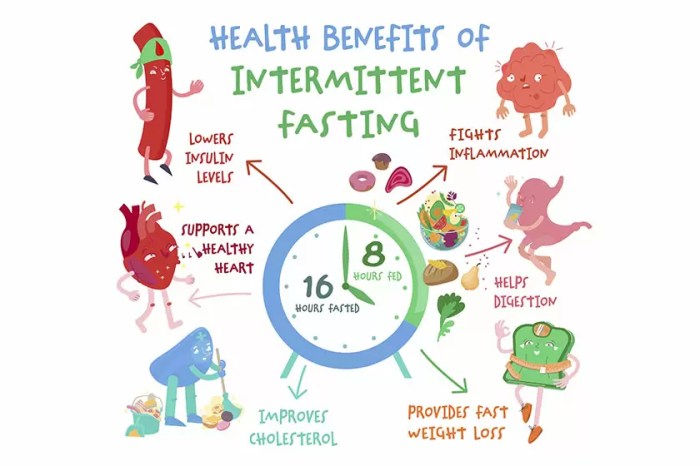
Intermittent fasting (IF) is a dietary pattern that cycles between periods of eating and voluntary fasting on a regular schedule. While IF itself doesn’t necessitate the use of superfoods or supplements, some individuals believe that incorporating these can enhance the benefits or mitigate potential drawbacks of IF. It’s crucial, however, to approach this with caution and informed decision-making, as the evidence supporting many claims is limited or inconclusive.The potential benefits of incorporating specific superfoods and supplements during intermittent fasting periods are often linked to their antioxidant, anti-inflammatory, or nutrient-dense properties.
These may potentially support overall health and well-being, particularly during periods of caloric restriction. However, it is important to note that many of these benefits are not definitively proven in the context of intermittent fasting and should not be considered a substitute for a balanced diet and regular exercise.
Potential Benefits and Risks of Superfoods and Supplements During Intermittent Fasting
The purported benefits of certain superfoods and supplements during IF often center on improved energy levels, enhanced nutrient absorption during eating windows, and support for gut health. However, risks exist, including potential interactions with medications, allergic reactions, and the possibility of nutrient imbalances if supplements are not carefully chosen and integrated into a balanced diet. Over-reliance on supplements can also lead to neglecting the importance of obtaining nutrients from whole foods.
Examples of Beneficial Superfoods and Supplements
Several superfoods and supplements are often suggested for use during intermittent fasting. These include foods rich in antioxidants like berries (blueberries, raspberries, strawberries), leafy greens (spinach, kale), and cruciferous vegetables (broccoli, cauliflower). Supplements frequently mentioned include probiotics for gut health, omega-3 fatty acids for reducing inflammation, and electrolytes to combat potential mineral deficiencies during fasting periods. However, individual responses to these may vary.
Safe Incorporation of Superfoods and Supplements into an Intermittent Fasting Plan
Integrating superfoods and supplements into an IF plan requires careful consideration. It’s vital to consume these during the eating window to avoid any potential interference with the fasting process. It is recommended to focus on whole foods, rich in nutrients, rather than solely relying on supplements. If choosing supplements, start with low doses and monitor for any adverse effects.
Always consult with a healthcare professional or registered dietitian before adding any supplements, especially if you have pre-existing health conditions or are taking medication.
Choosing High-Quality Superfoods and Supplements
Selecting high-quality superfoods and supplements is paramount. Look for products that are certified organic, minimally processed, and sourced from reputable suppliers. Check for third-party testing verification to ensure purity and potency. Be wary of exaggerated claims and consult reliable sources like peer-reviewed scientific literature and credible health organizations for information.
Superfoods and Supplements: Benefits and Potential Side Effects
| Superfood/Supplement | Potential Benefits | Potential Side Effects | Notes |
|---|---|---|---|
| Berries (Blueberries, Raspberries) | Rich in antioxidants, may improve cognitive function | Potential for allergic reactions in some individuals | Consume during eating window |
| Leafy Greens (Spinach, Kale) | High in vitamins and minerals, supports gut health | May interfere with certain medications (e.g., blood thinners) | Portion appropriately to avoid digestive discomfort |
| Probiotics | May improve gut health and digestion | Potential for gas or bloating, especially when starting | Choose strains with documented efficacy |
| Omega-3 Fatty Acids | May reduce inflammation, support heart health | Potential for increased bleeding risk, interactions with blood thinners | Consult with a doctor before use, especially if on medication |
| Electrolytes (Magnesium, Potassium) | May help prevent electrolyte imbalances during fasting | Potential for diarrhea or other digestive issues if taken in excessive amounts | Follow recommended dosages carefully |
Intermittent Fasting Guides (creating one)
Creating a comprehensive guide to intermittent fasting (IF) requires a structured approach, covering various methods, potential benefits, risks, and practical implementation strategies. This guide aims to provide a clear understanding of IF, empowering individuals to make informed decisions about its suitability for their lifestyle and health goals.
Intermittent Fasting Methods
Several intermittent fasting methods exist, each differing in the eating window and fasting period. Choosing the right method depends on individual preferences, lifestyle, and health status. Understanding these variations is crucial for successful implementation.
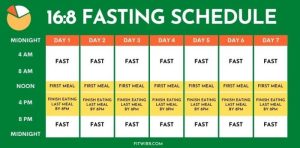
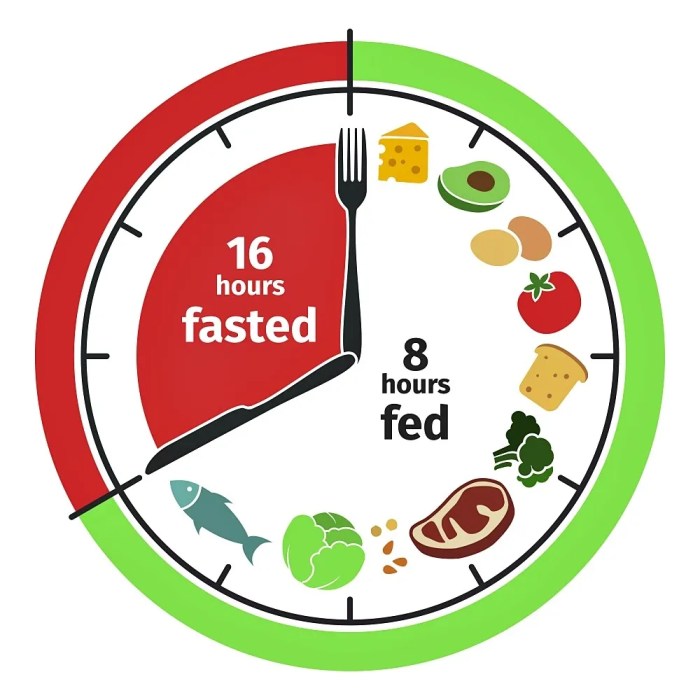
- Time-Restricted Feeding (TRF): This involves consuming all meals within a specific time window each day, typically 6-8 hours, followed by a 16-18 hour fasting period.
- Alternate-Day Fasting (ADF): This involves consuming normal calories on one day and significantly restricting calories or fasting completely on the alternate day.
- 5:2 Diet: This method involves eating normally for five days a week and restricting calories to 500-600 on two non-consecutive days.
- Eat Stop Eat: This involves a 24-hour fast once or twice a week.
Potential Benefits of Intermittent Fasting
While research is ongoing, numerous studies suggest potential benefits associated with intermittent fasting. These benefits are often linked to improved metabolic health and weight management.
- Weight Loss: IF can promote calorie restriction, leading to weight loss. Studies have shown that IF can be effective in reducing body weight and body fat percentage.
- Improved Insulin Sensitivity: IF may enhance insulin sensitivity, improving the body’s ability to regulate blood sugar levels. This can be particularly beneficial for individuals with insulin resistance or type 2 diabetes.
- Cellular Repair: Fasting periods may trigger cellular repair processes, such as autophagy, which helps remove damaged cells and improve overall cellular health.
- Reduced Inflammation: Some studies suggest that IF may help reduce inflammation in the body, potentially benefiting individuals with chronic inflammatory conditions.
Risks and Potential Side Effects of Intermittent Fasting
While generally safe for healthy individuals, intermittent fasting can carry potential risks and side effects, particularly if not implemented correctly. Careful consideration and monitoring are essential.
- Nutrient Deficiencies: Improperly planned IF can lead to nutrient deficiencies if not combined with a balanced diet.
- Headaches and Fatigue: Initial side effects may include headaches, fatigue, and dizziness, which usually subside as the body adapts.
- Muscle Loss: Prolonged or improperly managed IF can potentially lead to muscle loss if not combined with adequate protein intake and exercise.
- Unfavorable for certain health conditions: Individuals with certain health conditions, such as eating disorders, pregnancy, breastfeeding, or those taking specific medications, should consult a healthcare professional before starting IF.
Starting Intermittent Fasting Safely and Gradually
Beginning intermittent fasting requires a gradual approach to minimize potential side effects and allow the body to adapt.
Begin with a shorter fasting window, such as 12 hours, and gradually increase the duration as tolerated.
- Hydration: Drink plenty of water, unsweetened tea, or black coffee during fasting periods.
- Listen to your body: Pay attention to hunger cues and adjust your fasting schedule accordingly. Don’t push yourself too hard, especially in the beginning.
- Prioritize nutrient-dense foods: During your eating window, focus on consuming whole, unprocessed foods to maximize nutrient intake.
- Gradual transition: Don’t drastically change your eating habits overnight. Start slowly and gradually increase the fasting duration.
Overcoming Common Challenges
Several common challenges may arise during intermittent fasting. Addressing these challenges proactively can contribute to long-term success.
- Hunger pangs: Distract yourself with activities, drink plenty of water, and focus on the benefits of fasting.
- Fatigue: Ensure adequate sleep, stay hydrated, and gradually increase the fasting duration.
- Social situations: Plan ahead and communicate your fasting schedule to avoid difficult social situations.
- Lack of energy: Adjust your workout intensity and timing, and ensure adequate nutrient intake during your eating window.
Resources for Further Learning
Several reliable resources provide further information on intermittent fasting. Consulting these resources can enhance understanding and support successful implementation.
- Registered dietitians or nutritionists: Consult a healthcare professional for personalized guidance.
- Peer-reviewed scientific studies: Search for studies on PubMed or other reputable databases.
- Reputable books and websites: Seek information from trusted sources focused on health and nutrition.
Gut Health and Nutrition (in context of intermittent fasting)
Intermittent fasting (IF) can significantly impact gut health, both positively and negatively. While some studies suggest benefits like improved gut microbiome diversity and reduced inflammation, others raise concerns about potential disruptions to the gut’s delicate ecosystem. The key lies in understanding how IF affects the gut and implementing strategies to mitigate any negative effects. A balanced approach that prioritizes nutrient-rich foods during eating windows is crucial.Intermittent fasting’s effects on the gut microbiome are complex and not fully understood.
The fasting periods can lead to changes in gut bacterial composition and activity. Some beneficial bacteria may thrive during fasting, while others may be negatively impacted. This shift can influence various aspects of health, including digestion, immunity, and even mood. The impact, however, is highly individualized and depends on factors such as the specific IF protocol followed, the individual’s baseline gut health, and their overall diet.
Impact of Intermittent Fasting on Gut Health
The impact of intermittent fasting on the gut microbiome is a dynamic process. During fasting periods, the gut microbiome undergoes metabolic shifts, potentially leading to alterations in the abundance and activity of various bacterial species. Some research suggests that short-term fasting can promote the growth of beneficial bacteria, such as those involved in butyrate production (butyrate is a short-chain fatty acid known for its anti-inflammatory properties).
Conversely, prolonged or improperly managed fasting could lead to a decrease in beneficial bacteria and an increase in potentially harmful ones. This highlights the importance of a well-planned approach to intermittent fasting. Maintaining a diverse and balanced microbiome during IF is key to maximizing the benefits and minimizing potential risks.
Supporting Gut Health During Intermittent Fasting
Maintaining a healthy gut microbiome during intermittent fasting requires a mindful approach to nutrition. Focusing on nutrient-dense foods during your eating windows is crucial. These foods should be rich in fiber, prebiotics, and probiotics, supporting the growth of beneficial gut bacteria. Avoiding processed foods, excessive sugar, and unhealthy fats during your eating periods is also essential. Adequate hydration throughout the day is also vital, as dehydration can negatively impact gut function.
Maintaining a Healthy Gut Microbiome During Intermittent Fasting
A diverse gut microbiome is essential for optimal health. During intermittent fasting, prioritizing foods that promote this diversity is key. This includes consuming a wide variety of fruits, vegetables, and whole grains. These foods provide a diverse range of nutrients and fibers that feed a broad spectrum of beneficial bacteria. Regular bowel movements are a good indicator of a healthy gut; if constipation occurs, adjust your fiber intake and hydration levels accordingly.
Consider incorporating foods rich in polyphenols, such as berries and dark chocolate (in moderation), as these compounds have been shown to support gut health. Finally, managing stress levels is important as chronic stress can negatively impact gut health.
Foods that Promote Gut Health During Intermittent Fasting
During your eating windows, prioritize nutrient-rich foods known for their positive impact on gut health. Examples include:* Leafy green vegetables (kale, spinach, collard greens)
- Cruciferous vegetables (broccoli, cauliflower, Brussels sprouts)
- Fermented foods (yogurt, kefir, sauerkraut, kimchi)
- Fruits (berries, apples, bananas)
- Whole grains (oats, quinoa, brown rice)
- Legumes (lentils, beans, chickpeas)
These foods provide a rich source of fiber, vitamins, and minerals, supporting a healthy and diverse gut microbiome.
Prebiotics and Probiotics Beneficial During Intermittent Fasting
Prebiotics and probiotics can play a significant role in supporting gut health during intermittent fasting. Prebiotics act as food for beneficial bacteria, while probiotics introduce beneficial bacteria directly into the gut. Consider incorporating these into your diet:
- Prebiotics:
- Inulin (found in chicory root, onions, garlic)
- Fructooligosaccharides (FOS) (found in bananas, onions, garlic)
- Resistant starch (found in cooked and cooled potatoes, green bananas)
- Probiotics:
- Lactobacillus species (found in yogurt, kefir)
- Bifidobacterium species (found in yogurt, kefir, and some supplements)
- Saccharomyces boulardii (a yeast, available as a supplement)
Remember to consult with a healthcare professional before starting any new supplement regimen. The best approach is to prioritize whole foods rich in prebiotics and probiotics.
Eating for Energy and Focus (in context of intermittent fasting)
Maintaining energy and focus while intermittent fasting requires a strategic approach to nutrition. The key lies in understanding the relationship between fasting, blood sugar regulation, and cognitive function. By making informed food choices during your eating window, you can minimize energy crashes and brain fog, maximizing the benefits of intermittent fasting.
Blood Sugar Regulation and Cognitive Function
Intermittent fasting influences blood sugar levels, which directly impacts energy and cognitive performance. During fasting periods, your body shifts from utilizing glucose to burning stored fat for energy. This metabolic switch can initially lead to lower blood sugar, potentially causing fatigue and difficulty concentrating if not managed properly. However, consistent intermittent fasting can improve insulin sensitivity, leading to more stable blood sugar levels over time and enhancing cognitive function.
The improved insulin sensitivity translates to better glucose uptake by cells, preventing blood sugar spikes and crashes. This results in sustained energy levels and sharper mental clarity throughout the day.
Preventing Energy Crashes and Brain Fog
Several strategies can help prevent energy crashes and brain fog during intermittent fasting. Prioritizing nutrient-dense foods during your eating window is crucial. These foods provide sustained energy release, preventing the rapid spikes and subsequent drops in blood sugar associated with refined carbohydrates and sugary snacks. Furthermore, adequate hydration is essential. Dehydration can exacerbate fatigue and cognitive impairment.
Finally, getting sufficient sleep and managing stress levels plays a significant role in overall energy and focus, regardless of dietary choices. Consistent sleep patterns and stress-reduction techniques such as meditation or yoga can significantly improve mental clarity.
Foods that Promote Energy and Focus
Consuming foods rich in healthy fats, protein, and complex carbohydrates during your eating window is essential for sustained energy and focus. Healthy fats provide a slow and steady energy source, while protein supports satiety and helps regulate blood sugar. Complex carbohydrates offer sustained energy release compared to simple sugars. Avoiding processed foods, sugary drinks, and excessive caffeine is also important to prevent energy fluctuations.
Foods Supporting Energy and Focus
| Food | Nutritional Benefits | Energy Source | Cognitive Enhancement |
|---|---|---|---|
| Eggs | High in protein, choline (supports brain health) | Sustained energy release from protein | Improved memory and cognitive function |
| Avocado | Healthy fats, fiber | Slow and steady energy release from healthy fats | Supports brain function through healthy fats |
| Salmon | Omega-3 fatty acids, protein | Sustained energy from protein and healthy fats | Reduces inflammation, supports brain health |
| Nuts (almonds, walnuts) | Healthy fats, protein, fiber | Sustained energy release from healthy fats and protein | Improved cognitive function, supports brain health |
| Berries (blueberries, raspberries) | Antioxidants, fiber | Sustained energy release from fiber | Improved memory and cognitive function due to antioxidants |
| Leafy Greens (Spinach, Kale) | Vitamins, minerals, fiber | Sustained energy from fiber | Supports overall health and cognitive function |
Healthy Eating on a Budget (in context of intermittent fasting)
Intermittent fasting doesn’t necessitate expensive ingredients or exotic foods. In fact, healthy eating on a budget is entirely achievable while practicing intermittent fasting, often requiring more mindful planning than significant financial outlay. Focusing on whole, unprocessed foods and smart shopping strategies can make this a sustainable and affordable lifestyle choice.
Affordable, Nutrient-Dense Meals for Intermittent Fasting
Budget-friendly eating during intermittent fasting hinges on selecting nutrient-dense foods that are naturally filling and satisfying. Prioritizing these foods helps you feel full during your eating window, preventing overspending on less nutritious options.
Examples of affordable, nutrient-dense meals include:
- Lentils and vegetables: A hearty lentil soup or stew packed with carrots, celery, and onions is both cheap and incredibly filling. A large batch can provide several meals throughout the week.
- Beans and rice: A classic combination offering substantial protein and carbohydrates. Black beans, kidney beans, or pinto beans are all budget-friendly options.
- Eggs: Eggs are a fantastic source of protein and essential nutrients. Scrambled eggs with spinach, a simple omelet, or hard-boiled eggs are quick and inexpensive meal options.
- Chicken breast: While not the cheapest protein source, chicken breast can be purchased in bulk and used in various ways (salads, stir-fries, soups) to maximize value.
- Oats: Oatmeal is a very affordable and versatile breakfast (or dinner) option. Add fruits, nuts (in moderation), or seeds for added nutrients.
Strategies for Reducing Food Waste
Minimizing food waste is crucial for budget-conscious intermittent fasting. Careful planning and smart storage techniques can significantly reduce expenses.
Effective strategies include:
- Meal planning: Creating a weekly meal plan ensures you buy only what you need, reducing the chance of food spoiling.
- Proper storage: Store food correctly to extend its shelf life. Use airtight containers and refrigerate or freeze leftovers promptly.
- Creative repurposing: Use leftover ingredients in different meals. For example, leftover chicken can be added to salads or soups.
- Freezing: Freeze extra portions of meals to enjoy later, preventing spoilage and saving time on future meal preparation.
Efficient Meal Planning to Save Money and Time
Efficient meal planning is essential for both budget and time management. By strategically planning your meals, you can optimize your grocery shopping and cooking time.
Key aspects of efficient meal planning:
- Batch cooking: Prepare large batches of meals on the weekend to have ready-to-eat options throughout the week.
- Utilizing leftovers: Transform leftovers into new meals to avoid waste and save time on cooking.
- Simple recipes: Choose recipes with minimal ingredients and steps to save time and money.
- Grocery list adherence: Stick to your grocery list to avoid impulse purchases.
Sample Weekly Meal Plan (Budget-Friendly Intermittent Fasting)
This sample plan focuses on affordability and ease of preparation. Remember to adjust portion sizes to your individual caloric needs and fasting schedule.
The following meal plan provides balanced nutrition while adhering to a budget and an intermittent fasting schedule (e.g., 16/8 method):
- Monday: Breakfast (within eating window): Oatmeal with berries and nuts; Dinner: Lentil soup with whole-wheat bread.
- Tuesday: Breakfast (within eating window): Scrambled eggs with spinach; Dinner: Chicken and vegetable stir-fry (using frozen vegetables).
- Wednesday: Breakfast (within eating window): Greek yogurt with fruit; Dinner: Bean and rice burrito bowls.
- Thursday: Breakfast (within eating window): Leftover lentil soup; Dinner: Chicken salad sandwich on whole-wheat bread.
- Friday: Breakfast (within eating window): Hard-boiled eggs and a small apple; Dinner: Leftover chicken and vegetable stir-fry.
- Saturday: Breakfast (within eating window): Oatmeal with banana; Dinner: Large salad with chickpeas and a simple vinaigrette.
- Sunday: Breakfast (within eating window): Leftover bean and rice burrito bowl; Dinner: Simple pasta with tomato sauce and vegetables.
Weight Management Diets (in context of intermittent fasting): Is Intermittent Fasting Safe?
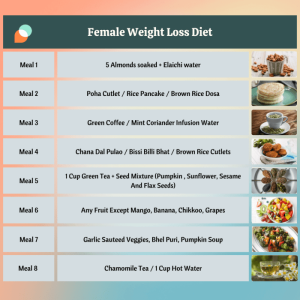
Intermittent fasting (IF) has gained significant popularity as a weight management strategy. Its effectiveness stems from its ability to create a calorie deficit, a fundamental principle of weight loss. By restricting eating windows, IF naturally limits overall caloric intake, leading to potential weight reduction. However, it’s crucial to understand that IF is not a magic bullet and its success depends on several factors, including the chosen IF protocol, individual metabolism, and overall dietary choices.
Intermittent Fasting’s Role in Weight Management
Intermittent fasting works primarily by influencing hormonal changes that promote fat burning. During fasting periods, the body shifts from utilizing glucose as its primary energy source to burning stored fat. This metabolic switch is driven by hormonal fluctuations, including increased levels of growth hormone and reduced levels of insulin. Furthermore, studies suggest that IF may also influence appetite regulation, potentially leading to reduced food intake overall.
It’s important to note that while IF can be effective for weight loss, it’s most effective when combined with a balanced diet and regular exercise. Unsustainable or poorly planned IF can lead to negative health consequences.
Comparison of Intermittent Fasting with Other Weight Loss Diets
Intermittent fasting differs from other weight loss diets in its approach. Unlike diets that focus on specific food restrictions (like low-carb or ketogenic diets), IF primarily regulates
- when* you eat, not
- what* you eat. While some people combine IF with specific dietary approaches (like keto), IF can theoretically be implemented with various dietary patterns. This flexibility can be an advantage, allowing individuals to adapt IF to their preferences and needs. However, this flexibility also requires careful planning to ensure a balanced nutrient intake. Other diets, such as calorie restriction diets, focus directly on reducing overall calorie intake regardless of eating timing.
This direct approach can be more predictable in terms of weight loss but might be more difficult to sustain long-term due to hunger and cravings.
Combining Intermittent Fasting with Exercise for Optimal Weight Management
Combining intermittent fasting with regular exercise significantly enhances its effectiveness for weight management. Exercise increases calorie expenditure, further contributing to the calorie deficit created by IF. Moreover, exercise improves overall metabolic health, making the body more efficient at burning fat. The type of exercise is less crucial than consistency. Regular cardiovascular activities like running, swimming, or cycling, combined with strength training, are highly beneficial.
It’s essential to listen to your body and adjust the intensity and duration of exercise based on your fitness level and fasting schedule. Starting slowly and gradually increasing the intensity and duration is recommended, especially when beginning an IF protocol.
Holistic Approach to Weight Management
A holistic approach to weight management emphasizes the interconnectedness of diet, exercise, and lifestyle factors. While IF can be a valuable tool, it’s only one piece of the puzzle. Adequate sleep, stress management, and hydration are equally important for overall health and weight management. Stress can disrupt hormonal balance, impacting weight regulation, while lack of sleep can lead to increased appetite and cravings.
Prioritizing these lifestyle factors alongside IF and exercise creates a more sustainable and effective weight management strategy.
Comparison of Weight Loss Diet Effectiveness, Is intermittent fasting safe?
| Diet Type | Weight Loss Effectiveness | Sustainability | Potential Side Effects |
|---|---|---|---|
| Intermittent Fasting | Moderate to High (dependent on adherence and dietary choices) | Moderate (can be challenging for some) | Hunger, fatigue, headaches (initially) |
| Calorie Restriction | High (dependent on adherence) | Low (often difficult to maintain long-term) | Nutrient deficiencies, muscle loss, fatigue |
| Ketogenic Diet | High (initially), then variable | Moderate (can be restrictive and challenging) | “Keto flu,” nutrient deficiencies, constipation |
| Mediterranean Diet | Moderate | High (easy to adapt to long-term lifestyle) | Few, if any, significant side effects |
In conclusion, while intermittent fasting holds promise for various health improvements, its safety is contingent upon individual health status and careful planning. Understanding potential risks, addressing nutritional needs, and tailoring the approach to your lifestyle are key to mitigating potential downsides. This exploration aimed to provide a balanced perspective, highlighting both the potential benefits and drawbacks, to help you navigate the complexities of intermittent fasting and make informed choices aligned with your well-being.
FAQ Explained
Can I exercise while intermittent fasting?
Yes, but adjust your workout intensity and timing based on your fasting schedule. Ensure adequate hydration and fuel your workouts appropriately within your eating window.
Is intermittent fasting suitable for everyone?
No, individuals with certain health conditions (diabetes, eating disorders, etc.) should consult a doctor before starting intermittent fasting.
What if I experience negative side effects?
If you experience severe side effects like dizziness or fainting, stop immediately and consult a healthcare professional.
How long should I try intermittent fasting before seeing results?
Results vary, but many people see changes in weight or energy levels within a few weeks. Consistency is key.
Can I drink anything during my fasting period?
Generally, water, black coffee, and unsweetened tea are acceptable. Avoid sugary drinks or anything with calories.