How to Start Intermittent Fasting
How to start intermittent fasting? This seemingly simple question opens a door to a world of potential health benefits and lifestyle changes. Understanding the various methods, from the popular 16/8 approach to the 5:2 diet, is crucial for finding a plan that aligns with your individual needs and goals. This guide provides a comprehensive overview of intermittent fasting, addressing common concerns and offering practical strategies to make this dietary approach sustainable and effective.
Successfully integrating intermittent fasting into your life requires careful planning and a deep understanding of your body’s responses. We’ll explore how to manage hunger, optimize your nutrient intake, and adjust your fasting schedule to accommodate your lifestyle and social commitments. We’ll also delve into the potential benefits and risks, emphasizing the importance of consulting a healthcare professional before embarking on this journey.
This comprehensive guide will equip you with the knowledge and tools to confidently navigate the world of intermittent fasting.
Understanding Intermittent Fasting (IF)
Intermittent fasting (IF) is an eating pattern that cycles between periods of eating and voluntary fasting on a regular schedule. Unlike traditional diets that focus on
- what* you eat, IF focuses on
- when* you eat. It’s important to understand that IF isn’t a diet in the traditional sense; it’s a way of scheduling your eating, and the types of foods consumed during your eating window remain important for overall health.
Intermittent Fasting Methods
Several different methods of intermittent fasting exist, each with its own approach to scheduling eating and fasting periods. Choosing the right method depends on individual preferences, lifestyles, and health goals. Consistency is key, regardless of the chosen method.
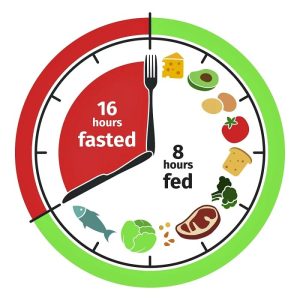
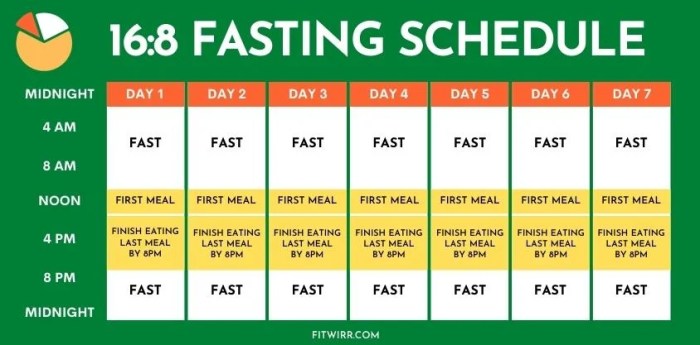
- 16/8 Method (Leangains Protocol): This popular method involves fasting for 16 hours each day and consuming all meals within an 8-hour window. For example, you might eat between noon and 8 PM, fasting from 8 PM to noon the following day. This method is relatively easy to adapt to and is a good starting point for beginners.
- 5:2 Diet: This method involves eating normally for five days of the week and restricting calorie intake to around 500-600 calories on two non-consecutive days. The two fasting days can be chosen to fit individual schedules. This method requires careful planning and monitoring of calorie intake.
- Alternate-Day Fasting: This method involves fasting every other day. On fasting days, calorie intake is severely restricted, while on non-fasting days, individuals can eat normally. This method is more challenging and requires careful consideration of potential health implications.
Potential Benefits of Intermittent Fasting
Research suggests that intermittent fasting may offer several potential health benefits, including weight loss, improved insulin sensitivity, and potential benefits for heart health. It’s crucial to remember that these benefits are often observed in conjunction with a healthy diet and lifestyle.
- Weight Management: By reducing the overall daily caloric intake, IF can contribute to weight loss. Studies have shown a correlation between IF and reduced body weight and body fat percentage.
- Improved Insulin Sensitivity: IF may improve how the body uses insulin, which is crucial for managing blood sugar levels and reducing the risk of type 2 diabetes. This effect is likely linked to the body’s metabolic adaptations during fasting periods.
- Potential Cardiovascular Benefits: Some studies suggest that IF may improve certain cardiovascular risk factors, such as blood pressure and cholesterol levels. However, more research is needed to confirm these benefits definitively.
Potential Risks of Intermittent Fasting
While IF offers potential benefits, it’s essential to be aware of the potential risks, especially for certain individuals. These risks can be mitigated through careful planning and monitoring.
- Nutrient Deficiencies: If not planned properly, IF can lead to nutrient deficiencies if not accompanied by a balanced diet during eating windows. Careful consideration of nutrient intake is crucial.
- Headaches, Dizziness, and Fatigue: Initial side effects such as headaches, dizziness, and fatigue are common during the adjustment period. These typically subside as the body adapts.
- Unsuitability for Certain Individuals: IF is not suitable for everyone, particularly pregnant or breastfeeding women, individuals with certain medical conditions (e.g., eating disorders, diabetes), and those taking specific medications. Consultation with a healthcare professional is crucial before starting IF.
Comparing Intermittent Fasting Methods
The suitability of different IF methods varies significantly depending on individual lifestyles and preferences. The 16/8 method, for instance, is generally considered easier to adapt to than alternate-day fasting. The 5:2 diet offers flexibility but requires careful calorie tracking. The best approach involves considering individual needs and gradually progressing to more challenging methods.
Step-by-Step Guide to Starting Intermittent Fasting
Beginners should adopt a gradual approach to minimize the risk of adverse effects.
- Consult Your Doctor: Before starting any new diet, including IF, it is crucial to consult your doctor, especially if you have any underlying health conditions or are taking medication.
- Choose a Method: Start with a beginner-friendly method, such as the 16/8 method. This allows for a smoother transition and reduces the risk of side effects.
- Gradual Implementation: Don’t jump straight into a strict fasting schedule. Start by gradually extending your fasting window over several weeks. For example, begin with a 12-hour fast and slowly increase it to 14, then 16 hours.
- Hydration: Drink plenty of water, unsweetened tea, or black coffee during your fasting periods. Staying hydrated helps to manage hunger and energy levels.
- Listen to Your Body: Pay attention to how your body responds to IF. If you experience any adverse effects, reduce the fasting window or discontinue IF and consult your doctor.
- Focus on Nutrient-Dense Foods: During your eating window, focus on consuming nutrient-rich foods to ensure you’re meeting your daily nutritional requirements.
Preparing for Intermittent Fasting: How To Start Intermittent Fasting
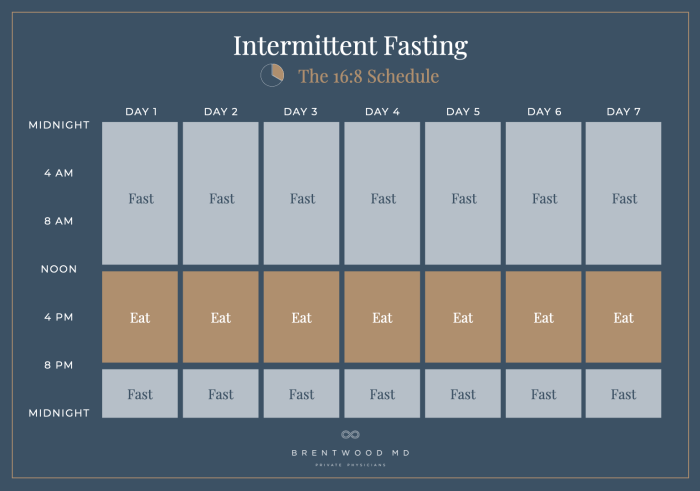
Embarking on intermittent fasting requires careful planning and preparation to ensure a smooth transition and maximize its potential benefits. A well-structured approach, encompassing dietary adjustments, hunger management strategies, and hydration techniques, is crucial for success. Ignoring these preparatory steps can lead to discomfort, setbacks, and ultimately, abandonment of the fasting plan.
Sample 7-Day Meal Plan (16/8 Method)
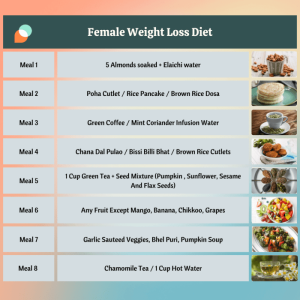
This sample meal plan adheres to a 16/8 intermittent fasting schedule, where you fast for 16 hours and eat within an 8-hour window. Remember, individual caloric needs vary, so adjust portion sizes to meet your personal requirements. Consult a healthcare professional or registered dietitian for personalized guidance.
| Day | Eating Window (e.g., 12 pm – 8 pm) | Meal 1 | Meal 2 | Meal 3 |
|---|---|---|---|---|
| Monday | 12 pm – 8 pm | Grilled chicken salad with mixed greens and avocado | Salmon with roasted vegetables | Greek yogurt with berries |
| Tuesday | 12 pm – 8 pm | Oatmeal with nuts and seeds | Lentil soup with whole-wheat bread | Turkey breast sandwich on whole-grain bread |
| Wednesday | 12 pm – 8 pm | Scrambled eggs with spinach and whole-wheat toast | Chicken stir-fry with brown rice | Cottage cheese with fruit |
| Thursday | 12 pm – 8 pm | Smoothie with protein powder, fruits, and vegetables | Vegetarian chili with cornbread | Baked sweet potato with black beans |
| Friday | 12 pm – 8 pm | Tuna salad sandwich on whole-grain bread | Lean ground beef with steamed broccoli | Small bowl of quinoa with chickpeas |
| Saturday | 12 pm – 8 pm | Breakfast burrito with eggs, black beans, and salsa | Pizza with whole-wheat crust and vegetables | Air-popped popcorn |
| Sunday | 12 pm – 8 pm | Pancakes made with whole-wheat flour and topped with fruit | Roast chicken with roasted potatoes and carrots | Leftovers from dinner |
Managing Hunger and Cravings
Successfully navigating intermittent fasting often hinges on effectively managing hunger and cravings during the fasting period. Strategies for mitigating these sensations include staying hydrated, consuming high-fiber foods during your eating window, and engaging in distracting activities.
- Hydration: Water, unsweetened tea, and black coffee can help curb hunger pangs.
- Fiber-rich foods: Prioritize meals rich in fiber to promote satiety and slow digestion.
- Distraction techniques: Engage in activities like exercise, reading, or spending time with loved ones to divert attention from hunger.
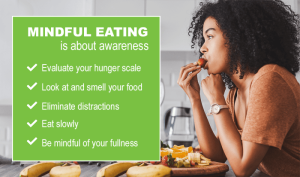
- Mindful eating: Pay attention to your body’s signals and stop eating when you feel comfortably full.
Staying Hydrated During Fasting
Maintaining adequate hydration is paramount during intermittent fasting. Dehydration can exacerbate hunger and lead to headaches and fatigue. Therefore, consistent hydration is essential.
Aim to drink plenty of water, unsweetened tea, or black coffee throughout the fasting period. Electrolyte drinks can also be beneficial, especially during longer fasts. Avoid sugary drinks, as they can disrupt blood sugar levels and negate the potential benefits of fasting.
Listening to Your Body and Adjusting Your Plan
Intermittent fasting is a personal journey; what works for one person may not work for another. It’s crucial to pay attention to your body’s signals and adjust your fasting plan accordingly. For example, if you consistently experience extreme hunger, fatigue, or other negative side effects, consider shortening your fasting window or incorporating more nutrient-dense foods into your eating window.
Ignoring your body’s cues can lead to unsustainable practices and potential health issues. Remember, consistency is key, but flexibility is equally important.
Intermittent Fasting and Different Diets
Intermittent fasting (IF) can be successfully integrated into various dietary approaches, each presenting unique considerations regarding nutrient intake and overall health. Understanding the compatibility of IF with different diets is crucial for maximizing its benefits and mitigating potential risks. This section explores the interplay between IF and popular dietary patterns, including vegan, vegetarian, ketogenic, and low-carb diets, highlighting potential nutritional deficiencies and offering strategies for maintaining a balanced nutritional profile.
Intermittent Fasting and Vegan/Vegetarian Diets
Intermittent fasting is compatible with both vegan and vegetarian diets. The key is ensuring sufficient nutrient intake during your eating window. Vegan and vegetarian diets can sometimes be lower in certain nutrients, such as protein, iron, vitamin B12, and omega-3 fatty acids, and this needs careful consideration during IF. Planning your meals to include nutrient-dense foods is crucial.For example, a vegan IF practitioner might consume a large salad with quinoa, lentils, and various vegetables during their eating window, providing ample protein and fiber.
A vegetarian IF practitioner might enjoy a hearty bowl of oatmeal with berries and nuts for a balanced breakfast, or a substantial lentil soup with whole-grain bread for lunch. Careful meal planning is key to prevent deficiencies.
Intermittent Fasting and Ketogenic/Low-Carb Diets
Combining intermittent fasting with ketogenic or low-carb diets can lead to synergistic weight loss effects. The restricted carbohydrate intake in these diets forces the body to utilize fat for energy, a process enhanced by the calorie restriction inherent in IF. However, it’s essential to ensure adequate electrolyte intake, as ketogenic diets can lead to electrolyte imbalances.A sample ketogenic IF meal plan might include a high-fat breakfast of eggs with avocado and cheese during the eating window, followed by a dinner of fatty fish with leafy greens and olive oil.
A low-carb IF plan might feature a lunch of chicken salad with mixed greens and a dinner of steak with asparagus. Again, careful planning is crucial to avoid nutritional imbalances.
Potential Nutritional Deficiencies and Mitigation Strategies
While IF offers various health benefits, it’s important to be mindful of potential nutritional deficiencies. Restricting eating windows can make it challenging to consume enough vitamins, minerals, and essential fatty acids. The risk of deficiencies is heightened if IF is combined with restrictive diets like veganism or very low-calorie plans.To mitigate these risks, focus on nutrient-dense foods during your eating window.
Consider incorporating supplements, especially if following a restrictive diet. Regular blood tests can help monitor nutrient levels and guide supplementation strategies. Consulting a registered dietitian or healthcare professional is recommended, particularly for individuals with pre-existing health conditions or specific dietary needs.
Macronutrient Ratios in Different Diets Combined with IF
| Diet Type | Protein (%) | Carbohydrates (%) | Fat (%) |
|---|---|---|---|
| Vegan IF | 15-20 | 50-60 | 20-25 |
| Vegetarian IF | 20-25 | 45-55 | 25-30 |
| Keto IF | 20-25 | 5-10 | 65-75 |
| Low-Carb IF | 30-35 | 20-25 | 45-50 |
Intermittent Fasting and Specific Health Goals
Intermittent fasting (IF) can be a powerful tool for achieving various health goals, but its effectiveness depends on individual factors and how it’s implemented. Understanding how IF interacts with specific objectives is crucial for maximizing its benefits and minimizing potential drawbacks. This section will explore the relationship between IF and weight management, gut health, energy levels, and athletic performance.
Intermittent Fasting and Weight Management
Intermittent fasting’s impact on weight management primarily stems from its effect on calorie intake. By restricting eating windows, IF naturally limits the overall number of calories consumed, leading to a calorie deficit—a necessary condition for weight loss. However, it’s important to note that simply restricting eating windows without considering overall dietary choices is not a guarantee of weight loss.
A balanced diet, rich in fruits, vegetables, lean proteins, and whole grains, is crucial. Furthermore, regular exercise complements IF, boosting metabolism and promoting fat burning. For example, a person following a 16/8 method (16 hours fasting, 8 hours eating window) might consume 1500 calories within their eating window, creating a deficit if their daily expenditure exceeds this amount.
The combination of IF and exercise can be particularly effective, with exercise helping to build lean muscle mass, further enhancing metabolism.
Intermittent Fasting and Gut Health
The impact of intermittent fasting on gut health is a complex area of research, with both potential benefits and drawbacks. Some studies suggest that IF can promote beneficial changes in gut microbiota composition, leading to improved gut diversity and potentially reduced inflammation. However, others indicate that IF can negatively affect gut microbiota depending on the individual and the specific IF protocol.
To support gut health during IF, prioritizing fiber-rich foods within the eating window is essential. These foods act as prebiotics, nourishing beneficial gut bacteria. Probiotics, through fermented foods like yogurt or kefir (consumed within the eating window), can also be beneficial. Staying adequately hydrated is also vital, as dehydration can negatively impact gut function. For instance, including a variety of fruits and vegetables, such as berries, leafy greens, and cruciferous vegetables, provides a range of fibers to support diverse gut bacteria.
Intermittent Fasting and Energy Levels and Mental Focus
Initial experiences with IF may involve some adjustment periods, potentially leading to temporary decreases in energy and focus. However, many individuals report improved energy levels and mental clarity in the long term. This may be due to several factors, including improved insulin sensitivity and reduced inflammation. Strategies to optimize energy and focus during IF include consuming nutrient-dense foods within the eating window, prioritizing adequate sleep, and managing stress levels.
For example, focusing on whole, unprocessed foods provides sustained energy, while avoiding sugary snacks prevents energy crashes. Regular physical activity, even light exercise, can also boost energy levels and improve mental clarity.
Intermittent Fasting and Athletic Performance
The effects of intermittent fasting on athletic performance are highly individualized and depend on factors such as the type of sport, training intensity, and the individual’s adaptation to IF. Some studies suggest that IF may enhance endurance performance by improving insulin sensitivity and fat oxidation. However, it’s crucial to note that IF may negatively impact high-intensity training performance, especially in the short term.
Athletes considering IF should carefully monitor their performance and adjust their approach as needed. They should prioritize adequate nutrient intake within their eating window, ensuring sufficient carbohydrate and protein to support training demands. Athletes might benefit from adjusting their IF schedule to align with their training schedule, potentially shifting their eating window to coincide with periods of higher energy expenditure.
For example, an endurance athlete might find that a time-restricted feeding (TRF) approach works well, while a strength athlete might need to adjust their macronutrient intake more carefully.
Healthy Recipes and Cooking Tips for Intermittent Fasting
Choosing the right foods during your eating window is crucial for successful intermittent fasting. Prioritizing nutrient-dense meals rich in protein and fiber will help you feel full and satisfied, preventing cravings and making it easier to stick to your fasting schedule. This section provides recipes and tips to optimize your intermittent fasting experience.
Efficient meal preparation is key when following an intermittent fasting plan. You need to make the most of your eating window, preparing meals that are both healthy and quick to make. Prioritizing simple recipes and using time-saving techniques will significantly enhance your experience.
High-Protein and Fiber Recipes for Intermittent Fasting
The following recipes are designed to be high in protein and fiber, promoting satiety and helping to manage hunger during your fasting periods. They are also relatively quick and easy to prepare, fitting well within busy schedules.
- Breakfast (or Lunch): Overnight Oats with Berries and Nuts: Combine rolled oats, chia seeds, milk (dairy or non-dairy), and your favorite berries in a jar. Refrigerate overnight. Top with nuts before consuming.
- Breakfast (or Lunch): Scrambled Eggs with Spinach and Feta: Sauté spinach, then add scrambled eggs and crumbled feta cheese. Season with salt and pepper.
- Breakfast (or Lunch): Greek Yogurt with Fruit and Granola: Combine Greek yogurt (high in protein) with mixed berries and a small amount of granola for added crunch.
- Lunch or Dinner: Salmon with Roasted Asparagus: Season salmon fillets and roast alongside asparagus spears. Drizzle with lemon juice.
- Lunch or Dinner: Chicken Salad with Avocado: Combine cooked chicken breast, avocado, and mixed greens. Use a light vinaigrette dressing.
- Lunch or Dinner: Lentil Soup: A hearty and filling soup packed with protein and fiber. Many variations exist, so feel free to experiment with different vegetables and spices.
- Dinner: Steak with Roasted Broccoli: Grill or pan-fry a lean steak and roast broccoli florets with olive oil and garlic.
- Dinner: Turkey Meatballs with Zucchini Noodles: Prepare lean turkey meatballs and serve over zucchini noodles for a low-carb, high-protein meal.
- Snack: Hard-boiled Eggs: A simple, portable, and protein-rich snack.
- Snack: Celery Sticks with Almond Butter: A satisfying and healthy snack combining fiber and healthy fats.
Time-Saving Cooking Techniques for Intermittent Fasting
These techniques are designed to make meal preparation faster and more efficient, especially beneficial when you have a limited eating window.
- Batch Cooking: Prepare larger portions of meals on the weekend and store them in individual containers for quick and easy weekday meals. This is particularly helpful for items like soups, stews, or roasted vegetables.
- One-Pan Meals: Minimize cleanup and cooking time by using one pan or baking sheet for your entire meal. Roast vegetables and protein together for a complete and simple dish.
- Utilizing Leftovers: Repurpose leftovers creatively. For instance, leftover chicken can be used in salads or wraps the next day.
- Meal Prepping: Chop vegetables and pre-portion ingredients ahead of time to save time during the week.
- Using Pre-Cut Vegetables: Save time by purchasing pre-cut vegetables, especially if time is limited.
Visual Guide: Preparing Salmon with Roasted Asparagus
This detailed description guides you through the preparation of a simple, healthy, and high-protein meal suitable for intermittent fasting.
Step 1: Preparation Preheat your oven to 400°F (200°C). Wash and trim one pound of asparagus, then toss it with one tablespoon of olive oil, salt, and pepper on a baking sheet. Prepare two 4-6 ounce salmon fillets, patting them dry with paper towels. Season the salmon with salt, pepper, and a squeeze of lemon juice.
Step 2: Roasting Place the asparagus on one side of the baking sheet and the salmon fillets on the other. Roast for 12-15 minutes, or until the salmon is cooked through and the asparagus is tender-crisp. The salmon is cooked when it flakes easily with a fork.
Step 3: Serving Remove from the oven and serve immediately. A simple squeeze of fresh lemon juice over the finished dish adds brightness and flavor.
Addressing Potential Challenges
Intermittent fasting, while offering numerous potential health benefits, isn’t without its challenges. Many individuals experience initial side effects, and navigating plateaus or adapting the fasting schedule to various life circumstances requires careful planning and understanding. This section addresses common difficulties and offers strategies for successful implementation.
Common Side Effects and Management Strategies
The initial transition to intermittent fasting can sometimes be accompanied by unpleasant side effects. Headaches, fatigue, and irritability are frequently reported. These are often temporary, stemming from the body’s adjustment to a new eating pattern. Headaches may be related to dehydration or fluctuations in blood sugar. Fatigue can be mitigated by ensuring adequate sleep and hydration.
Irritability might be linked to hunger pangs; addressing these with appropriate snacks during eating windows can be beneficial. Strategies for managing these include gradual implementation, prioritizing hydration, consuming electrolyte-rich beverages, and listening to your body’s signals. If side effects persist or are severe, consulting a healthcare professional is crucial.
Overcoming Plateaus in Weight Loss or Other Health Goals
Weight loss plateaus are common, regardless of the diet. When practicing intermittent fasting, a plateau might indicate the need for adjustments. This could involve reevaluating caloric intake within the eating window, ensuring sufficient protein consumption, incorporating regular exercise, or even adjusting the fasting schedule itself. For example, someone might shift from a 16/8 method to a 14/10 method or explore alternate fasting protocols.
Plateaus in other health goals, such as improved blood sugar control, might necessitate a review of overall lifestyle factors, including stress management and sleep quality, in conjunction with continued intermittent fasting.
Adjusting the Intermittent Fasting Schedule for Social Events or Travel, How to start intermittent fasting
Social events and travel can present challenges to maintaining a consistent intermittent fasting schedule. Flexibility is key. For social gatherings involving meals, one might choose a shorter fasting period or adjust the timing of their eating window. Travel may require advance planning, packing non-perishable healthy snacks, and identifying meal options that align with the fasting schedule. For example, if traveling across time zones, one might need to gradually shift their eating window to accommodate the new schedule.
Prioritizing hydration and mindful eating during these times helps minimize disruptions to the overall fasting routine.
Importance of Consulting a Healthcare Professional
Before embarking on intermittent fasting, particularly if you have pre-existing health conditions such as diabetes, eating disorders, or gastrointestinal issues, consulting a healthcare professional is paramount. They can assess your individual health status, evaluate the suitability of intermittent fasting, and offer personalized guidance. This proactive approach helps minimize potential risks and ensures that intermittent fasting aligns with your overall health and well-being.
They can also help monitor progress and address any concerns that may arise during the process.
Embarking on an intermittent fasting journey is a personal endeavor, requiring careful consideration and a commitment to understanding your body’s unique needs. While the potential benefits, such as improved weight management and enhanced metabolic health, are compelling, it’s crucial to approach this lifestyle change with a balanced perspective. By following the guidance Artikeld in this guide, you can create a sustainable plan that supports your health goals while minimizing potential risks.
Remember, consistency and mindful listening to your body are key to long-term success.
Questions Often Asked
What are the common side effects of intermittent fasting, and how can I manage them?
Common side effects include headaches, fatigue, irritability, and dizziness. These are often temporary and can be mitigated by staying hydrated, eating nutrient-rich meals during your eating window, and gradually increasing your fasting duration.
Can I do intermittent fasting if I have a medical condition?
It’s crucial to consult your doctor before starting intermittent fasting, especially if you have pre-existing health conditions like diabetes, heart problems, or eating disorders. They can assess your individual health status and determine if intermittent fasting is safe for you.
Is intermittent fasting suitable for everyone?
Intermittent fasting is not suitable for everyone. Pregnant or breastfeeding women, individuals with certain medical conditions, and those with a history of eating disorders should avoid it. Always consult your healthcare provider before starting any new diet.
How do I adjust my intermittent fasting schedule for social events?
Flexibility is key. You can adjust your eating window slightly to accommodate social events. Prioritize nutrient-dense foods and stay mindful of your overall calorie intake.