Healthy Foods to Stock Up On for Cheap
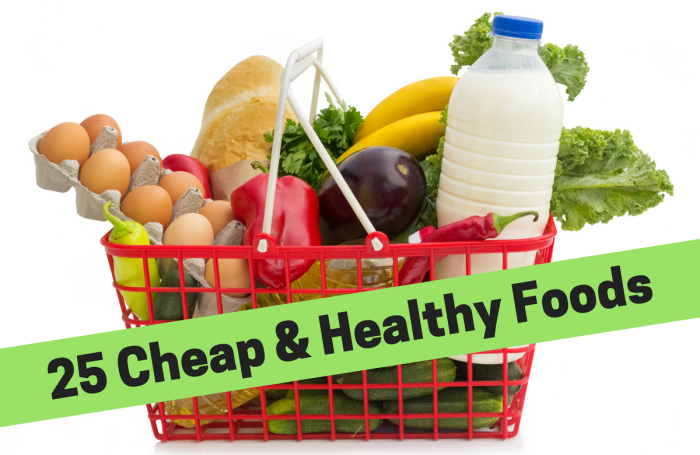
Healthy foods to stock up on for cheap unlocks the secret to nutritious eating without breaking the bank. This guide explores budget-friendly options for building a pantry and refrigerator brimming with wholesome ingredients, offering practical strategies for meal planning, cooking techniques, and maximizing food shelf life. We’ll delve into seasonal produce, vegan and vegetarian alternatives, and even address specific dietary needs like keto and low-carb options, all while keeping affordability at the forefront.
Healthy Cooking on a Budget: Healthy Foods To Stock Up On For Cheap
Cooking nutritious meals doesn’t require a large budget. By employing smart strategies and simple techniques, you can create delicious and healthy dishes without breaking the bank. This section will explore practical methods for affordable and nutrient-rich cooking.
Simple and Inexpensive Cooking Techniques
Choosing cooking methods that preserve nutrients and minimize waste is crucial for both health and budget management. These techniques also tend to be quicker and easier, saving you time and energy.
- Roasting: This technique uses dry heat to cook food in the oven, resulting in tender, flavorful results. Roasting vegetables like carrots, potatoes, and broccoli brings out their natural sweetness and requires minimal oil. Roasting a whole chicken is also a cost-effective way to get several meals from one purchase.
- Steaming: Steaming is a gentle cooking method that preserves vitamins and minerals. It’s ideal for vegetables, fish, and even dumplings. A simple steamer basket placed over a pot of boiling water is all you need.
- Stir-frying: This quick cooking method uses a wok or large skillet with a small amount of oil. It’s perfect for vegetables, tofu, and lean meats. Stir-frying retains nutrients and allows for creative flavor combinations using affordable ingredients like soy sauce, ginger, and garlic.
- Slow Cooking: Slow cookers are energy-efficient and perfect for budget-friendly cuts of meat and hearty stews. The low and slow cooking process tenderizes tougher cuts, making them delicious and easy to digest. They also allow for minimal supervision, freeing up your time.
- One-Pot/Pan Cooking: Minimizing dishes is key to efficient cooking. One-pot or one-pan meals, like pasta with vegetables and sausage, or a sheet pan dinner with chicken and roasted vegetables, reduce cleanup time and minimize food waste.
Affordable and Nutritious Recipes
These recipes demonstrate the previously mentioned cooking techniques, focusing on affordability and nutritional value.
- Roasted Chicken and Vegetables: A whole chicken (often cheaper per pound than individual parts) roasted with chopped carrots, potatoes, and onions. Season simply with salt, pepper, and herbs. This provides a complete protein source with a generous serving of vegetables.
- Steamed Salmon with Broccoli: Salmon fillets, while not always the cheapest, are a great source of omega-3 fatty acids. Steaming keeps them moist and flavorful. Serve with steamed broccoli for a balanced and healthy meal. Consider buying frozen salmon fillets for a more budget-friendly option.
- One-Pan Lemon Herb Chicken and Veggies: Chicken thighs (often cheaper than breasts) are tossed with lemon juice, herbs (like rosemary or thyme), and roasted alongside chopped bell peppers and zucchini on a single sheet pan. This minimizes cleanup and provides a flavorful, nutritious meal.
Effective Meal Planning for Reduced Waste and Savings
Careful meal planning is essential for minimizing food waste and maximizing your budget. This involves creating a weekly menu based on affordable ingredients and utilizing leftovers creatively.Planning involves checking your pantry and refrigerator for existing ingredients before shopping. Creating a shopping list based on your planned meals prevents impulse purchases. Storing food properly, using airtight containers and prioritizing FIFO (First In, First Out) method, helps reduce spoilage.
Finally, repurposing leftovers into new dishes, like using leftover chicken in a salad or soup, extends the life of your ingredients and prevents waste.
Vegan and Vegetarian Options
Adopting a vegan or vegetarian diet doesn’t have to break the bank. Many affordable and nutritious options are readily available, allowing for a healthy and sustainable lifestyle without compromising your budget. This section will explore budget-friendly protein sources, sample meal plans, and a comparison of nutritional values between plant-based and meat-based proteins.
Budget-Friendly Vegan and Vegetarian Protein Sources
Choosing affordable protein sources is key to successful vegan and vegetarian eating. The following table highlights five options, their nutritional benefits, preparation methods, and recipe ideas.
| Protein Source | Nutritional Value | Preparation Methods | Recipe Ideas |
|---|---|---|---|
| Lentils | High in protein, fiber, iron, and folate. Excellent source of plant-based protein. | Can be cooked from dry or used pre-cooked/canned. Can be added to soups, stews, salads, or made into lentil loaf. | Lentil soup, lentil shepherd’s pie, lentil salad with vinaigrette. |
| Beans (Kidney, Black, Pinto, etc.) | Good source of protein, fiber, iron, and various vitamins and minerals. Different types offer varying nutritional profiles. | Soaked overnight before cooking, then simmered until tender. Can be added to chili, burritos, salads, or mashed as a side dish. | Three-bean chili, black bean burgers, pinto bean salsa. |
| Tofu | Complete protein source, relatively low in calories, and versatile in cooking. Choose firm or extra-firm for best results in stir-fries. | Can be crumbled, pressed, marinated, or stir-fried. Excellent in stir-fries, curries, and as a meat substitute in various dishes. | Tofu scramble, teriyaki tofu, General Tso’s tofu. |
| Chickpeas | High in protein, fiber, and iron. Can be used whole or mashed (like hummus). | Can be cooked from dry or used canned. Can be roasted, added to salads, or used in dips and spreads. | Hummus, chickpea curry, roasted chickpeas as a snack. |
| Eggs (Vegetarian Option) | Excellent source of protein, choline, and other essential nutrients. Note: This option is suitable for vegetarians but not vegans. | Can be boiled, scrambled, fried, poached, or baked. Versatile and can be used in many dishes. | Scrambled eggs, omelets, frittatas, hard-boiled eggs. |
Sample Vegan/Vegetarian Meal Plans
These meal plans prioritize affordability and nutritional balance, showcasing the versatility of plant-based ingredients. Portion sizes should be adjusted based on individual needs and activity levels.
Meal Plan 1:
Breakfast: Oatmeal with berries and nuts.
Lunch: Lentil soup with whole-wheat bread.
Dinner: Black bean burritos with brown rice.
Meal Plan 2:
Breakfast: Tofu scramble with whole-wheat toast.
Lunch: Chickpea salad sandwich on whole-wheat bread.
Dinner: Vegetable stir-fry with brown rice and tofu.
Meal Plan 3:
Breakfast: Yogurt with granola and fruit (vegetarian option).
Lunch: Leftover vegetable stir-fry.
Dinner: Lentil stew with whole-wheat bread.
Nutritional Comparison of Plant-Based and Meat-Based Proteins
Direct comparisons are complex due to the variety within both categories. However, generally, plant-based proteins are often lower in saturated fat and cholesterol while being richer in fiber. Meat-based proteins typically provide higher amounts of certain vitamins like B12 (often supplemented in vegan diets) and heme iron (more readily absorbed than non-heme iron found in plants). A balanced approach, including a variety of plant-based proteins and potential supplementation where needed, is crucial for optimal nutrition in both diets.
For example, a serving of lentils provides comparable protein to a serving of ground beef, but the lentil offers significantly more fiber and less saturated fat. Similarly, tofu can substitute for chicken in terms of protein content, but with a lower fat profile. Careful planning and dietary diversity are essential to ensure adequate nutrient intake regardless of dietary choice.
Keto and Low-Carb Options
Embracing a ketogenic diet doesn’t necessitate breaking the bank. Many budget-friendly options exist, allowing you to enjoy the benefits of this dietary approach without compromising your finances. By focusing on affordable, nutrient-dense foods, you can successfully maintain a keto lifestyle while managing your expenses effectively.
The ketogenic diet, characterized by its high fat, moderate protein, and very low carbohydrate intake, forces the body to enter a metabolic state called ketosis, where it burns fat for energy instead of glucose. This can lead to weight loss and other potential health benefits. However, it’s crucial to carefully plan your meals to ensure you’re meeting your nutritional needs and staying within your budget.
Inexpensive Keto-Friendly Foods
Several affordable foods are naturally rich in healthy fats and low in carbohydrates, making them ideal for a ketogenic diet. Choosing these options can significantly reduce the overall cost of following a keto plan.
- Eggs: A versatile and inexpensive source of protein and healthy fats. Eggs can be prepared in numerous ways, making them a staple for any keto diet.
- Canned Tuna: A convenient and budget-friendly source of protein and healthy fats. Opt for tuna packed in water to minimize added sodium.
- Avocado: While the price can fluctuate, avocados are a fantastic source of healthy monounsaturated fats and fiber. They add creaminess and healthy fats to many dishes.
- Cauliflower: A versatile low-carb vegetable that can be used as a rice substitute, mashed, or roasted. It provides essential nutrients and adds bulk to meals.
- Frozen Berries (in moderation): While higher in carbohydrates compared to other items on this list, berries offer antioxidants and can be enjoyed in small portions as a sweet treat.
Affordable Low-Carb Recipes
These recipes demonstrate how delicious and affordable ketogenic meals can be. They utilize readily available and inexpensive ingredients.
- Tuna Salad Stuffed Avocados: Mix canned tuna with mayonnaise (full-fat), celery, and onion. Stuff the mixture into halved avocados for a quick and satisfying meal. This recipe is both quick and satisfying, offering a good balance of protein and healthy fats.
- Cauliflower “Rice” Stir-fry: Pulse cauliflower florets in a food processor until they resemble rice. Stir-fry with your favorite low-carb vegetables (e.g., broccoli, spinach, mushrooms) and a flavorful sauce made from coconut aminos, ginger, and garlic. This offers a satisfying alternative to traditional rice-based stir-fries.
- Cheesy Scrambled Eggs with Spinach: Whisk eggs with a splash of cream or heavy cream and sautéed spinach. Add shredded cheese (cheddar or Monterey Jack are budget-friendly options) for extra flavor and richness. This simple recipe is a great way to start the day or enjoy a quick and easy dinner.
Benefits and Drawbacks of the Keto Diet and Affordability
The ketogenic diet offers potential benefits such as weight loss, improved blood sugar control, and reduced appetite. However, it can also have drawbacks, including potential nutrient deficiencies if not planned carefully, the “keto flu” (initial side effects), and the potential for increased cholesterol levels in some individuals. The affordability of a keto diet depends heavily on food choices. Focusing on inexpensive, whole foods like those listed above can make it a cost-effective dietary approach.
However, relying on processed keto products or specialty ingredients can significantly increase expenses.
Superfoods on a Budget
Accessing nutrient-rich foods doesn’t require a hefty grocery bill. Many “superfoods,” celebrated for their dense nutritional profiles, are surprisingly affordable, making them excellent additions to a healthy and budget-conscious diet. This section will highlight three such options, exploring their benefits and incorporating them into simple, cost-effective recipes.
The affordability of these superfoods stems from their accessibility and versatility. They are often locally sourced or readily available in bulk, driving down the per-serving cost. Compared to more exotic or processed alternatives, these options provide significant nutritional bang for your buck.
Affordable Superfoods and Their Nutritional Benefits
The following three superfoods offer a wealth of vitamins, minerals, and antioxidants at a fraction of the cost of some more expensive options. Their versatility allows for easy incorporation into various dishes, maximizing their nutritional impact on your diet.
- Lentils: These legumes are packed with protein, fiber, iron, and folate. They are a complete protein source, meaning they contain all nine essential amino acids. The high fiber content aids digestion and promotes satiety, helping with weight management. Iron is crucial for red blood cell production, while folate is essential for cell growth and development.
- Sweet Potatoes: A vibrant source of beta-carotene (converted to Vitamin A in the body), sweet potatoes also offer significant amounts of Vitamin C, manganese, and potassium. Vitamin A supports vision and immune function, Vitamin C acts as an antioxidant, manganese contributes to bone health, and potassium is vital for maintaining healthy blood pressure.
- Spinach: This leafy green is a powerhouse of nutrients, boasting high levels of Vitamin K, Vitamin A, Vitamin C, folate, iron, and potassium. Vitamin K is essential for blood clotting, while the other vitamins and minerals contribute to various bodily functions, including immune support, bone health, and energy production.
Recipes Incorporating Affordable Superfoods
These recipes demonstrate the ease with which these budget-friendly superfoods can be integrated into everyday meals, enhancing both flavor and nutritional value.
- Lentil Soup: A hearty and flavorful soup can be made with lentils, carrots, celery, onions, and vegetable broth. Season with herbs and spices to taste. This provides a complete protein source and a substantial amount of fiber.
- Roasted Sweet Potatoes with Spices: Simply toss cubed sweet potatoes with olive oil, your favorite spices (cinnamon, cumin, paprika are excellent choices), and roast until tender. This is a simple side dish bursting with flavor and nutrients.
- Spinach and Chickpea Salad: Combine cooked chickpeas, fresh spinach, chopped cucumber, and a lemon vinaigrette. This makes a refreshing and nutritious salad, ideal for lunch or a light dinner. The combination of spinach and chickpeas provides a good source of protein and iron.
Cost-Effectiveness Comparison
Comparing the cost per serving of these superfoods with more expensive alternatives reveals their significant value. For instance, a pound of lentils costs considerably less than a comparable serving of organic berries or exotic nuts. Similarly, a bag of sweet potatoes is far more affordable than a comparable amount of kale or avocado. While these more expensive options offer nutritional benefits, the affordability and nutritional density of lentils, sweet potatoes, and spinach make them excellent choices for budget-conscious consumers seeking a healthy diet.
Intermittent Fasting Strategies
Intermittent fasting (IF) involves cycling between periods of eating and voluntary fasting on a regular schedule. It’s not about
- what* you eat, but
- when* you eat, making it a potentially budget-friendly approach to weight management and improved health. Various IF schedules exist, each with its own advantages and challenges.
Intermittent Fasting Schedules and Potential Benefits
Several intermittent fasting schedules have gained popularity. Choosing the right one depends on individual preferences, lifestyle, and health goals. Consistency is key, regardless of the chosen method.
- The 16/8 Method: This involves fasting for 16 hours each day and restricting your eating window to 8 hours. For example, you might eat between 12 pm and 8 pm, fasting overnight and during the early morning. Potential benefits include improved insulin sensitivity, weight loss, and reduced inflammation.
- The 5:2 Diet: This involves eating normally for five days a week and restricting calorie intake to 500-600 calories on two non-consecutive days. This method allows for more flexibility in daily eating patterns. Potential benefits include weight loss, improved blood sugar control, and potential cardiovascular benefits.
- Eat Stop Eat: This involves a 24-hour fast once or twice a week. For example, you might have dinner on Monday evening, then skip meals until dinner on Tuesday. Potential benefits include similar advantages to the 16/8 method, but with a more intense fasting period. It’s crucial to approach this method gradually and with caution.
Incorporating Intermittent Fasting into a Budget-Friendly Diet
Intermittent fasting can be highly compatible with a budget-friendly diet. Because it focuses on
- when* you eat, not
- what*, it allows you to prioritize inexpensive, nutritious foods. Planning meals within your eating window is crucial. Stocking up on staples like beans, lentils, rice, oats, and seasonal fruits and vegetables allows for affordable and healthy meal preparation. Preparing larger batches of meals during your eating window and storing them for later consumption can also save time and money.
For example, a large pot of lentil soup can provide several affordable and nutritious meals throughout the week.
Challenges of Intermittent Fasting and Strategies to Overcome Them, Healthy foods to stock up on for cheap
While IF offers potential benefits, it’s essential to be aware of potential challenges and develop strategies to mitigate them.
- Hunger and Lightheadedness: These are common initial experiences. Staying hydrated by drinking plenty of water, herbal tea, or black coffee during the fasting period can help. Also, focusing on nutrient-dense foods during your eating window helps maintain energy levels.
- Social Situations: IF may require adjustments during social events involving meals. Planning ahead, communicating your dietary choices to others, and having a healthy snack available if needed can help manage these situations.
- Potential Side Effects: Some individuals might experience fatigue, headaches, or constipation. Gradually introducing IF, listening to your body, and adjusting the schedule as needed is crucial. Consulting a healthcare professional before starting any new diet, especially if you have pre-existing health conditions, is strongly recommended.
Nutrition for Athletes on a Budget
Maintaining peak physical condition doesn’t require a lavish budget. With careful planning and smart food choices, athletes can achieve optimal nutrition without breaking the bank. This section focuses on providing affordable yet effective nutritional strategies for athletes.
Inexpensive Foods for Athletes
A balanced diet is crucial for athletic performance, encompassing carbohydrates for energy, protein for muscle repair and growth, and healthy fats for hormone production and overall health. The following table highlights five budget-friendly foods that effectively contribute to this balance.
| Food Item | Macronutrient Profile (per 100g, approximate) | Preparation Methods | Benefits for Athletes |
|---|---|---|---|
| Brown Rice | Carbohydrates: ~77g, Protein: ~2.7g, Fat: ~1g | Boiled, steamed, added to stir-fries | Provides sustained energy release, crucial for endurance activities. Good source of fiber. |
| Eggs | Protein: ~13g, Fat: ~11g, Carbohydrates: ~1g | Scrambled, boiled, poached, omelets | Excellent source of high-quality protein, essential for muscle repair and growth. Contains essential vitamins and minerals. |
| Canned Tuna | Protein: ~25g, Fat: ~10g, Carbohydrates: ~0g | Salads, sandwiches, pasta dishes | High in protein, beneficial for muscle building and recovery. Convenient and affordable source of protein. |
| Sweet Potatoes | Carbohydrates: ~20g, Protein: ~2g, Fat: ~0.1g | Baked, roasted, mashed | Provides complex carbohydrates for sustained energy. Rich in vitamins and antioxidants. |
| Lentils | Protein: ~25g, Carbohydrates: ~59g, Fat: ~1g | Soups, stews, salads | Excellent source of plant-based protein, fiber, and iron. Affordable and versatile. |
Sample Meal Plan for an Athlete on a Budget
This sample meal plan provides a framework for balanced nutrition, emphasizing affordability and nutrient density. Individual needs may vary based on training intensity and body composition. Adjust portion sizes accordingly.
Day 1
Breakfast: Oatmeal with berries and a handful of nuts.
Lunch: Tuna salad sandwich on whole-wheat bread with a side of baby carrots.
Dinner: Lentil soup with a side of brown rice.
Snacks: Banana, hard-boiled egg.
Day 2
Breakfast: Scrambled eggs with whole-wheat toast.
Lunch: Leftover lentil soup.
Dinner: Baked sweet potato with black beans and salsa.
Snacks: Apple slices with peanut butter, a small portion of trail mix.
Hydration and Electrolyte Balance for Athletes on a Budget
Proper hydration is paramount for athletic performance. Dehydration can significantly impair physical capabilities. Maintaining electrolyte balance is also crucial, as electrolytes (sodium, potassium, magnesium) are lost through sweat. While electrolyte drinks can be expensive, athletes can achieve adequate hydration and electrolyte balance affordably by:
Drinking plenty of water throughout the day, especially before, during, and after exercise. Adding a pinch of salt to water during and after intense workouts can help replenish sodium losses. Consuming fruits and vegetables rich in potassium (bananas, sweet potatoes) and magnesium (dark leafy greens).
Gut Health and Budget-Friendly Nutrition
Maintaining a healthy gut microbiome is crucial for overall well-being, impacting everything from digestion and immunity to mental health. Fortunately, supporting a thriving gut doesn’t require expensive supplements or exotic ingredients. Many budget-friendly foods offer significant gut-health benefits.A diverse and balanced gut microbiome, rich in beneficial bacteria, is essential for optimal health. This is achieved through a diet rich in fiber, prebiotics, and probiotics, all attainable on a limited budget.
The following sections will explore inexpensive options and simple recipes to nourish your gut without breaking the bank.
Inexpensive Foods for Gut Health
Prioritizing affordable, gut-friendly foods is key to improving your digestive health without excessive cost. The following options offer a wide array of prebiotics and fiber to support beneficial gut bacteria.
- Bananas: Rich in prebiotics, specifically resistant starch, which feeds beneficial gut bacteria.
- Oats: A good source of soluble fiber, promoting regular bowel movements and a healthy gut environment.
- Beans (Kidney, Black, Pinto): Excellent sources of both soluble and insoluble fiber, supporting both gut motility and bacterial growth.
- Apples (with skin): The skin contains pectin, a soluble fiber that acts as a prebiotic.
- Yogurt (plain, unsweetened): Contains live and active cultures (probiotics), which directly benefit gut health. Choose varieties with minimal added sugar.
Gut-Friendly Recipes
These simple recipes utilize the inexpensive ingredients listed above, providing delicious and nutritious meals to support gut health.
Recipe 1: Overnight Oats with Berries
Combine ½ cup rolled oats, 1 cup plain yogurt, ½ cup berries (frozen are more affordable), and a sprinkle of cinnamon in a jar. Refrigerate overnight. This provides a convenient and fiber-rich breakfast.
Recipe 2: Lentil Soup
Sauté onions, carrots, and celery. Add 1 cup lentils, 4 cups vegetable broth, and diced tomatoes. Simmer until lentils are tender. This is a hearty, high-fiber meal packed with prebiotics.
Recipe 3: Black Bean Burgers
Mash one can of black beans with breadcrumbs, chopped onion, spices (cumin, chili powder), and a binding agent (egg or flaxseed meal). Form into patties and bake or pan-fry. Serve on whole-wheat buns (optional) with your favorite toppings. This offers a high-protein, fiber-rich meal.
Gut Health and Overall Well-being on a Budget
The gut-brain axis highlights the strong connection between gut health and overall well-being. A healthy gut contributes to improved digestion, stronger immunity, better mental health, and even weight management. Maintaining this on a budget involves strategic food choices and mindful eating habits. Prioritizing whole, unprocessed foods like those listed above, reducing processed foods, sugary drinks, and excessive alcohol consumption, are all cost-effective ways to nurture your gut and improve your overall health.
Regular physical activity, adequate sleep, and stress management also play significant roles in supporting gut health, all without significant financial investment.
Eating for Energy and Focus on a Budget
Maintaining consistent energy and focus throughout the day is crucial for productivity and overall well-being. However, achieving this doesn’t require expensive supplements or exotic ingredients. Many budget-friendly foods offer a wealth of nutrients that support both energy levels and cognitive function. This section will explore several such options and provide practical strategies for incorporating them into your daily routine.
Inexpensive Foods for Energy and Focus
A balanced diet rich in essential vitamins, minerals, and complex carbohydrates is key to sustained energy and sharp focus. The following table highlights five inexpensive foods that excel in this area, along with their nutritional benefits and simple recipe ideas.
| Food | Energy Boosting Properties | Focus Enhancing Components | Recipe Suggestions |
|---|---|---|---|
| Oats | Complex carbohydrates provide sustained energy release, preventing energy crashes. Rich in fiber, promoting satiety. | Contains B vitamins crucial for brain function and energy metabolism. | Overnight oats (oats, milk/yogurt, fruit), oatmeal with berries and nuts. |
| Eggs | Excellent source of protein, providing sustained energy. Choline supports brain health. | Choline is vital for neurotransmitter production, impacting focus and memory. Also rich in B vitamins. | Scrambled eggs, omelets with vegetables, hard-boiled eggs as a snack. |
| Bananas | Natural sugars provide a quick energy boost. Potassium helps regulate energy levels. | Potassium and magnesium contribute to nerve function, improving concentration. | Banana with peanut butter, smoothie with banana, spinach, and almond milk. |
| Lentils | Complex carbohydrates and protein provide sustained energy. Fiber promotes stable blood sugar. | Iron supports oxygen delivery to the brain, enhancing cognitive function. | Lentil soup, lentil salad, lentil curry. |
| Dark Leafy Greens (Spinach, Kale) | Vitamins and minerals support overall energy production. Fiber aids digestion and prevents energy slumps. | Rich in antioxidants that protect brain cells and improve cognitive function. | Spinach salad, kale smoothie, sautéed greens with garlic and lemon. |
Sample Meal Plan for Energy and Focus
This sample meal plan incorporates the foods listed above to provide sustained energy and focus throughout the day. Remember to adjust portion sizes based on individual needs and activity levels.
Breakfast: Oatmeal with berries and a sprinkle of nuts. This provides sustained energy release from complex carbohydrates and fiber, while berries offer antioxidants and nuts provide healthy fats.
Mid-morning Snack: Hard-boiled egg and a banana. The egg provides protein for sustained energy, and the banana offers a quick sugar boost and potassium for nerve function.
Lunch: Lentil soup with a side of whole-wheat bread. Lentils provide sustained energy from protein and complex carbohydrates, while whole-wheat bread adds additional fiber.
Afternoon Snack: Handful of almonds and a small spinach salad. Almonds provide healthy fats and protein, while spinach offers essential vitamins and minerals.
Dinner: Vegetable stir-fry with brown rice. This provides a balance of complex carbohydrates, protein, and vitamins for sustained energy and overall health.
The Role of Sleep and Stress Management
Adequate sleep and effective stress management are equally important for maintaining energy and focus. Sleep deprivation significantly impairs cognitive function, leading to reduced concentration, impaired memory, and decreased energy levels. Chronic stress, on the other hand, releases cortisol, a hormone that can interfere with sleep and deplete energy reserves. Prioritizing 7-9 hours of quality sleep each night and incorporating stress-reducing techniques like exercise, meditation, or deep breathing exercises are crucial for optimal energy and focus.
Weight Management Diets on a Budget
Achieving and maintaining a healthy weight doesn’t require expensive fad diets. Many effective strategies exist that are both budget-friendly and sustainable in the long run. By focusing on affordable, nutrient-rich foods and mindful eating habits, you can successfully manage your weight without breaking the bank. This section Artikels practical strategies and a sample meal plan to guide you.
Budget-Friendly Weight Management Strategies
Implementing a weight management plan doesn’t necessitate expensive gym memberships or specialty foods. The following strategies prioritize affordability and effectiveness.
- Prioritize whole, unprocessed foods: Fruits, vegetables, legumes, and whole grains are significantly cheaper than processed foods and offer greater nutritional value, promoting satiety and aiding weight loss. A diet rich in these foods naturally reduces calorie intake while boosting essential nutrients.
- Plan your meals and create a shopping list: Careful meal planning prevents impulsive purchases of unhealthy, expensive snacks. A well-structured shopping list ensures you buy only what you need, minimizing food waste and saving money.
- Cook at home more often: Eating out is significantly more expensive than preparing meals at home. Batch cooking can save time and money, providing healthy, affordable meals for several days.
- Reduce your intake of sugary drinks and processed foods: These are often high in calories and low in nutrients, contributing to weight gain without providing sustained energy. Substituting water, unsweetened tea, or homemade fruit infusions for sugary drinks is a simple, cost-effective way to reduce calorie intake.
- Utilize seasonal produce: Fruits and vegetables in season are typically cheaper and tastier. Taking advantage of seasonal availability can dramatically reduce grocery bills while ensuring access to a variety of fresh produce.
Sample Weekly Meal Plan for Weight Loss
This sample meal plan demonstrates how to create a balanced, weight-loss-supportive diet on a budget. Remember to adjust portion sizes to meet your individual caloric needs.
| Day | Breakfast | Lunch | Dinner |
|---|---|---|---|
| Monday | Oatmeal with berries and nuts | Large salad with chickpeas and a light vinaigrette | Lentil soup with whole-wheat bread |
| Tuesday | Scrambled eggs with spinach and whole-wheat toast | Leftover lentil soup | Baked chicken breast with roasted vegetables (broccoli, carrots) |
| Wednesday | Greek yogurt with fruit | Tuna salad sandwich on whole-wheat bread | Black bean burgers on whole-wheat buns with a side salad |
| Thursday | Smoothie with fruit, spinach, and protein powder (optional) | Leftover black bean burgers | Chicken and vegetable stir-fry with brown rice |
| Friday | Whole-wheat toast with avocado | Large salad with grilled chicken or chickpeas | Baked salmon with roasted sweet potatoes |
| Saturday | Pancakes made with whole-wheat flour and fruit | Leftover salmon and sweet potatoes | Vegetarian chili with cornbread |
| Sunday | Breakfast burrito with eggs, beans, and salsa | Leftover vegetarian chili | Roast chicken with potatoes and green beans |
Portion Control and Mindful Eating
Portion control and mindful eating are crucial for successful weight management, regardless of budget. Mindful eating involves paying attention to your hunger and fullness cues, eating slowly, and savoring your food. Using smaller plates and bowls can help with portion control, while mindful eating prevents overeating and promotes a healthier relationship with food. Consistent practice of these techniques contributes significantly to weight management success.
Ultimately, achieving a healthy diet on a budget is entirely achievable. By strategically selecting affordable staples, embracing seasonal produce, and mastering efficient cooking techniques, you can nourish your body without sacrificing your financial well-being. Remember, mindful planning, creative recipe adaptation, and a focus on maximizing food value are key to long-term success. This guide provides the foundation; now it’s time to embark on your journey to healthy, affordable eating.
Commonly Asked Questions
What are some good sources of cheap protein?
Beans, lentils, eggs, and canned tuna are excellent inexpensive protein sources.
How can I reduce food waste?
Proper storage, meal planning, and using leftovers creatively are key to minimizing food waste.
Are there any healthy foods that are also shelf-stable?
Canned goods (beans, tomatoes, tuna), dried grains (rice, quinoa), and oats are all healthy and shelf-stable options.
What if I have dietary restrictions?
This guide offers suggestions for various diets, including vegan, vegetarian, keto, and low-carb, emphasizing affordability.