Eating healthy without spending a lot

Eating healthy without spending a lot is entirely achievable! This guide demystifies the common misconception that nutritious food requires a hefty price tag. We’ll explore practical strategies, from savvy grocery shopping and meal planning to mastering simple, budget-friendly recipes. Discover how to reduce food waste, utilize coupons effectively, and make healthy substitutions to create delicious and affordable meals that nourish your body without emptying your wallet.
Through detailed meal plans, creative recipe ideas, and expert tips, you’ll learn how to cultivate healthy eating habits without compromising your financial well-being. Whether you’re a seasoned cook or a kitchen novice, this guide provides the tools and knowledge you need to embark on a journey towards a healthier, more sustainable lifestyle, all while keeping your budget in check.
Nutrition for Athletes
Optimizing nutrition is crucial for athletes of all levels, impacting performance, recovery, and overall health. A well-structured nutritional plan considers the specific demands of the sport, training intensity, and individual needs. This section will explore key aspects of athletic nutrition, focusing on practical strategies and examples.
Sample Meal Plan for an Endurance Athlete
This sample meal plan focuses on carbohydrate loading and replenishment for an endurance athlete, aiming for approximately 60-70% of total calories from carbohydrates. It’s important to adjust portion sizes based on individual needs and training volume. Remember to consult with a registered dietitian or sports nutritionist for personalized guidance.
| Meal | Food | Carbohydrate Source | Protein Source | Healthy Fats |
|---|---|---|---|---|
| Breakfast (7:00 AM) | Oatmeal with berries and nuts, banana | Oatmeal, berries, banana | Nuts | Nuts |
| Mid-Morning Snack (10:00 AM) | Energy bar or bagel with peanut butter | Bagel, energy bar | Peanut butter | Peanut butter |
| Lunch (1:00 PM) | Chicken salad sandwich on whole-wheat bread, side salad | Whole-wheat bread | Chicken | Avocado (optional) |
| Afternoon Snack (4:00 PM) | Greek yogurt with fruit | Fruit | Greek Yogurt | None |
| Dinner (7:00 PM) | Brown rice with grilled salmon and steamed vegetables | Brown rice | Salmon | Salmon |
| Pre-Workout Snack (1 hour before training) | Small banana or rice cakes with honey | Banana, rice cakes | None | Honey |
| Post-Workout Snack (within 30 minutes of training) | Protein shake with fruit and carbohydrates | Fruit, carbohydrates in shake | Protein powder | None |
Protein Intake for Muscle Recovery and Growth
Sufficient protein intake is vital for athletes. Protein provides the building blocks (amino acids) necessary for muscle repair and growth after strenuous exercise. Muscle protein synthesis, the process of building new muscle tissue, is enhanced by adequate protein consumption. The recommended daily protein intake for athletes varies depending on training intensity and the specific sport, generally ranging from 1.2 to 2.0 grams of protein per kilogram of body weight.
Examples of excellent protein sources include lean meats, poultry, fish, eggs, dairy products, legumes, and tofu. Consuming protein strategically, such as immediately after workouts, can optimize muscle recovery.
Hydration in Athletic Performance, Eating healthy without spending a lot
Dehydration significantly impairs athletic performance. Water is crucial for regulating body temperature, transporting nutrients, and removing waste products. Even mild dehydration can lead to fatigue, decreased endurance, and impaired cognitive function. Athletes should consistently monitor their hydration status and consume fluids before, during, and after training. The amount of fluid needed depends on factors such as training intensity, duration, environmental conditions (heat and humidity), and individual sweat rates.
Electrolyte drinks may be beneficial during prolonged exercise to replace lost electrolytes.
Fueling Before, During, and After Workouts
Proper fueling strategies optimize performance and recovery. Before workouts, athletes should consume a meal or snack that provides readily available carbohydrates for energy. During prolonged exercise (lasting longer than 60-90 minutes), consuming carbohydrates can help maintain energy levels. After workouts, consuming a combination of carbohydrates and protein aids in muscle glycogen replenishment and protein synthesis. Timing is crucial; consuming carbohydrates and protein within 30-60 minutes post-workout is highly effective.
Nutritional Needs of Athletes in Different Sports
Nutritional requirements vary across sports. Endurance athletes require higher carbohydrate intakes to fuel prolonged exercise. Strength athletes often need more protein to support muscle growth and repair. Team sport athletes may need a balanced intake of carbohydrates, proteins, and fats, depending on the demands of their specific sport. For example, marathon runners need a higher carbohydrate intake than weightlifters, who prioritize protein for muscle building.
The specific nutritional needs of an athlete should be tailored to their individual sport and training regimen.
Gut Health and Nutrition
Maintaining a healthy gut is crucial for overall well-being. The gut, often referred to as the “second brain,” houses trillions of microorganisms that play a vital role in digestion, immunity, and even mental health. A balanced gut microbiome, the diverse community of bacteria and other microbes residing in the gut, is essential for optimal functioning. An imbalance, known as dysbiosis, can contribute to various health problems.
Foods that Promote a Healthy Gut Microbiome
A diverse diet rich in various nutrients is key to fostering a thriving gut microbiome. Consuming a wide range of fruits, vegetables, and whole grains ensures a variety of food sources for the beneficial bacteria in your gut. These foods provide the necessary fiber, vitamins, and minerals that support their growth and activity.
- Fiber-rich foods: These include oats, barley, legumes (beans, lentils, chickpeas), fruits (berries, apples, bananas), and vegetables (broccoli, spinach, carrots). Fiber acts as prebiotic, feeding beneficial gut bacteria.
- Fermented foods: Yogurt (with live and active cultures), kefir, sauerkraut, kimchi, and kombucha contain probiotics, live microorganisms that can improve gut health.
- Polyphenol-rich foods: These include berries, dark chocolate, tea, and coffee. Polyphenols have antioxidant properties and can positively influence the gut microbiome.
The Role of Probiotics and Prebiotics in Gut Health
Probiotics and prebiotics work synergistically to support a healthy gut. Probiotics are live microorganisms that, when administered in adequate amounts, confer a health benefit on the host. Prebiotics, on the other hand, are non-digestible food ingredients that promote the growth of beneficial bacteria in the gut. Think of prebiotics as the food that fuels the probiotics.
Improving Digestion and Reducing Symptoms of Digestive Disorders
Several lifestyle changes can significantly improve digestion and alleviate symptoms of digestive disorders like bloating, constipation, and diarrhea.
- Hydration: Adequate water intake is essential for proper digestion and bowel movements.
- Mindful eating: Eating slowly and chewing thoroughly aids digestion.
- Stress management: Chronic stress can negatively impact gut health. Techniques like yoga, meditation, and deep breathing can help manage stress levels.
- Dietary adjustments: Identifying and eliminating trigger foods can alleviate digestive symptoms. Common culprits include gluten, dairy, and certain high-FODMAP foods.
Gut Health’s Impact on Weight Management
Emerging research strongly suggests a link between gut health and weight management. A balanced gut microbiome can influence metabolism, appetite regulation, and energy balance. For example, certain gut bacteria can increase the extraction of energy from food, potentially leading to weight gain. Conversely, others can promote satiety and reduce calorie absorption, potentially aiding in weight loss. Studies have shown that individuals with obesity often have a different gut microbiome composition compared to those with healthy weights.
While more research is needed, maintaining a healthy gut microbiome is increasingly recognized as a crucial aspect of a comprehensive weight management strategy.
Eating for Energy and Focus: Eating Healthy Without Spending A Lot

Maintaining consistent energy and focus throughout the day is crucial for productivity and overall well-being. This involves understanding the relationship between the foods we consume, our blood sugar levels, and our body’s natural energy cycles. By making informed food choices and adopting healthy lifestyle habits, we can significantly improve our energy levels and mental clarity.
Foods for Sustained Energy
Sustained energy relies on consuming foods that provide a slow and steady release of glucose into the bloodstream, avoiding the rapid spikes and crashes associated with processed foods and simple sugars. Complex carbohydrates, healthy fats, and lean protein are key components of a sustained-energy diet. Complex carbohydrates, such as whole grains (brown rice, quinoa, oats), legumes (lentils, beans, chickpeas), and starchy vegetables (sweet potatoes, corn), break down more slowly, providing a gradual release of energy.
Healthy fats, found in avocados, nuts, seeds, and olive oil, contribute to satiety and help regulate blood sugar levels. Lean protein sources, including fish, poultry, beans, and tofu, support muscle function and help maintain stable energy levels.
Blood Sugar Levels and Their Impact
Blood sugar, or glucose, is the primary fuel source for the brain and body. Fluctuations in blood sugar levels directly affect energy and focus. Rapid spikes in blood sugar, often following the consumption of sugary foods and refined carbohydrates, are followed by a subsequent crash, leading to fatigue, irritability, and difficulty concentrating. Conversely, a steady and moderate blood sugar level, achieved through a balanced diet rich in complex carbohydrates, healthy fats, and protein, promotes sustained energy and improved cognitive function.
For example, consuming a sugary soda will lead to a rapid increase in blood sugar followed by a sharp decline, causing an energy crash. In contrast, eating a meal containing whole grains, lean protein, and vegetables will result in a more gradual and sustained release of energy.
Natural Energy Level Management
Managing energy levels naturally involves several key strategies. Regular meal timing prevents significant blood sugar drops. Prioritizing nutrient-dense foods over processed foods and sugary drinks is essential. Hydration is crucial; dehydration can lead to fatigue and decreased cognitive function. Finally, incorporating regular physical activity boosts energy levels in the long run, even though it might seem counterintuitive initially.
Sleep and Stress Management’s Role
Adequate sleep is fundamental for energy and focus. Sleep deprivation disrupts hormonal balance, leading to decreased energy, impaired cognitive function, and increased irritability. Stress also significantly impacts energy levels. Chronic stress elevates cortisol levels, which can interfere with sleep and lead to fatigue and difficulty concentrating. Effective stress management techniques, such as meditation, yoga, or spending time in nature, are crucial for maintaining optimal energy and focus.
Sample Meal Plan for Enhanced Energy and Focus
This sample meal plan emphasizes whole, unprocessed foods to promote sustained energy and focus. Individual needs may vary, and adjustments should be made based on activity levels and caloric requirements.
| Meal | Food Choices |
|---|---|
| Breakfast | Oatmeal with berries and nuts, Greek yogurt with fruit and a sprinkle of granola |
| Lunch | Salad with grilled chicken or fish, quinoa salad with vegetables and chickpeas, lentil soup with whole-grain bread |
| Dinner | Baked salmon with roasted vegetables, chicken stir-fry with brown rice, vegetarian chili with cornbread |
| Snacks | Fruits (apple, banana, orange), vegetables (carrots, celery), nuts, Greek yogurt, hard-boiled eggs |
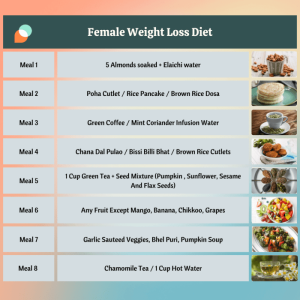
Weight Management Diets
Achieving and maintaining a healthy weight involves a multifaceted approach that goes beyond simply restricting calories. Successful weight management requires understanding different strategies, personalizing a plan, and incorporating lifestyle changes that are sustainable in the long term. This section explores various weight management approaches, the importance of a personalized plan, and the role of exercise and professional guidance.
Comparison of Weight Management Approaches
Different weight management strategies exist, each with its own advantages and disadvantages. Understanding these differences can help individuals choose the approach best suited to their needs and lifestyle.
| Diet Type | Method | Pros | Cons |
|---|---|---|---|
| Calorie Restriction | Reducing daily caloric intake below expenditure. | Effective for weight loss; relatively simple to understand. | Can lead to nutrient deficiencies if not planned carefully; may be difficult to sustain long-term; can increase hunger and cravings. |
| Portion Control | Eating smaller portions of food at each meal. | Helps manage calorie intake without drastically altering diet; promotes mindful eating habits. | Requires careful attention to serving sizes; may not be effective on its own without other lifestyle changes. |
| Mindful Eating | Paying close attention to hunger and fullness cues; eating slowly and savoring food. | Increases awareness of eating habits; can help reduce overeating; improves the enjoyment of food. | Requires significant self-awareness and practice; may not be sufficient for significant weight loss on its own. |
Creating a Sustainable and Personalized Weight Management Plan
A successful weight management plan is not a “one-size-fits-all” solution. Individual needs, preferences, and lifestyles vary greatly. A personalized plan should consider factors such as dietary restrictions, food allergies, activity levels, and personal goals. For example, a plan for a vegetarian athlete will differ significantly from that of a sedentary individual with diabetes. Sustainability is key; the plan should be adaptable to daily life and not overly restrictive to avoid burnout and relapse.
The Role of Exercise in Weight Management
Exercise plays a crucial role in weight management, complementing dietary changes. Physical activity helps burn calories, improve metabolism, build muscle mass, and enhance overall health. A balanced exercise program should include both cardiovascular activities (like running, swimming, or cycling) and strength training to build and maintain muscle mass. Muscle tissue burns more calories at rest than fat tissue, contributing to long-term weight management.
For example, incorporating 30 minutes of moderate-intensity exercise most days of the week can significantly contribute to weight loss and maintenance.
Overcoming Common Weight Loss Challenges
Weight loss journeys often encounter obstacles. Common challenges include cravings, lack of motivation, social situations involving food, and emotional eating. Strategies to overcome these include planning meals and snacks in advance, seeking support from friends or family, finding healthy substitutes for unhealthy cravings, practicing stress management techniques, and focusing on non-scale victories (e.g., improved energy levels, better sleep).
For example, keeping a food journal can help identify triggers for emotional eating and improve self-awareness.
Seeking Professional Guidance for Weight Management
Registered dietitians and healthcare professionals can provide personalized guidance and support for weight management. They can help develop a safe and effective plan tailored to individual needs, address underlying health conditions that may affect weight, and monitor progress. Professional guidance is especially important for individuals with pre-existing health conditions, such as diabetes or heart disease, or those struggling to lose weight on their own.
They can also offer strategies for maintaining weight loss long-term.
Ultimately, eating healthy on a budget is less about deprivation and more about mindful choices. By embracing smart shopping techniques, mastering basic cooking skills, and prioritizing whole, unprocessed foods, you can create a nutritious and satisfying diet that fits your lifestyle and budget. Remember, small changes can make a big difference in your health and your finances. Take control of your food choices and embark on this rewarding journey towards a healthier, happier you!
Top FAQs
Can I still eat out occasionally on a budget?
Yes, plan for occasional treats by allocating a small amount in your budget. Look for deals and happy hour specials.
How do I handle cravings for unhealthy foods?
Identify your triggers and find healthier alternatives. For example, swap chips for air-popped popcorn or satisfy a sweet craving with fruit.
What if I don’t have much time to cook?
Prepare larger batches on weekends and freeze portions for quick meals during the week. Utilize simple recipes with minimal prep time.
Are there any apps or websites that can help with meal planning and grocery shopping?
Yes, many apps offer meal planning tools, grocery lists, and recipe suggestions based on your dietary needs and budget.