Common Intermittent Fasting Mistakes

Common intermittent fasting mistakes are surprisingly common, even among seasoned practitioners. Understanding these pitfalls is crucial for maximizing the benefits and minimizing the risks of this popular dietary approach. This guide delves into frequently made errors, from neglecting individual needs to making poor food choices during eating windows, offering practical advice to ensure a safe and effective intermittent fasting journey.
Intermittent fasting, while offering potential weight management and health benefits, requires careful planning and consideration. Ignoring individual needs, making improper food choices, or neglecting hydration and exercise can negate its positive effects and even lead to adverse consequences. This exploration aims to equip readers with the knowledge to avoid common mistakes and optimize their intermittent fasting experience.
Vegan and Vegetarian Diets within Intermittent Fasting
Intermittent fasting (IF) can be successfully integrated into vegan and vegetarian diets, but requires careful planning to ensure adequate nutrient intake. The restricted eating window necessitates a higher concentration of nutrients in the meals consumed, particularly given the potential challenges of obtaining sufficient protein, iron, vitamin B12, and omega-3 fatty acids on a plant-based diet. Successful implementation depends on mindful meal preparation and a solid understanding of nutritional needs.The nutritional considerations for vegans and vegetarians undertaking intermittent fasting center around maximizing nutrient density during their eating window.
Since the time available for eating is limited, meals must be carefully planned to provide sufficient calories, macronutrients (protein, carbohydrates, and fats), and micronutrients (vitamins and minerals). For example, vegans must ensure adequate intake of vitamin B12, often requiring supplementation, and vegetarians need to pay close attention to their iron intake, choosing iron-rich plant sources and potentially considering a supplement.
Omega-3 fatty acids, usually abundant in fish for non-vegetarians, require strategic inclusion of foods like flaxseeds, chia seeds, or walnuts in vegan and vegetarian IF plans. Protein intake is another key concern, necessitating the inclusion of protein-rich foods such as legumes, tofu, tempeh, quinoa, and nuts.
Suitable Vegan and Vegetarian Meals for Intermittent Fasting
A well-planned vegan or vegetarian intermittent fasting regimen incorporates meals rich in nutrients. These meals should provide a balance of complex carbohydrates for sustained energy, healthy fats for satiety and nutrient absorption, and sufficient protein to support muscle mass and overall health. Examples of suitable meals include large salads incorporating a variety of vegetables, legumes (like chickpeas or lentils), and a source of healthy fats (like avocado or nuts).
Another option is a hearty bowl of quinoa or brown rice combined with roasted vegetables and tofu or tempeh. Smoothies packed with fruits, vegetables, protein powder (pea, soy, or brown rice based), and seeds can be a convenient and nutrient-rich option. It’s important to prioritize whole, unprocessed foods to maximize nutrient density and fiber content, contributing to satiety and blood sugar control.
Keto and Low-Carb Diets combined with Intermittent Fasting
Combining a ketogenic or low-carb diet with intermittent fasting (IF) is a popular approach for weight loss and other health benefits. This strategy leverages the metabolic effects of both dietary approaches to potentially enhance their individual impacts. However, it’s crucial to understand both the advantages and potential drawbacks before embarking on this combined regimen.This combination works by restricting both carbohydrate intake and the eating window.
Ketogenic diets force the body into ketosis, utilizing fat as the primary fuel source. Intermittent fasting, by creating periods of caloric restriction, further enhances this fat-burning process and may amplify the benefits of ketosis.
Benefits of Combining Keto and Intermittent Fasting
The synergistic effects of keto and IF can lead to significant weight loss. By limiting carbohydrate intake and restricting the eating window, the body is more likely to tap into stored fat for energy. This can lead to more rapid and substantial weight loss compared to either diet alone. Additionally, some studies suggest that this combination may improve markers of metabolic health, such as blood sugar control and cholesterol levels.
The reduced insulin response associated with both keto and IF contributes to these potential benefits. Furthermore, anecdotal evidence suggests improved mental clarity and increased energy levels in some individuals. However, individual experiences can vary significantly.
Challenges of Combining Keto and Intermittent Fasting
The combined approach can be challenging to maintain long-term due to its restrictive nature. The initial adaptation period to ketosis can be difficult, often involving symptoms like headaches, fatigue, and constipation (the “keto flu”). Restricting both food intake and macronutrients can also lead to nutrient deficiencies if not carefully planned. The highly restrictive nature of this combined approach can make it unsustainable for some individuals, leading to potential rebound weight gain upon cessation.
Moreover, social situations and adherence to the dietary plan can prove challenging for many.
Potential Risks and Precautions
The combination of keto and IF carries potential risks, particularly for individuals with pre-existing health conditions. Individuals with kidney or liver problems should exercise extreme caution, as ketogenic diets can place extra strain on these organs. Similarly, those with a history of eating disorders should avoid this restrictive approach. Electrolyte imbalances are a common concern with keto diets, and IF can exacerbate this risk.
Therefore, adequate electrolyte intake (sodium, potassium, magnesium) is crucial. Furthermore, the potential for nutrient deficiencies necessitates careful meal planning and potential supplementation under the guidance of a healthcare professional. Regular monitoring of blood glucose and ketone levels is recommended, particularly during the initial adaptation phase. Finally, it is essential to consult with a doctor or registered dietitian before embarking on this combined approach to ensure it’s appropriate for individual health circumstances and to minimize potential risks.
Superfoods and Supplements in Relation to Intermittent Fasting: Common Intermittent Fasting Mistakes
Intermittent fasting (IF) is a dietary pattern that cycles between periods of eating and voluntary fasting on a regular schedule. While IF itself can offer various health benefits, incorporating specific foods and supplements can potentially enhance these effects or mitigate potential drawbacks. However, it’s crucial to approach this with caution and informed decision-making, as not all supplements are beneficial during IF, and some may even be detrimental.The role of superfoods within an intermittent fasting regimen centers on maximizing nutrient intake during eating windows.
Superfoods, generally nutrient-dense foods packed with antioxidants, vitamins, and minerals, can help support overall health and well-being, potentially offsetting some of the challenges associated with caloric restriction. However, it is important to remember that the term “superfood” is not a scientifically defined category, and the benefits are often exaggerated. The focus should remain on a balanced and varied diet, rich in whole foods, rather than relying on a few specific items.
Superfoods and Their Potential Benefits During Intermittent Fasting
Consuming nutrient-rich foods during your eating window is key to successfully navigating intermittent fasting. Prioritizing foods rich in antioxidants, fiber, and healthy fats can help to reduce feelings of hunger and support energy levels throughout the fasting period. Examples include berries (rich in antioxidants), leafy greens (packed with vitamins and minerals), avocados (healthy fats and fiber), and nuts and seeds (healthy fats and protein).
These foods offer sustained energy release, helping to prevent blood sugar crashes and maintain satiety. It is important to note that the benefits are primarily derived from the overall healthy dietary pattern, and not necessarily from attributing “superfood” status to individual items.
Potential Benefits and Risks of Supplements During Intermittent Fasting, Common intermittent fasting mistakes
The use of supplements during intermittent fasting is a complex issue. While some supplements might offer potential benefits, others can interact negatively with fasting, or simply be unnecessary. For instance, some individuals might use electrolytes to mitigate potential side effects like headaches or fatigue, especially during the initial adaptation phase. However, excessive supplementation can lead to imbalances and adverse effects.
Furthermore, the absorption and efficacy of certain supplements might be affected by the fasting state.
Electrolyte Supplementation During Intermittent Fasting
Electrolyte imbalances, particularly sodium and potassium depletion, can occur during prolonged fasting. These imbalances can manifest as headaches, fatigue, dizziness, and muscle cramps. Electrolyte supplements, such as those containing sodium, potassium, magnesium, and chloride, can help to prevent or alleviate these symptoms. However, it’s essential to consume electrolytes in moderation and consult a healthcare professional to determine the appropriate dosage, especially if you have underlying health conditions.
Relying on whole food sources of electrolytes, like coconut water or bone broth (during the eating window), should be the first approach, with supplementation reserved for cases of severe deficiency.
Intermittent Fasting Guides and Resources
Navigating the world of intermittent fasting can be challenging due to the sheer volume of information available. It’s crucial to distinguish credible sources from unreliable ones to ensure your approach is safe and effective. This section provides a curated list of reliable resources to aid your journey. Remember that individual needs vary, and consulting a healthcare professional before starting any new diet is always recommended.Finding accurate and unbiased information about intermittent fasting is key to a successful and safe experience.
Many resources online offer conflicting advice, so careful selection is crucial. The resources listed below represent a balanced mix of scientific research, practical guides, and community support.
Reliable Websites and Organizations
This section highlights websites and organizations known for their evidence-based information and commitment to accurate health advice. They often feature articles written by medical professionals or researchers specializing in nutrition and fasting.
- National Institutes of Health (NIH): The NIH website offers access to a vast library of research articles and studies on various health topics, including intermittent fasting. Their information is rigorously reviewed and considered highly reliable.
- Mayo Clinic: The Mayo Clinic provides comprehensive and well-researched information on a wide range of health subjects, including dietary approaches such as intermittent fasting. They offer balanced perspectives and emphasize the importance of consulting with healthcare professionals.
- Cleveland Clinic: Similar to the Mayo Clinic, the Cleveland Clinic offers reliable health information based on scientific evidence. Their articles on intermittent fasting often include practical advice and considerations for different individuals.
Books on Intermittent Fasting
Several books offer detailed explanations and practical guidance on implementing intermittent fasting. These books often include meal plans, recipes, and tips for managing potential challenges. Always choose books written by reputable authors with relevant credentials in nutrition or related fields.
- “The Complete Guide to Fasting” by Dr. Jason Fung: This book provides a comprehensive overview of fasting, including various methods and their potential benefits and risks. It delves into the science behind fasting and offers practical advice.
- “The Obesity Code” by Dr. Jason Fung: This book explores the role of insulin in weight management and how intermittent fasting can help regulate insulin levels. It offers a different perspective on weight loss and metabolic health.
Apps and Tracking Tools
Several apps are designed to help individuals track their eating windows, monitor progress, and stay motivated. These tools can be helpful, but it’s important to remember that they are supplementary and should not replace professional guidance.
- Zero: This app provides a simple and user-friendly interface for tracking fasting periods and meal times. It offers various features to support users on their intermittent fasting journey.
- Fastic: Fastic is another popular app that helps users track their fasting progress and provides educational resources on intermittent fasting.
Nutrition for Athletes and Intermittent Fasting
Intermittent fasting (IF) is gaining popularity, but its compatibility with athletic training requires careful consideration. Athletes have unique nutritional needs due to the high energy demands of their training and competition. Successfully integrating IF into an athlete’s routine necessitates a well-planned approach that prioritizes adequate energy intake, nutrient timing, and overall health. Failing to account for these factors can negatively impact performance and recovery.The key to successful intermittent fasting for athletes lies in strategic nutrient timing and sufficient caloric intake.
Athletes need to ensure they consume enough calories to support their training volume and intensity, even within a restricted eating window. The timing of nutrient intake should be aligned with training schedules, prioritizing carbohydrate consumption before and after intense workouts to replenish glycogen stores and promote muscle recovery. Protein intake remains crucial for muscle protein synthesis, and sufficient fats should be included for hormone production and overall health.
The specific macronutrient ratios will vary depending on the type of athletic activity and individual needs.
Meal Planning for Endurance Athletes
Endurance athletes, such as marathon runners or cyclists, require a high carbohydrate intake to fuel prolonged exercise. A sample meal plan might involve a larger, carbohydrate-rich meal immediately after a long training session, focusing on easily digestible sources like sweet potatoes, brown rice, or quinoa, combined with lean protein and healthy fats. During their eating window, they would prioritize complex carbohydrates throughout the day, with smaller meals spaced evenly.
The timing of their eating window should be adjusted to coincide with their training schedule, ensuring adequate glycogen stores are available for workouts. An example could include a post-workout meal of 1.5 cups of quinoa with 4oz grilled chicken and a handful of almonds within an hour of finishing their run, followed by a smaller meal of fruit and yogurt later in the day.
Meal Planning for Strength Athletes
Strength athletes, such as weightlifters or powerlifters, need to prioritize protein intake for muscle growth and repair. Their meal plan should incorporate high-protein sources such as lean meats, fish, eggs, and legumes. Carbohydrates are still important for energy, but the focus shifts towards optimizing protein intake. A sample meal plan might involve a protein-rich breakfast with eggs and whole-wheat toast within their eating window, followed by a larger meal post-workout consisting of chicken breast, brown rice, and broccoli.
They may choose to distribute their protein intake more evenly throughout their eating window to support continuous muscle protein synthesis. A strength athlete could consume a protein shake immediately after a weightlifting session, followed by a larger meal of lean steak and sweet potatoes a few hours later.
Considerations for Different Training Intensities
The intensity and duration of training significantly influence nutritional needs. Higher intensity and longer duration training sessions require a greater energy expenditure, necessitating a higher overall caloric intake and strategic carbohydrate timing. Athletes engaging in less intense training might be able to successfully implement longer fasting periods, provided their overall calorie and macronutrient targets are met. For example, a professional athlete training for an Olympic event will require a significantly different nutritional strategy than a recreational athlete training a few times a week.
Individualized planning based on training volume, intensity, and recovery needs is essential.
Gut Health and Nutrition while Intermittent Fasting
Intermittent fasting (IF) has gained popularity as a weight management and health optimization strategy. However, its impact on the gut microbiome, a complex ecosystem of bacteria, fungi, and other microorganisms residing in the digestive tract, is a crucial consideration. Understanding how IF affects gut health and implementing appropriate dietary strategies is vital for maximizing the benefits and minimizing potential drawbacks.The impact of intermittent fasting on gut health is multifaceted and not fully understood.
While some studies suggest potential benefits, such as increased short-chain fatty acid (SCFA) production, others raise concerns about potential disruptions to the microbiome’s composition and function. The effect of IF on gut health appears to depend on various factors, including the type of IF protocol employed, individual gut microbiome composition, overall dietary intake, and pre-existing health conditions. For example, prolonged periods of fasting may lead to temporary shifts in the gut microbiome, potentially reducing the diversity of beneficial bacteria.
However, these changes are often temporary and may reverse upon the resumption of normal eating patterns. The impact of IF also varies depending on the individual’s gut microbiome and overall health status.
Short-Chain Fatty Acid Production and Gut Health
Short-chain fatty acids (SCFAs), such as acetate, propionate, and butyrate, are produced by the fermentation of indigestible fibers by gut bacteria. These SCFAs play crucial roles in gut health, including maintaining gut barrier integrity, reducing inflammation, and providing energy to colonocytes (cells lining the colon). Some research suggests that intermittent fasting may increase SCFA production, potentially contributing to improved gut health.
This increase may result from a greater abundance of fiber-fermenting bacteria in the gut following periods of fasting. The increased SCFA production, in turn, leads to improved gut barrier function and reduced inflammation, which are essential for overall digestive health. For instance, a study could show a significant increase in butyrate levels after a period of intermittent fasting in participants consuming a high-fiber diet.
Dietary Recommendations for Maintaining Gut Microbiome Health During Intermittent Fasting
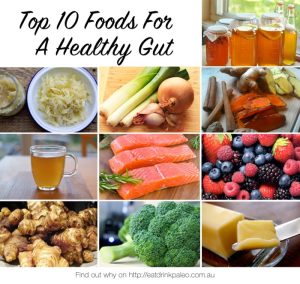
Maintaining a healthy gut microbiome during intermittent fasting requires careful consideration of dietary choices during the eating window. Prioritizing nutrient-dense foods rich in prebiotics and probiotics is essential.Prebiotics are non-digestible food ingredients that promote the growth of beneficial bacteria in the gut. Examples include inulin, fructooligosaccharides (FOS), and resistant starch found in foods like bananas, onions, garlic, and whole grains.
Including these foods in your eating window can help maintain a balanced gut microbiome during periods of fasting. Probiotics are live microorganisms that confer health benefits when consumed. These are found in fermented foods like yogurt, kefir, sauerkraut, and kimchi. Incorporating probiotic-rich foods into your eating window can help replenish beneficial bacteria potentially lost during fasting periods.It is also important to consume a diverse range of fruits, vegetables, and whole grains to provide a wide spectrum of nutrients and support a healthy gut microbiome.
The diversity of nutrients helps to sustain a variety of gut bacteria, leading to a healthier and more resilient microbiome.
Potential Negative Impacts and Mitigation Strategies
While intermittent fasting offers potential benefits, some individuals may experience negative impacts on gut health, such as digestive discomfort, including bloating, constipation, or diarrhea. These issues are often associated with rapid changes in eating patterns or insufficient dietary fiber intake. To mitigate these potential problems, it’s crucial to gradually implement intermittent fasting, ensuring adequate hydration, and focusing on a balanced diet rich in fiber during the eating window.
Furthermore, paying attention to individual tolerance and adjusting the fasting schedule as needed is essential. For example, if someone experiences digestive issues, they might need to shorten their fasting window or choose a different intermittent fasting method.
Healthy Eating on a Budget with Intermittent Fasting
Intermittent fasting doesn’t have to break the bank. By focusing on affordable, nutrient-rich whole foods and smart shopping strategies, you can easily maintain a healthy and satisfying eating plan while sticking to your fasting schedule. This approach emphasizes maximizing the nutritional value of your eating window, ensuring you get the most from your calories.Many believe that healthy eating necessitates expensive, exotic ingredients.
However, this is a misconception. A budget-friendly approach to intermittent fasting prioritizes staples like fruits, vegetables, legumes, and whole grains, which are readily available and significantly cheaper than processed foods. Planning your meals carefully and utilizing smart shopping techniques can further minimize costs.
Affordable and Nutritious Meal Examples
The key to affordable intermittent fasting is planning meals around inexpensive, nutrient-dense foods. These meals are designed to be satisfying and provide sustained energy throughout your eating window.
- Breakfast (or early eating window meal): Oatmeal with berries and nuts. Oatmeal is a cheap source of fiber, berries are packed with antioxidants (especially when in season), and a small amount of nuts provides healthy fats. This combination provides sustained energy to start your day.
- Lunch (or later eating window meal): Lentil soup with whole-wheat bread. Lentils are a fantastic source of protein and fiber, and are incredibly inexpensive. Homemade soup is significantly cheaper than pre-made options. Whole-wheat bread adds carbohydrates for energy.
- Dinner (or main eating window meal): Chickpea curry with brown rice. Chickpeas are a cheap and versatile source of protein and fiber. Brown rice provides complex carbohydrates. Spices can be added for flavor without significantly increasing cost.
Budget-Friendly Shopping Strategies
Strategic shopping is crucial for healthy eating on a budget.
- Plan your meals: Creating a weekly meal plan helps prevent impulse purchases and ensures you buy only what you need. This minimizes food waste, a significant contributor to higher grocery bills.
- Buy in bulk: Purchasing staples like rice, beans, and oats in bulk often reduces the per-unit cost, significantly impacting your overall budget.
- Cook at home: Preparing meals at home is considerably cheaper than eating out or relying on processed convenience foods. It also allows for greater control over ingredients and portion sizes.
- Utilize seasonal produce: Fruits and vegetables that are in season are typically cheaper and taste better. Check your local farmer’s markets for the best deals.
- Compare prices: Don’t be afraid to compare prices between different stores and brands to find the best value for your money.
Successfully navigating the world of intermittent fasting hinges on avoiding common pitfalls and tailoring the approach to individual needs. By understanding the importance of proper planning, mindful food choices, sufficient hydration, and realistic expectations, individuals can harness the potential benefits of intermittent fasting while mitigating risks. Remember, consistency and mindful adjustments are key to long-term success and a healthier lifestyle.
Frequently Asked Questions
Can I exercise while intermittent fasting?
Yes, but adjust your intensity and timing based on your fasting schedule. Listen to your body and avoid overly strenuous workouts during fasting periods.
What if I feel very hungry during my fasting window?
Drink plenty of water, unsweetened tea, or black coffee. Distract yourself with activities. If hunger is severe, consider adjusting your fasting window.
Is intermittent fasting safe for everyone?
No, it’s not suitable for everyone, particularly those with certain medical conditions (e.g., diabetes, eating disorders). Consult your doctor before starting.
How long does it take to see results from intermittent fasting?
Results vary greatly depending on individual factors. Some people see changes within weeks, while others may take longer. Consistency is key.