Best Weight Loss Diets A Comprehensive Guide
Best weight loss diets are a hot topic, and for good reason! Finding a plan that works for your lifestyle and health goals can feel overwhelming, with countless options promising quick fixes. This guide cuts through the noise, exploring various approaches—from vegan and keto to intermittent fasting—and highlighting their benefits, drawbacks, and practical implementation. We’ll emphasize sustainable strategies for long-term weight management and debunk common myths surrounding weight loss.
Ultimately, our goal is to empower you with the knowledge to make informed choices about your health journey.
We’ll delve into healthy recipes, cooking techniques, and meal planning to make healthy eating both enjoyable and achievable. We’ll also discuss the crucial role of gut health, the nutritional needs of athletes, and how to manage energy levels while losing weight. Whether you’re a seasoned dieter or just starting, this comprehensive guide offers valuable insights and actionable steps to help you achieve your weight loss goals responsibly and sustainably.
Introduction to Weight Loss Diets
Losing weight effectively and safely requires a comprehensive understanding of various approaches and a commitment to a sustainable lifestyle change. Numerous weight loss diets exist, each with its own set of principles and potential benefits and drawbacks. These range from low-carbohydrate diets like ketogenic diets, which emphasize fat consumption and restrict carbohydrates, to low-fat diets that prioritize fruits, vegetables, and lean proteins, limiting fat intake.
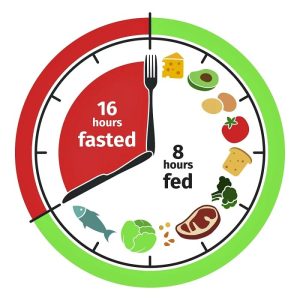
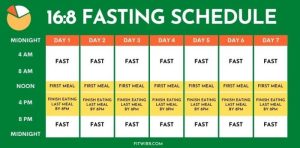
Other popular approaches include intermittent fasting, which involves cycling between periods of eating and voluntary fasting, and balanced calorie-controlled diets that focus on mindful eating and portion control. The effectiveness of each diet varies depending on individual factors like metabolism, genetics, and adherence to the plan.The importance of consulting a healthcare professional before embarking on any weight loss journey cannot be overstated.
A doctor or registered dietitian can assess your individual health status, identify potential risks, and help you choose a diet plan that aligns with your specific needs and health goals. They can also monitor your progress and make adjustments as needed, ensuring your safety and well-being throughout the weight loss process. This personalized approach is crucial, as a diet suitable for one person might be harmful or ineffective for another.
Ignoring this advice can lead to nutritional deficiencies, metabolic imbalances, or other health complications.
Common Misconceptions Surrounding Weight Loss Diets
Many misconceptions surround weight loss diets, often leading to frustration and ineffective weight management strategies. For example, the belief that rapid weight loss is always best is a common fallacy. While rapid initial weight loss might be tempting, it is often unsustainable and can lead to muscle loss and metabolic slowdown. Sustainable weight loss, typically 1-2 pounds per week, is generally healthier and more likely to result in long-term success.
Another misconception involves the belief that specific foods are inherently “good” or “bad.” A balanced approach that includes a variety of nutrient-rich foods is far more effective than restrictive diets that eliminate entire food groups. Finally, the idea that weight loss is solely about calorie restriction is also misleading. Regular exercise plays a crucial role in weight management, improving overall health and contributing to long-term weight maintenance.
A holistic approach encompassing diet and exercise is significantly more effective than focusing solely on one aspect.
Healthy Recipes and Cooking Tips
Embarking on a weight loss journey often involves careful consideration of what we eat. This section focuses on providing delicious, budget-friendly recipes and practical cooking techniques to maximize nutritional value and support your weight loss goals. By incorporating these strategies, you can enjoy satisfying meals without compromising your health or your wallet.
Budget-Friendly Weight Loss Recipes
Creating healthy meals doesn’t have to be expensive. The following recipes offer delicious and nutritious options that are easy on the budget. Portion control remains crucial for weight management, regardless of the recipe’s inherent caloric content.
| Recipe Name | Ingredients | Instructions (Summary) | Approximate Calories (per serving) |
|---|---|---|---|
| Lentil Soup | Lentils, carrots, celery, onion, vegetable broth, spices | Sauté vegetables, add lentils and broth, simmer until lentils are tender. | 250 |
| Chicken and Vegetable Stir-fry | Chicken breast, broccoli, bell peppers, soy sauce (low sodium), brown rice | Stir-fry chicken and vegetables, serve over brown rice. | 350 |
| Baked Salmon with Roasted Vegetables | Salmon fillet, asparagus, broccoli, lemon juice, olive oil | Roast vegetables and salmon together in the oven. | 400 |
| Black Bean Burgers | Black beans, oats, onion, spices, whole-wheat bun | Mash beans, combine with other ingredients, form patties, bake or pan-fry. | 300 |
| Quinoa Salad with Chickpeas and Feta | Quinoa, chickpeas, cucumber, tomatoes, feta cheese, lemon vinaigrette | Cook quinoa, combine with other ingredients. | 380 |
Simple Cooking Techniques to Enhance Nutritional Value
These cooking methods help retain nutrients and enhance the flavor of your meals, making healthy eating more enjoyable.
Proper cooking techniques are vital for preserving the nutritional integrity of ingredients. Overcooking can destroy vitamins and minerals, diminishing the health benefits of your food.
- Steaming: Steaming vegetables preserves their vitamins and minerals, resulting in a healthier and more nutritious meal. The gentle heat avoids overcooking and maintains the vibrant colors and crisp texture of the vegetables.
- Roasting: Roasting vegetables brings out their natural sweetness and intensifies their flavors. The high heat caramelizes the sugars, creating a delicious and appealing dish.
- Grilling: Grilling adds a smoky flavor to meats and vegetables. It’s a relatively healthy cooking method as excess fat drips away.
- Baking: Baking is a versatile method suitable for both meats and vegetables. It allows for even cooking and helps retain moisture.
- Sautéing: Sautéing vegetables in a small amount of olive oil is a quick and easy way to prepare a healthy side dish. It’s crucial to avoid overcooking to preserve nutrients.
Weekly Meal Plan Incorporating Recipes and Techniques
This sample meal plan utilizes the recipes and cooking techniques described above. Remember to adjust portion sizes to meet your individual caloric needs.
This meal plan provides a framework. Feel free to swap meals around to suit your preferences and schedule. The key is consistency and incorporating a variety of nutritious foods.
| Day | Breakfast | Lunch | Dinner |
|---|---|---|---|
| Monday | Oatmeal with berries | Lentil Soup | Baked Salmon with Roasted Vegetables |
| Tuesday | Greek Yogurt with fruit | Chicken and Vegetable Stir-fry (leftovers) | Black Bean Burgers on whole-wheat buns with a side salad |
| Wednesday | Scrambled eggs with spinach | Quinoa Salad with Chickpeas and Feta | Lentil Soup (leftovers) |
| Thursday | Smoothie with fruits and vegetables | Chicken and Vegetable Stir-fry | Baked Salmon with Roasted Vegetables (leftovers) |
| Friday | Whole-wheat toast with avocado | Leftovers | Chicken and Vegetable Stir-fry |
| Saturday | Pancakes (whole wheat) with fruit | Salad with grilled chicken | Black Bean Burgers |
| Sunday | Omelette with vegetables | Leftovers | Quinoa Salad with Chickpeas and Feta |
Vegan and Vegetarian Diets for Weight Loss: Best Weight Loss Diets
Adopting a vegan or vegetarian diet can be a powerful tool for weight management, offering numerous health benefits alongside potential challenges. These dietary approaches often emphasize whole, unprocessed foods, naturally leading to a reduction in calorie intake and an increase in nutrient density. However, careful planning and mindful consumption are crucial for success.Plant-based diets are frequently associated with lower body weight and a reduced risk of obesity, type 2 diabetes, and heart disease.
This is largely due to the higher fiber content, which promotes satiety and regulates blood sugar levels, and the lower intake of saturated fat and cholesterol commonly found in animal products. However, the transition to a vegetarian or vegan diet requires careful consideration of nutrient intake to avoid deficiencies.
Types of Vegetarian and Vegan Diets
Several variations exist within vegetarian and vegan dietary patterns, each with its own set of nutritional implications. Understanding these differences is key to choosing the approach best suited to individual needs and preferences.
- Lacto-ovo vegetarian: This diet excludes meat, poultry, and seafood but includes dairy products (milk, cheese, yogurt) and eggs. It offers a relatively easier transition for those new to plant-based eating, as it provides readily available sources of protein and other essential nutrients.
- Lacto-vegetarian: This diet excludes meat, poultry, seafood, and eggs, but includes dairy products. It requires more careful planning to ensure sufficient protein and iron intake.
- Ovo-vegetarian: This diet excludes meat, poultry, seafood, and dairy products, but includes eggs. Similar to lacto-vegetarian, careful planning is needed to ensure a balanced nutrient profile.
- Vegan: This diet excludes all animal products, including meat, poultry, seafood, dairy, eggs, and honey. It presents the greatest challenge in terms of nutrient planning, requiring careful attention to vitamin B12, iron, calcium, and omega-3 fatty acids.
Sample Vegan Meal Plan
This sample vegan meal plan provides a balanced intake of macronutrients and micronutrients, demonstrating the feasibility of weight loss on a vegan diet. Remember that portion sizes should be adjusted based on individual caloric needs and activity levels.
| Day | Breakfast | Lunch | Dinner |
|---|---|---|---|
| Monday | Oatmeal with berries and nuts | Lentil soup with whole-wheat bread | Tofu stir-fry with brown rice |
| Tuesday | Smoothie with spinach, banana, and almond milk | Quinoa salad with chickpeas and vegetables | Black bean burgers on whole-wheat buns |
| Wednesday | Tofu scramble with vegetables | Vegan chili with cornbread | Lentil and vegetable curry with brown rice |
| Thursday | Peanut butter and banana sandwich on whole-wheat bread | Salad with roasted vegetables and chickpeas | Pasta with marinara sauce and vegetables |
| Friday | Breakfast burrito with tofu, beans, and vegetables | Leftover lentil and vegetable curry | Vegan pizza with whole-wheat crust |
| Saturday | Pancakes made with whole-wheat flour and plant-based milk | Buddha bowl with quinoa, roasted sweet potatoes, and avocado | Vegetable and tofu skewers with couscous |
| Sunday | Vegan waffles with fruit and maple syrup | Leftover vegan pizza | Roasted vegetables with chickpeas and tahini dressing |
Recipes: Simple Vegan Options
Tofu Scramble: Crumble firm tofu and sauté with chopped onions, peppers, and spinach. Season with turmeric for color and nutritional benefits. Lentil Soup: Sauté onions, carrots, and celery. Add red lentils, vegetable broth, diced tomatoes, and spices (cumin, coriander). Simmer until lentils are tender.
Black Bean Burgers: Mash black beans with breadcrumbs, chopped onions, garlic, and spices. Form into patties and bake or pan-fry.
Keto and Low-Carb Diets
Ketogenic and low-carb diets have gained significant popularity as weight-loss strategies. They share the common principle of drastically reducing carbohydrate intake, forcing the body to utilize stored fat for energy instead of glucose. This metabolic shift, known as ketosis, leads to weight loss and can offer other potential health benefits. However, it’s crucial to understand both the advantages and potential drawbacks before embarking on such a diet.Ketogenic diets typically restrict carbohydrate intake to 20-50 grams per day, while low-carb diets allow for a slightly higher intake, generally ranging from 50-150 grams daily.
The primary focus remains on increasing the consumption of healthy fats and moderate protein intake. This macronutrient ratio shift is the cornerstone of these diets’ effectiveness.
Principles of Ketogenic and Low-Carb Diets
The fundamental principle behind both ketogenic and low-carb diets is the manipulation of the body’s metabolic processes. By severely limiting carbohydrates, the body depletes its glycogen stores (stored glucose). This triggers a metabolic shift where the liver begins to produce ketones from stored fat, providing an alternative energy source. This state, known as ketosis, is characterized by a reduction in blood glucose levels and an increase in ketone bodies in the blood.
This process is the driving force behind weight loss on these diets. The precise macronutrient ratios vary depending on individual needs and goals, but generally involve a high fat percentage (70-80%), moderate protein (20-25%), and very low carbohydrate (5-10%) intake for ketogenic diets. Low-carb diets offer more flexibility, but still prioritize fat and protein over carbohydrates.
Potential Benefits of Ketogenic and Low-Carb Diets
Several studies suggest potential benefits beyond weight loss. These include improved blood sugar control in individuals with type 2 diabetes, reduced triglyceride levels, and increased HDL (“good”) cholesterol. Some individuals also report increased energy levels and improved mental clarity while adhering to these diets. However, it’s important to note that these benefits are not universally experienced, and individual responses can vary significantly.
Furthermore, the long-term effects of these diets are still under investigation. For example, a study published in the journal
Diabetes Care* showed that a ketogenic diet led to significant improvements in HbA1c levels (a marker of long-term blood sugar control) in individuals with type 2 diabetes.
Potential Risks of Ketogenic and Low-Carb Diets
The “keto flu,” characterized by symptoms such as headaches, fatigue, nausea, and constipation, is a common initial side effect as the body adapts to ketosis. Other potential risks include nutrient deficiencies if not carefully planned, kidney stones (due to increased protein intake), and an increased risk of cardiovascular disease if not combined with a healthy lifestyle that includes regular exercise.
Furthermore, some individuals may experience digestive issues like constipation or diarrhea. Long-term effects on heart health are still being studied, highlighting the need for careful monitoring and personalized dietary approaches. For example, a high saturated fat intake, common in some ketogenic diets, has been linked to an increased risk of heart disease in some studies.
Transitioning to a Keto or Low-Carb Diet Safely
A gradual transition is crucial to minimize the severity of the keto flu and other potential side effects. Begin by gradually reducing carbohydrate intake over several days or weeks, allowing the body to adapt more smoothly. Prioritize whole, unprocessed foods, including healthy fats like avocados, nuts, seeds, and olive oil; moderate protein sources like lean meats, fish, and eggs; and low-carb vegetables like leafy greens and broccoli.
Staying well-hydrated is also essential. Consult a healthcare professional or registered dietitian before starting any restrictive diet, especially if you have pre-existing health conditions. They can help create a personalized plan that addresses individual needs and health concerns, ensuring a safe and effective transition. A registered dietitian can also help monitor nutrient intake to prevent deficiencies.
Superfoods and Supplements for Weight Loss
Achieving and maintaining a healthy weight often involves a multifaceted approach encompassing diet, exercise, and potentially, the strategic incorporation of specific foods and supplements. While no magic bullet exists, certain foods boast exceptional nutritional profiles that can support weight management goals, and some supplements may offer additional benefits. Understanding their roles and limitations is crucial for making informed decisions.
Superfoods, rich in essential nutrients, can contribute to weight loss by boosting metabolism, promoting satiety, and supporting overall health. Conversely, weight-loss supplements, while potentially helpful for some, carry inherent risks and require careful consideration. This section explores both aspects, providing a balanced perspective.
Nutritional Properties of Five Superfoods and Their Role in Weight Management
The following superfoods, while not miracle cures, offer significant nutritional advantages that can aid in weight management through various mechanisms.
- Berries: Packed with antioxidants and fiber, berries promote satiety, helping to curb cravings and reduce overall calorie intake. The high fiber content also aids digestion and can contribute to a feeling of fullness. Examples include blueberries, strawberries, raspberries, and blackberries.
- Leafy Greens: Spinach, kale, and collard greens are low in calories and high in essential vitamins, minerals, and fiber. Their high nutrient density ensures you receive ample nutrition without excessive calorie consumption, supporting overall health and weight management. The fiber content contributes to feelings of fullness.
- Avocado: Despite its high fat content, avocado contains healthy monounsaturated fats that can contribute to satiety and help regulate blood sugar levels. These fats can also promote feelings of fullness, reducing the likelihood of overeating. The fiber content further supports this effect.
- Salmon: A rich source of protein and omega-3 fatty acids, salmon is beneficial for weight management. Protein aids in muscle building and satiety, while omega-3s have anti-inflammatory properties and may support metabolic health. The high protein content keeps you feeling fuller for longer.
- Almonds: These nuts are a good source of healthy fats, protein, and fiber. Their high fiber and protein content contributes to satiety, helping to control appetite and prevent overeating. However, portion control is important due to their calorie density.
Potential Benefits and Drawbacks of Using Weight-Loss Supplements
Weight-loss supplements represent a diverse market with varying degrees of efficacy and safety. Understanding both their potential benefits and drawbacks is essential for informed decision-making.
Potential benefits may include increased metabolism, appetite suppression, and fat burning. However, drawbacks can include potential side effects ranging from mild gastrointestinal discomfort to more serious health issues. Furthermore, the efficacy of many supplements lacks robust scientific evidence, and some may contain undisclosed or harmful ingredients. It’s crucial to consult a healthcare professional before using any weight-loss supplement.
Comparison of Different Types of Weight-Loss Supplements
Several categories of weight-loss supplements exist, each with its own purported mechanisms and potential side effects. Direct comparison requires caution, as scientific evidence supporting their efficacy varies widely.
| Supplement Type | Claimed Mechanism | Potential Benefits | Potential Drawbacks |
|---|---|---|---|
| Appetite Suppressants | Reduce hunger and food intake | Weight loss, improved satiety | Headache, insomnia, constipation, increased blood pressure |
| Fat Burners | Increase metabolism and fat oxidation | Increased energy expenditure, fat loss | Increased heart rate, anxiety, insomnia, digestive issues |
| Carb Blockers | Inhibit carbohydrate absorption | Reduced calorie intake from carbohydrates | Gas, bloating, diarrhea |
Note: This table provides a general overview. Individual responses to supplements vary significantly. Always consult a healthcare professional before using any weight-loss supplement.
Nutrition for Athletes and Weight Management
Balancing athletic performance with weight loss requires a carefully planned nutritional strategy. Athletes need sufficient energy to fuel training and competition, while simultaneously creating a calorie deficit to promote weight loss. This delicate balance necessitates a nuanced understanding of macronutrient intake, timing, and overall dietary quality. Ignoring nutritional needs can lead to decreased performance, injury, and ultimately, hinder weight loss goals.Athletes aiming for weight loss need to prioritize nutrient-dense foods while managing their overall caloric intake.
This approach ensures they receive the necessary vitamins, minerals, and antioxidants to support their training, recovery, and overall health, even while reducing their caloric intake. A restrictive diet lacking essential nutrients can lead to fatigue, muscle loss, and compromised immune function.
Macronutrient Distribution for Weight Loss in Athletes
The optimal macronutrient ratio for athletes aiming for weight loss varies depending on the individual’s sport, training intensity, and metabolic rate. However, a general guideline might involve a slightly higher proportion of protein to support muscle mass preservation during a calorie deficit, moderate carbohydrate intake to fuel training, and a lower proportion of healthy fats. A registered dietitian or sports nutritionist can help determine the most appropriate ratio for a specific athlete.
For example, a marathon runner might need a higher carbohydrate intake compared to a weightlifter who might benefit from a slightly higher protein intake.
Sample Meal Plan for a Weight-Loss Focused Athlete
This sample meal plan provides an example of how to balance calorie intake with nutrient needs for an athlete. It’s crucial to remember that individual needs vary greatly, and this is a general guideline only. Consultation with a registered dietitian or sports nutritionist is essential for personalized dietary planning.
| Meal | Food Items | Approximate Calories |
|---|---|---|
| Breakfast (7:00 AM) | Oatmeal with berries and a scoop of protein powder, a small banana | 400-450 |
| Mid-Morning Snack (10:00 AM) | Greek yogurt with a handful of almonds | 150-200 |
| Lunch (1:00 PM) | Grilled chicken salad with mixed greens, vegetables, and a light vinaigrette | 450-500 |
| Afternoon Snack (4:00 PM) | Apple slices with peanut butter | 200-250 |
| Dinner (7:00 PM) | Salmon with roasted vegetables and quinoa | 500-550 |
Hydration and Electrolyte Balance
Maintaining adequate hydration and electrolyte balance is crucial for athletic performance and weight management. Dehydration can significantly impair performance, leading to fatigue, muscle cramps, and reduced endurance. Electrolytes, such as sodium, potassium, magnesium, and chloride, are lost through sweat during exercise, and their depletion can lead to muscle weakness and fatigue. Replenishing fluids and electrolytes lost during training is vital for optimal performance and recovery, particularly during weight loss efforts.
Athletes should aim to drink plenty of water throughout the day, especially before, during, and after training. Electrolyte drinks or electrolyte tablets can be used to replenish lost electrolytes, especially during prolonged or intense training sessions. Ignoring hydration and electrolyte balance can lead to significant performance decrements and health risks.
Gut Health and Nutrition for Weight Loss
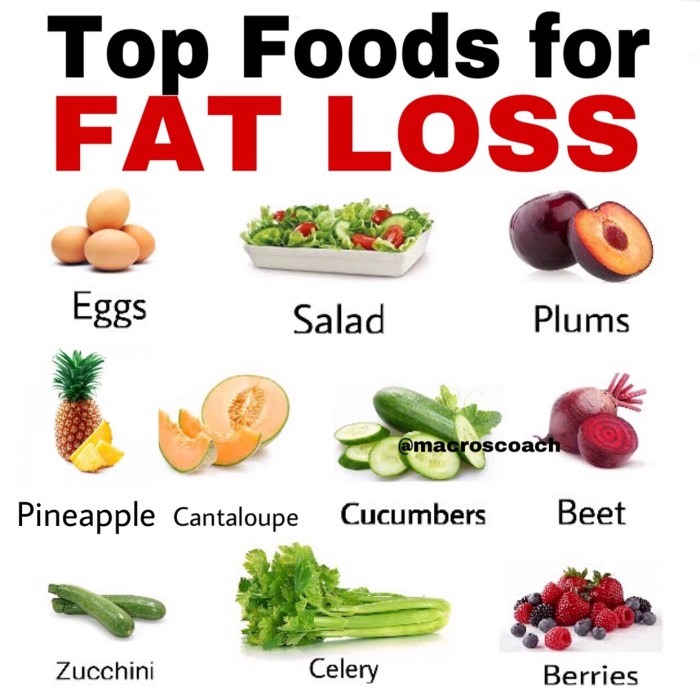
Maintaining a healthy gut microbiome is increasingly recognized as crucial for effective weight management. The trillions of bacteria residing in our digestive tract play a significant role in metabolism, nutrient absorption, and even the regulation of appetite hormones. An imbalance in this gut flora, known as dysbiosis, can contribute to weight gain and hinder weight loss efforts.The intricate relationship between gut health and weight is multifaceted.
A diverse and balanced gut microbiome facilitates efficient digestion and nutrient extraction, maximizing energy utilization and minimizing fat storage. Conversely, an unhealthy gut can lead to increased inflammation, impaired nutrient absorption, and hormonal imbalances that promote fat accumulation. Research suggests that individuals with obesity often exhibit a less diverse gut microbiota compared to those with healthy weights.
The Role of Probiotics and Prebiotics in Weight Loss
Probiotics are live microorganisms, primarily bacteria and yeasts, that, when consumed in adequate amounts, confer a health benefit to the host. They can help restore balance to the gut microbiome by replenishing beneficial bacteria. Numerous studies have investigated the impact of probiotics on weight management, with some showing promising results in reducing body fat and improving metabolic markers.
For example, certain strains of
- Lactobacillus* and
- Bifidobacterium* have been linked to increased satiety and reduced fat absorption.
Prebiotics, on the other hand, are non-digestible food ingredients that act as fuel for beneficial bacteria in the gut. They promote the growth and activity of probiotics, further enhancing gut health. Prebiotics are found naturally in many fruits, vegetables, and whole grains, such as bananas, onions, garlic, and oats. Increasing prebiotic intake can contribute to a more diverse and balanced gut microbiome, which in turn can support weight loss efforts.
The synergistic effect of probiotics and prebiotics is often highlighted, as prebiotics feed the probiotics, enhancing their beneficial effects.
A Dietary Plan Supporting Gut Health and Weight Loss
A diet designed to support gut health and promote weight loss should emphasize whole, unprocessed foods rich in fiber, prebiotics, and probiotics. This approach focuses on nourishing the beneficial bacteria in the gut while also providing the body with essential nutrients for optimal metabolic function. Here’s a sample dietary plan:
Breakfast: Overnight oats with berries and chia seeds (provides fiber and prebiotics).
Lunch: Lentil soup with whole-grain bread (rich in fiber and prebiotics).
Dinner: Baked salmon with roasted vegetables (lean protein and antioxidants).
Snacks: Greek yogurt with fruit (probiotics and prebiotics), a handful of almonds (healthy fats and fiber).
This plan incorporates a variety of fruits, vegetables, whole grains, and lean proteins, minimizing processed foods, sugary drinks, and saturated fats. Staying hydrated is also crucial, as adequate water intake supports digestive function. It’s important to note that individual responses to dietary changes can vary, and consulting a registered dietitian or healthcare professional is recommended for personalized guidance.
This plan serves as a general guideline and should be adapted to individual dietary needs and preferences.
Eating for Energy and Focus while Losing Weight
Losing weight doesn’t have to mean sacrificing energy and mental clarity. In fact, the right diet can significantly boost both, making your weight loss journey more sustainable and enjoyable. Choosing nutrient-rich foods provides the sustained energy needed for workouts and daily activities, while also supporting optimal brain function. Understanding the relationship between diet, energy levels, and cognitive function is crucial for successful and healthy weight management.The impact of diet on energy levels and cognitive function is profound.
A diet lacking in essential nutrients can lead to fatigue, brain fog, and difficulty concentrating. Conversely, a diet rich in whole foods provides the body with the building blocks it needs to produce energy efficiently and support healthy brain function. Nutrient deficiencies, particularly those of B vitamins and iron, are frequently linked to reduced energy and cognitive performance.
Conversely, consistent intake of complex carbohydrates, healthy fats, and lean protein supports stable blood sugar levels, preventing energy crashes and promoting sustained mental focus.
Foods that Promote Energy and Focus
The following foods provide sustained energy and support cognitive function:
- Complex Carbohydrates: Whole grains like brown rice, quinoa, and oats provide sustained energy release, preventing blood sugar spikes and crashes. These foods are digested more slowly than refined carbohydrates, leading to a more stable energy supply. For example, a bowl of oatmeal with berries for breakfast provides a gradual release of energy throughout the morning, improving focus and reducing mid-morning slumps.
- Lean Protein: Sources like chicken breast, fish, beans, and lentils provide amino acids, the building blocks of neurotransmitters that influence mood and cognitive function. Lean protein also contributes to satiety, helping to manage hunger and cravings.
- Healthy Fats: Avocados, nuts, seeds, and olive oil are rich in monounsaturated and polyunsaturated fats, essential for brain health and energy production. These fats are crucial for the production of hormones and neurotransmitters. A handful of almonds as a snack provides sustained energy and healthy fats that support brain function.
- Fruits and Vegetables: These are packed with vitamins, minerals, and antioxidants that support overall health and energy levels. The antioxidants help protect cells from damage, improving both physical and cognitive function. A colorful salad provides a wide range of vitamins and minerals, boosting energy and promoting overall well-being.
- Iron-Rich Foods: Iron deficiency can lead to fatigue and cognitive impairment. Good sources include spinach, lentils, and red meat. A deficiency can cause significant fatigue and reduced concentration, highlighting the importance of adequate iron intake.
Strategies for Managing Hunger and Cravings While Maintaining Energy Levels
Maintaining energy levels while managing weight requires a multifaceted approach:
- Prioritize Protein and Fiber: These nutrients promote satiety, keeping you feeling full and satisfied for longer periods, reducing the likelihood of experiencing intense hunger pangs or cravings. A high-protein breakfast, for instance, can significantly reduce cravings later in the day.
- Stay Hydrated: Dehydration can lead to fatigue and confusion, often mistaken for hunger. Drinking plenty of water throughout the day helps regulate bodily functions and prevents dehydration-induced fatigue.
- Plan Your Meals and Snacks: Preparing meals and snacks in advance helps prevent impulsive unhealthy food choices when hunger strikes. Planning ensures you have healthy options readily available.
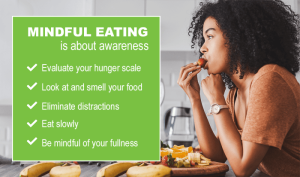
- Mindful Eating: Paying attention to your body’s hunger and fullness cues helps you avoid overeating. Eating slowly and savoring your food allows your body to register satiety signals more effectively.
- Manage Stress: Stress can trigger cravings and affect energy levels. Incorporating stress-reducing activities like exercise, yoga, or meditation can improve both energy levels and emotional well-being.
Healthy Eating on a Budget
Achieving a healthy weight doesn’t require breaking the bank. Many affordable, nutrient-rich foods can support your weight loss goals. Careful planning and smart shopping strategies are key to eating well without overspending. This section explores how to build a nutritious and budget-friendly eating plan.
Affordable and Nutritious Foods for Weight Loss
Choosing inexpensive, nutrient-dense foods is crucial for successful and sustainable weight loss on a budget. The following table highlights some excellent options:
| Food Item | Price per unit (Approximate) | Nutritional Benefits | Serving Suggestions |
|---|---|---|---|
| Dried Beans (e.g., kidney, black, pinto) | $1-$2 per pound | High in fiber, protein, and iron; excellent source of complex carbohydrates. | Add to soups, stews, salads, or make chili. |
| Brown Rice | $2-$4 per pound | Good source of fiber and complex carbohydrates; provides sustained energy. | Serve as a side dish, use in bowls, or as a base for stir-fries. |
| Oats (rolled or steel-cut) | $3-$5 per container | High in fiber, promoting satiety and digestive health; good source of B vitamins. | Make oatmeal, add to smoothies, or use in baking. |
| Frozen Vegetables | $1-$3 per bag | Nutrient-rich and often cheaper than fresh; convenient for quick meals. | Add to soups, stews, stir-fries, or enjoy as a side dish. |
| Eggs | $2-$4 per dozen | Excellent source of protein and essential nutrients; versatile for various meals. | Scramble, poach, fry, or bake into omelets or frittatas. |
| Chicken Thighs (bone-in) | $3-$5 per pound (often cheaper than breasts) | Good source of lean protein and relatively affordable. | Roast, bake, grill, or use in casseroles and stews. |
| Seasonal Fruits and Vegetables | Prices vary seasonally | Rich in vitamins, minerals, and fiber; choose what’s in season for best value. | Enjoy as snacks, add to salads, or incorporate into meals. |
Note: Prices are approximate and may vary depending on location and retailer.
Affordable Weekly Meal Planning, Best weight loss diets
Planning your meals for the week is essential for both budget management and healthy eating. A sample plan could include:Monday: Oatmeal with berries (if in season, otherwise frozen) and a side of scrambled eggs.Tuesday: Lentil soup with a side of brown rice.Wednesday: Chicken and vegetable stir-fry with brown rice.Thursday: Black bean burgers on whole-wheat buns with a side salad.Friday: Baked chicken thighs with roasted vegetables (e.g., broccoli, carrots).Saturday: Leftovers or a simple salad with chickpeas and a whole-wheat pita.Sunday: Hearty bean and vegetable stew.
Reducing Food Waste and Saving Money on Groceries
Minimizing food waste significantly impacts your budget and reduces environmental impact. Here are some helpful strategies:* Plan your meals: Create a shopping list based on your meal plan to avoid impulse buys and reduce the likelihood of food spoiling.
Store food properly
Use airtight containers and follow storage guidelines to extend the shelf life of your produce and other items.
Use leftovers creatively
Turn leftover chicken into soup or salad, or repurpose vegetables into frittatas or omelets.
Shop seasonally
Buy fruits and vegetables that are in season; they’re typically cheaper and tastier.
Check for sales and coupons
Take advantage of weekly specials and discounts offered by your local grocery store.
Buy in bulk (when appropriate)
Items like beans, rice, and oats are often cheaper when purchased in larger quantities, provided you have the storage space.
Freeze extra portions
Freeze leftovers or excess produce to use later, preventing waste.
Successfully navigating the world of weight loss diets requires a holistic approach, blending nutritional knowledge with mindful lifestyle choices. Remember, there’s no one-size-fits-all solution; the key lies in finding a plan that aligns with your individual needs, preferences, and long-term health objectives. By understanding the principles of various diets, prioritizing sustainable practices, and seeking professional guidance when needed, you can embark on a confident and successful weight loss journey.
This guide serves as a starting point—empowering you to make informed decisions and cultivate a healthier, happier you.
Common Queries
What are the potential side effects of rapid weight loss?
Rapid weight loss can lead to nutrient deficiencies, muscle loss, fatigue, and even heart problems. Gradual weight loss is generally healthier.
How much weight should I aim to lose per week?
A healthy and sustainable weight loss rate is typically 1-2 pounds per week.
Is it safe to use weight loss supplements?
The safety of weight loss supplements varies greatly. Consult your doctor before using any supplement, as they can interact with medications and have potential side effects.
Can I lose weight without exercising?
While diet plays a major role in weight loss, exercise is beneficial for overall health and can boost weight loss results. However, dietary changes are often the primary driver.