Mindful Eating for Weight Management
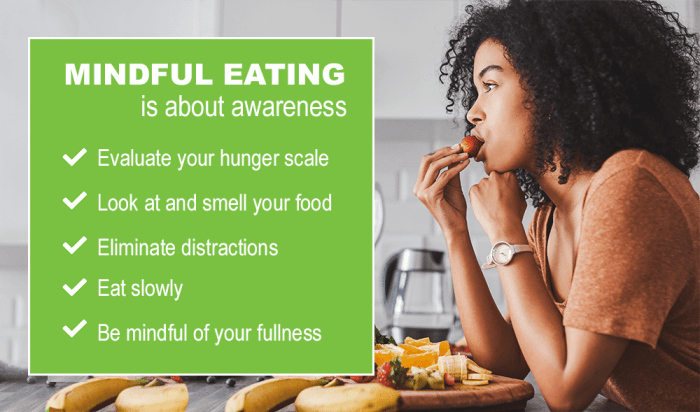
Mindful eating for weight management offers a transformative approach to weight loss, moving beyond restrictive diets and focusing on a conscious relationship with food. Instead of viewing food as an enemy, mindful eating encourages us to savor each bite, pay attention to our body’s hunger and fullness cues, and cultivate a healthier relationship with eating. This holistic approach not only aids in weight management but also improves overall well-being, reducing stress and promoting a more positive self-image.
This guide delves into the core principles of mindful eating, providing practical strategies for incorporating this approach into your daily life. We will explore how mindful eating affects portion control, emotional eating, and even your gut health. We’ll also examine how it can be integrated with various dietary approaches, offering personalized tips and recipes to support your journey towards sustainable weight management.
Defining Mindful Eating for Weight Management
Mindful eating, for weight management, is not about restriction but about cultivating a conscious relationship with food. It’s about paying attention to your body’s hunger and fullness cues, savoring the experience of eating, and making choices that nourish you both physically and emotionally. This approach contrasts sharply with traditional dieting, which often leads to feelings of deprivation and ultimately, unsustainable weight loss.Mindful eating centers on understanding your body’s signals and responding appropriately.
It’s a practice that promotes a healthier relationship with food, leading to more balanced eating habits and improved weight management.
Core Principles of Mindful Eating
Mindful eating is built upon several key principles. These principles work synergistically to help individuals develop a healthier relationship with food and their bodies. By understanding and practicing these principles, one can achieve sustainable weight management without resorting to restrictive dieting. These core principles encourage a shift in perspective, moving away from dieting as a means of weight loss towards a holistic approach to nourishing oneself.
Differences Between Mindful Eating and Restrictive Dieting
Mindful eating differs significantly from restrictive dieting in its approach and long-term effects. Restrictive diets often focus on eliminating entire food groups or severely limiting caloric intake. This approach frequently leads to feelings of deprivation, cravings, and ultimately, unsustainable weight loss. The cycle of restriction and subsequent binging is common with restrictive diets. In contrast, mindful eating focuses on developing a positive relationship with food, listening to your body’s cues, and making conscious choices that support your overall well-being.
It emphasizes a balanced approach rather than deprivation. The result is a sustainable lifestyle change rather than a temporary fix.
A Step-by-Step Guide to Practicing Mindful Eating
Practicing mindful eating is a gradual process that requires consistent effort. It’s not about perfection, but about making conscious choices and developing healthy habits over time. A structured approach can make the transition easier and more effective.
- Choose a quiet space: Find a comfortable place where you can eat without distractions. Turn off the TV, put away your phone, and focus solely on your meal.
- Engage all your senses: Before you start eating, take a moment to observe your food. Notice its color, texture, aroma, and even the sound it makes when you cut or chew it.
- Eat slowly and chew thoroughly: This allows your body to register fullness signals more effectively. Put your fork down between bites and savor each mouthful.
- Pay attention to your body’s signals: Notice your hunger and fullness cues. Stop eating when you feel comfortably satisfied, not stuffed.
- Avoid distractions: Focus on the experience of eating, not on other things happening around you. This helps you become more aware of your body’s signals and your food choices.
- Practice self-compassion: Mindful eating is a journey, not a destination. Be kind to yourself if you slip up. Simply acknowledge it and gently redirect your attention back to the present moment.
A One-Week Mindful Eating Plan for Beginners
This plan provides a framework for incorporating mindful eating into your daily routine. Remember, consistency is key.
| Day | Breakfast | Lunch | Dinner | Snacks |
|---|---|---|---|---|
| Monday | Oatmeal with berries and nuts | Salad with grilled chicken or fish | Lentil soup with whole-grain bread | Apple slices with almond butter |
| Tuesday | Yogurt with granola and fruit | Leftover lentil soup | Baked salmon with roasted vegetables | Handful of almonds |
| Wednesday | Scrambled eggs with whole-wheat toast | Tuna salad sandwich on whole-grain bread | Chicken stir-fry with brown rice | Baby carrots with hummus |
| Thursday | Smoothie with fruits and vegetables | Leftover chicken stir-fry | Vegetarian chili with cornbread | Small banana |
| Friday | Breakfast burrito with whole-wheat tortilla | Salad with chickpeas and avocado | Pizza with whole-wheat crust and plenty of vegetables | Greek yogurt |
| Saturday | Pancakes (whole wheat) with fruit | Leftover pizza | Pasta with marinara sauce and vegetables | Popcorn |
| Sunday | Omelette with vegetables | Sandwich with whole-grain bread and lean meat | Roast chicken with sweet potato | Fruit salad |
The Role of Mindful Eating in Calorie Control
Mindful eating plays a crucial role in weight management by fostering a healthier relationship with food, ultimately leading to better calorie control. Unlike restrictive dieting, mindful eating focuses on cultivating awareness of hunger and satiety cues, promoting healthier eating habits without rigid rules or calorie restrictions. This approach empowers individuals to make conscious food choices, ultimately leading to more sustainable weight management.Mindful eating significantly impacts various aspects of calorie consumption, influencing portion sizes, emotional eating tendencies, and the overall understanding of hunger and fullness signals.
By paying close attention to these elements, individuals can naturally regulate their calorie intake and achieve their weight goals.
Mindful Eating’s Impact on Portion Sizes
Mindful eating encourages paying attention to the physical sensations of eating. By slowing down the eating process and savoring each bite, individuals become more attuned to their body’s signals of fullness. This heightened awareness often leads to naturally smaller portion sizes because people recognize satiety before overeating. For instance, someone practicing mindful eating might notice they feel comfortably full after consuming half their usual plate of pasta, leading them to leave the rest without feeling deprived.
This contrasts with mindless eating where one might continue eating past the point of fullness, consuming significantly more calories.
Mindful Eating and Reduced Emotional Eating
Emotional eating, characterized by consuming food to cope with stress, boredom, or sadness, often leads to excessive calorie intake. Mindful eating helps address this by promoting self-awareness and emotional regulation. By recognizing the emotional triggers behind food cravings, individuals can develop healthier coping mechanisms. Instead of turning to food for comfort, they can explore alternative strategies such as exercise, meditation, or spending time with loved ones.
For example, instead of reaching for a bag of chips when feeling stressed, a mindful eater might recognize the stress and choose to go for a walk or practice deep breathing exercises. This conscious choice prevents unnecessary calorie consumption linked to emotional responses.
Identifying and Managing Hunger and Fullness Cues
Learning to distinguish between true hunger and other cravings is essential for mindful eating and effective calorie control. True hunger is a gradual, gentle feeling, often accompanied by a rumbling stomach and a general decrease in energy. Cravings, on the other hand, are often intense and specific, driven by emotional factors or learned associations. Mindful eating practices, such as checking in with your body before, during, and after meals, help differentiate these sensations.
Strategies like rating your hunger on a scale of 1-10 before meals (1 being extremely hungry, 10 being completely full) and paying attention to physical sensations like stomach fullness or a feeling of contentment can aid in managing hunger and fullness cues. This allows for more precise control over food intake, preventing both under- and overeating.
Comparison of Mindful Eating and Traditional Calorie Counting
| Feature | Mindful Eating | Traditional Calorie Counting | Notes |
|---|---|---|---|
| Focus | Awareness of hunger, fullness, and sensory experience | Tracking caloric intake and expenditure | Mindful eating focuses on the process, while calorie counting focuses on the numbers. |
| Approach | Holistic, emphasizes mindful choices | Restrictive, often involves detailed calculations | Mindful eating is sustainable; calorie counting can be restrictive and difficult to maintain long-term. |
| Sustainability | Generally high; adaptable to individual needs | Can be challenging; prone to lapses and rigid adherence | Mindful eating is more flexible and less likely to lead to deprivation. |
| Emotional Well-being | Promotes self-awareness and emotional regulation | Can lead to anxiety and feelings of deprivation | Mindful eating addresses the emotional aspect of eating; calorie counting often overlooks this. |
Mindful Eating and Specific Dietary Approaches

Mindful eating, the practice of paying close attention to your eating experience, can be successfully integrated into various dietary approaches, enhancing their effectiveness and promoting a healthier relationship with food. Its core principles—awareness of hunger and fullness cues, savoring each bite, and minimizing distractions—remain consistent regardless of the specific dietary plan. However, the application of mindful eating may differ depending on the chosen dietary style.
Mindful Eating and Vegan/Vegetarian Diets
Mindful eating complements vegan and vegetarian diets by fostering a deeper appreciation for the chosen foods. It encourages conscious selection of nutrient-rich plant-based options, reducing the likelihood of relying on processed substitutes simply to meet nutritional needs. By paying attention to texture, flavor, and satiety, individuals can develop a more satisfying and sustainable eating pattern. For example, a mindful vegan might meticulously select seasonal fruits and vegetables, appreciating their individual flavors and textures, rather than rushing through a meal.
This contrasts with simply consuming vegan alternatives without considering the sensory experience.
Mindful Eating and Keto/Low-Carb Diets
Integrating mindful eating into ketogenic or low-carb diets addresses potential pitfalls. These diets often involve restricting certain food groups, potentially leading to feelings of deprivation. Mindful eating helps mitigate this by encouraging appreciation of permitted foods, promoting satisfaction with smaller portions, and reducing emotional eating driven by restriction. For instance, instead of quickly consuming a keto-friendly meal out of necessity, mindful practice emphasizes savoring the taste and texture of each bite, fostering a sense of contentment despite the limitations.
This prevents feelings of deprivation and increases adherence to the diet.
Mindful Eating and Intermittent Fasting, Mindful eating for weight management
Mindful eating enhances the benefits of intermittent fasting by ensuring that eating periods are truly nourishing. Instead of rushing to consume a large amount of food during the eating window, mindful eating promotes a slower, more deliberate approach, leading to improved digestion and better satiety. This careful attention helps prevent overeating, a common challenge during intermittent fasting periods, ensuring that the fast is genuinely effective for weight management.
For example, instead of consuming a large, quickly eaten meal after a fast, mindful eating encourages a smaller, more thoughtfully chosen meal, maximizing nutrient absorption and minimizing digestive discomfort.
Mindful Eating and Nutrition for Athletes
For athletes, mindful eating is crucial for optimizing performance and recovery. It helps in making conscious food choices based on energy needs and training demands. Mindful eating also helps athletes identify and address emotional eating habits that might negatively impact training. By paying attention to hunger and fullness cues, athletes can fuel their bodies effectively without overconsuming calories.
For example, a mindful athlete might carefully select pre- and post-workout meals based on their individual needs, prioritizing nutrient-dense foods and enjoying them fully rather than consuming them absentmindedly. This leads to improved energy levels, enhanced recovery, and overall better athletic performance.
Healthy Recipes and Cooking Tips Incorporating Mindful Eating: Mindful Eating For Weight Management
Mindful eating extends beyond simply choosing healthy foods; it encompasses the entire culinary experience, from preparation to consumption. By engaging all our senses during cooking and eating, we cultivate a deeper appreciation for our food and a greater awareness of our body’s hunger and fullness cues. This leads to more balanced eating habits and ultimately, better weight management. This section provides practical recipes and tips to integrate mindful eating into your daily life.
Mindful Cooking Techniques
Mindful cooking encourages a slower, more deliberate approach to food preparation. It’s about savoring the process, engaging your senses, and connecting with the ingredients. This mindful approach can transform even routine meal preparation into a meditative experience.
- Savor the aromas: Pay attention to the smells of herbs, spices, and vegetables as you cook. Inhale deeply and appreciate the fragrant experience.
- Engage your sense of touch: Feel the texture of ingredients as you chop vegetables or knead dough. Notice the firmness of a ripe avocado or the smoothness of a well-cooked grain.
- Listen to the sounds: Listen to the sizzle of vegetables in a pan, the simmering of a soup, or the crackle of a roasting chicken. These sounds add to the sensory experience of cooking.
- Take your time: Avoid rushing through the cooking process. Allow yourself to fully focus on each step, from chopping to seasoning to cooking.
- Prepare ingredients mindfully: Washing, chopping, and preparing ingredients before you start cooking helps you connect with the food and appreciate its natural state.
Healthy Recipes Emphasizing Whole Foods
The following recipes prioritize whole, unprocessed ingredients and encourage mindful preparation. These are designed to be adaptable to your preferences and dietary needs.
| Recipe Name | Description | Mindful Eating Aspects |
|---|---|---|
| Quinoa Salad with Roasted Vegetables | Quinoa, roasted sweet potatoes, broccoli, bell peppers, and a lemon-herb vinaigrette. | Appreciate the vibrant colors and textures of the roasted vegetables; savor the different flavors and textures in each bite. |
| Lentil Soup with Turmeric and Ginger | Hearty lentil soup with warming spices, carrots, celery, and spinach. | Notice the warming spices and the comforting texture of the lentils; pay attention to the soup’s temperature and adjust as needed. |
| Baked Salmon with Asparagus and Lemon | Salmon fillet baked with asparagus spears and a squeeze of fresh lemon juice. | Observe the flaky texture of the salmon and the bright green color of the asparagus; savor the fresh lemon flavor. |
| Chicken Stir-fry with Brown Rice | Chicken breast stir-fried with broccoli, snap peas, carrots, and brown rice. | Appreciate the variety of textures and flavors in the stir-fry; notice the different sounds as you stir-fry the ingredients. |
| Black Bean Burgers with Avocado Crema | Homemade black bean burgers served on whole-wheat buns with a creamy avocado topping. | Pay attention to the satisfying texture of the black bean burgers and the creamy avocado; savor the flavors and textures of each ingredient. |
Sample Weekly Meal Plan
This meal plan incorporates the mindful eating principles discussed and features the recipes above. Remember to adjust portion sizes to your individual needs and listen to your body’s hunger and fullness cues.
- Monday: Quinoa Salad with Roasted Vegetables
- Tuesday: Lentil Soup with Turmeric and Ginger
- Wednesday: Baked Salmon with Asparagus and Lemon
- Thursday: Chicken Stir-fry with Brown Rice
- Friday: Black Bean Burgers with Avocado Crema
- Saturday & Sunday: Flexible – Choose meals based on your preferences and mindful eating principles. Consider leftovers or exploring new recipes.
Mindful Eating and Gut Health
Mindful eating, the practice of paying close attention to your food and eating experience, has profound implications for gut health. The connection lies in the intricate relationship between the food we consume, our digestive processes, and the trillions of microorganisms residing in our gut – the gut microbiota. By fostering a more conscious approach to eating, we can positively influence this ecosystem and improve overall digestive well-being.The gut microbiota plays a vital role in numerous bodily functions, including digestion, nutrient absorption, immune system regulation, and even mood.
A diverse and balanced gut microbiome is key to optimal health. Mindful eating practices directly impact this balance, promoting a healthier gut environment.
Mindful Eating’s Influence on Gut Microbiota
Mindful eating encourages the selection of nutrient-rich, whole foods. These foods, rich in fiber and prebiotics, serve as nourishment for beneficial gut bacteria, fostering their growth and diversity. Conversely, mindless eating often leads to the consumption of processed foods, high in sugar and unhealthy fats, which can disrupt the gut microbiota balance, potentially leading to an overgrowth of harmful bacteria and inflammation.
The conscious selection of foods, inherent in mindful eating, therefore directly contributes to a healthier gut microbiome.
Mindful Eating and Improved Digestion and Nutrient Absorption
By slowing down the eating process and thoroughly chewing food, mindful eating aids digestion. Chewing breaks down food into smaller particles, increasing surface area for digestive enzymes to act upon, facilitating more efficient nutrient extraction. The reduced stress associated with mindful eating also improves gut motility, preventing constipation and promoting regular bowel movements. Furthermore, mindful eating reduces the likelihood of overeating, minimizing digestive strain and promoting optimal nutrient absorption.
Stress Reduction and its Impact on Gut Health
Chronic stress significantly impacts gut health. Stress hormones can alter gut motility, increase intestinal permeability (“leaky gut”), and disrupt the balance of gut microbiota. Mindful eating practices, including meditation and deep breathing exercises often incorporated into mindful eating programs, help reduce stress levels. This reduction in stress, in turn, positively influences gut health by mitigating the negative effects of stress hormones on the gut.
Studies have shown a correlation between stress reduction techniques and improvements in gut symptoms such as bloating and abdominal pain.
Examples of Gut-Friendly Foods Supporting Mindful Eating
A mindful approach to eating naturally lends itself to the consumption of gut-friendly foods. These foods, rich in fiber and prebiotics, nourish beneficial gut bacteria. Examples include:
- Leafy green vegetables (kale, spinach): Rich in fiber and vitamins.
- Fruits (berries, apples, bananas): Provide fiber and prebiotics.
- Legumes (beans, lentils): Excellent sources of fiber and prebiotics.
- Whole grains (oats, quinoa): High in fiber and beneficial compounds.
- Fermented foods (yogurt, kefir, sauerkraut): Contain probiotics, beneficial live bacteria.
These foods, when consumed mindfully, not only provide essential nutrients but also actively support a thriving gut microbiome, reinforcing the positive feedback loop between mindful eating and gut health.
Ultimately, mindful eating for weight management is not just about shedding pounds; it’s about cultivating a mindful and nourishing relationship with food. By tuning into your body’s signals, making conscious food choices, and practicing self-compassion, you can achieve sustainable weight loss and a healthier, happier you. Remember, the journey is about progress, not perfection. Embrace the process, celebrate your successes, and enjoy the delicious and fulfilling path to a healthier lifestyle.
FAQ Guide
Can mindful eating help with binge eating?
Yes, by increasing awareness of emotional triggers and hunger cues, mindful eating can help break the cycle of binge eating.
Is mindful eating suitable for everyone?
While generally beneficial, individuals with eating disorders should consult a healthcare professional before adopting mindful eating practices.
How long does it take to see results with mindful eating?
Results vary, but consistent practice usually leads to noticeable changes in eating habits and weight within several weeks.
What if I slip up and overeat?
Self-compassion is key. Acknowledge the slip-up, learn from it, and gently redirect your focus back to mindful eating.