Energy-boosting Smoothies A Comprehensive Guide

Energy-boosting smoothies offer a delicious and convenient way to fuel your body with essential nutrients and sustained energy. This guide delves into the world of vibrant, healthy smoothies, exploring ingredient choices, recipe variations for diverse dietary needs, and optimization strategies for specific goals, from athletic performance to weight management. We’ll uncover the secrets to creating the perfect energy-boosting smoothie, covering everything from blending techniques to maximizing nutrient retention and understanding the synergistic effects of superfoods.
We’ll examine the differences between fruit and vegetable-based energy boosts, providing detailed recipes catering to vegan, keto, and vegetarian lifestyles. Furthermore, we’ll explore how to adapt these recipes for athletes, those focused on gut health, and individuals on a budget. Beyond smoothies, we’ll also touch upon broader healthy eating strategies, including additional energy-boosting recipes and practical cooking tips.
Healthy Recipes and Cooking Tips (Broader Scope)
Maintaining sustained energy throughout the day requires a balanced diet rich in complex carbohydrates, lean protein, and healthy fats. These nutrients provide a slow and steady release of energy, preventing the energy crashes often associated with sugary snacks or processed foods. The following recipes and cooking tips offer practical guidance on preparing meals that support optimal energy levels.
Healthy Recipes for Sustained Energy
Choosing the right foods is crucial for maintaining consistent energy levels. The following recipes offer diverse options to suit various dietary preferences, each designed to provide sustained energy without relying on processed sugars or unhealthy fats.
- Vegan Quinoa Bowl with Roasted Vegetables
- Ingredients: 1 cup quinoa, 1 cup broccoli florets, 1 cup bell peppers (various colors), 1/2 cup red onion, 2 tbsp olive oil, salt, pepper, 1/4 cup chopped fresh herbs (parsley, cilantro).
- Instructions:
- Rinse quinoa thoroughly and cook according to package directions.
- Preheat oven to 400°F (200°C).
- Toss broccoli, bell peppers, and red onion with olive oil, salt, and pepper.
- Roast vegetables for 20-25 minutes, or until tender and slightly browned.
- Combine cooked quinoa and roasted vegetables. Garnish with fresh herbs.
- Vegetarian Lentil Soup
- Ingredients: 1 cup brown or green lentils, 4 cups vegetable broth, 1 cup chopped carrots, 1 cup chopped celery, 1/2 cup chopped onion, 2 cloves garlic (minced), 1 tsp dried thyme, salt, pepper.
- Instructions:
- Sauté onion, carrots, and celery in a large pot until softened.
- Add garlic and thyme, cook for 1 minute more.
- Stir in lentils and vegetable broth. Bring to a boil, then reduce heat and simmer for 30-40 minutes, or until lentils are tender.
- Season with salt and pepper to taste.
- Keto Chicken Salad with Avocado
- Ingredients: 2 cups cooked chicken breast (shredded), 1 avocado (diced), 1/4 cup mayonnaise (full-fat), 1/4 cup chopped celery, 1 tbsp lemon juice, salt, pepper.
- Instructions:
- Combine shredded chicken, avocado, mayonnaise, celery, and lemon juice in a bowl.
- Season with salt and pepper to taste.
- Serve on lettuce cups or with keto-friendly crackers.
Cooking Tips to Maximize Nutrient Retention
Proper food preparation techniques significantly impact the nutritional value of your meals. These tips help preserve vitamins, minerals, and other beneficial compounds, ensuring you get the most out of your healthy eating choices.
| Tip | Explanation |
|---|---|
| Minimize cooking time | Overcooking destroys heat-sensitive vitamins and minerals. Steam, stir-fry, or microwave vegetables to retain more nutrients. |
| Avoid boiling vegetables in large amounts of water | Water-soluble vitamins leach into the cooking water. Steam or use minimal water to reduce nutrient loss. |
| Don’t peel fruits and vegetables unnecessarily | Many nutrients reside in the skin, including fiber and antioxidants. Wash thoroughly before consuming. |
| Store fruits and vegetables properly | Refrigerate fruits and vegetables to slow down enzymatic breakdown and prevent nutrient loss. |
| Use appropriate cooking methods | Choose cooking methods that minimize nutrient loss, such as steaming, stir-frying, baking, or grilling. |
Superfoods and Supplements for Energy
Sustained energy levels are crucial for optimal health and well-being. While a balanced diet plays a pivotal role, incorporating specific superfoods and carefully considering energy-boosting supplements can significantly enhance your energy reserves. This section explores several potent options and examines the advantages and disadvantages associated with each.
Five Energy-Boosting Superfoods
Beyond the fruits and vegetables often included in energy smoothies, several other superfoods offer unique energy-boosting properties. These foods are packed with essential nutrients that contribute to sustained energy production, rather than providing a quick, temporary boost followed by a crash.
- Quinoa: This complete protein source provides all nine essential amino acids, crucial for building and repairing tissues, including muscle tissue, which is vital for energy expenditure. Its complex carbohydrates provide sustained energy release, preventing the blood sugar spikes and crashes associated with simple sugars.
- Chia Seeds: These tiny seeds are nutritional powerhouses, rich in fiber, omega-3 fatty acids, and antioxidants. The fiber contributes to stable blood sugar levels, while the healthy fats provide sustained energy and support overall health. Their high fiber content also promotes satiety, reducing the likelihood of energy dips caused by hunger.
- Dark Leafy Greens (Spinach, Kale): These are packed with iron, crucial for red blood cell production, which carries oxygen throughout the body, essential for energy production at a cellular level. They also contain vitamins A and K, contributing to overall health and well-being.
- Avocados: These creamy fruits are rich in healthy monounsaturated fats, which provide sustained energy and support hormone production. They also contain fiber, contributing to stable blood sugar levels and feelings of fullness.
- Blueberries: These berries are bursting with antioxidants, which combat cellular damage and reduce inflammation, contributing to improved energy levels and overall health. Their natural sugars provide a quicker energy boost than other superfoods on this list, but the combination with fiber still prevents rapid blood sugar fluctuations.
Energy-Boosting Supplements: Benefits and Drawbacks
Energy-boosting supplements, such as caffeine pills, guarana, or ginseng extracts, offer a quick energy boost, but their long-term effects require careful consideration. While they can be helpful in specific situations, relying solely on them is not recommended.
- Benefits: Supplements can provide a rapid energy boost when needed, such as during intense physical activity or periods of sleep deprivation. Some, like ginseng, may offer additional cognitive benefits.
- Drawbacks: Over-reliance on supplements can lead to dependence, jitters, anxiety, sleep disturbances, and digestive issues. They may also interact negatively with other medications. Furthermore, the quality and purity of supplements vary greatly, making it essential to choose reputable brands.
Natural Energy Sources vs. Supplements, Energy-boosting smoothies
Natural energy sources, primarily whole foods, provide sustained energy release and a multitude of other health benefits. Supplements, on the other hand, offer a rapid but often short-lived energy boost, with potential side effects. A balanced approach that prioritizes whole foods while using supplements judiciously and only when necessary is generally recommended. For example, a marathon runner might use caffeine strategically before a race, but their overall energy strategy should focus on proper nutrition and training.
Someone experiencing chronic fatigue, however, should consult a doctor before considering supplements.
Weight Management and Energy
Energy-boosting smoothies can be a valuable tool in a comprehensive weight management plan. They offer a convenient way to incorporate nutrient-rich ingredients that support both weight loss and sustained energy levels, combating the fatigue often associated with dietary restrictions. By replacing less healthy, calorie-dense snacks or meals with smoothies, individuals can achieve a calorie deficit while still feeling energized and satisfied.The interplay between diet and exercise is crucial for maintaining healthy energy levels while managing weight.
A balanced diet, rich in whole foods, lean protein, and complex carbohydrates, provides the sustained energy needed for daily activities and workouts. Regular exercise, in turn, boosts metabolism, burns calories, and improves overall energy levels. The combination of a healthy diet and regular physical activity creates a synergistic effect, leading to more effective weight management and improved energy.
Energy-Boosting Smoothies in a Weight Management Plan
Incorporating energy-boosting smoothies into a weight management plan offers several advantages. First, they can help control hunger and cravings, preventing overeating. The fiber and protein in many smoothie recipes promote satiety, keeping you feeling full for longer periods. Second, smoothies are highly customizable, allowing for the inclusion of fruits, vegetables, and other ingredients that are low in calories but high in nutrients.
This ensures you receive essential vitamins and minerals while maintaining a calorie deficit. Finally, smoothies are a quick and convenient way to consume a healthy meal or snack, making them ideal for busy individuals who may struggle to find time for meal preparation. For example, a smoothie containing spinach, berries, and Greek yogurt is both nutrient-rich and relatively low in calories, providing a healthy and satisfying alternative to processed snacks.
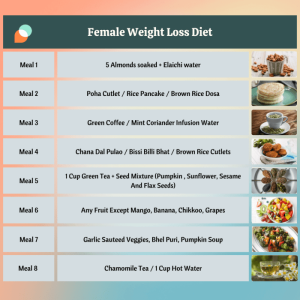
Sample Weekly Meal Plan for Weight Loss
This sample meal plan demonstrates how energy-boosting smoothies can be integrated into a healthy weight loss diet. Remember to adjust portion sizes based on individual caloric needs and activity levels. This plan is a suggestion, and consulting a nutritionist or dietitian is recommended for personalized guidance.
| Day | Breakfast | Lunch | Dinner | Snack |
|---|---|---|---|---|
| Monday | Green smoothie (spinach, banana, almond milk, protein powder) | Salad with grilled chicken or fish | Lentil soup with whole-wheat bread | Apple slices with almond butter |
| Tuesday | Berry smoothie (mixed berries, Greek yogurt, chia seeds) | Leftover lentil soup | Baked salmon with roasted vegetables | Handful of almonds |
| Wednesday | Green smoothie (kale, mango, coconut water) | Tuna salad sandwich on whole-wheat bread | Chicken stir-fry with brown rice | Small banana |
| Thursday | Berry smoothie (strawberries, banana, almond milk) | Leftover chicken stir-fry | Vegetarian chili with cornbread | Greek yogurt |
| Friday | Green smoothie (spinach, pineapple, coconut water) | Salad with chickpeas and avocado | Lean ground beef with sweet potato | Orange |
| Saturday | Oatmeal with berries and nuts | Leftover ground beef and sweet potato | Pizza with whole-wheat crust, vegetables, and lean protein | Small bowl of air-popped popcorn |
| Sunday | Scrambled eggs with whole-wheat toast and avocado | Leftover pizza | Roast chicken with roasted potatoes and green beans | Dark chocolate (small square) |
Remember to drink plenty of water throughout the day to support overall health and weight management.
Eating for Energy and Focus
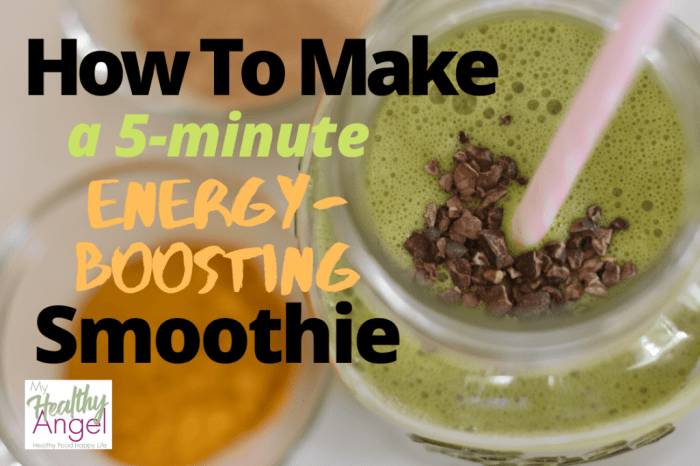
Maintaining consistent energy levels throughout the day is significantly influenced by dietary choices. The foods we consume directly impact our blood sugar levels, influencing our energy, mood, and cognitive function. Understanding this relationship allows us to make informed food choices that promote sustained energy and improved focus.The body utilizes nutrients from food to produce energy. Rapid spikes and crashes in blood sugar, often caused by refined carbohydrates and sugary foods, lead to energy fluctuations.
Conversely, a diet rich in complex carbohydrates, lean protein, and healthy fats provides a more gradual and sustained release of energy, preventing those mid-afternoon slumps and improving cognitive performance.
Foods to Include for Optimal Energy and Focus
Choosing foods that provide a balanced intake of macronutrients (carbohydrates, proteins, and fats) is crucial for consistent energy levels. Prioritizing nutrient-dense options ensures the body receives the necessary vitamins and minerals to support energy production and brain function.
- Complex Carbohydrates: These carbohydrates, such as whole grains (brown rice, quinoa, oats), sweet potatoes, and legumes, are digested slowly, providing a steady release of glucose for sustained energy. Avoid refined carbohydrates like white bread and pastries, as these cause rapid blood sugar spikes followed by crashes.
- Lean Protein: Protein is essential for building and repairing tissues, including brain cells. Good sources include chicken breast, fish, beans, lentils, and tofu. Protein also helps to regulate blood sugar levels, preventing energy dips.
- Healthy Fats: Healthy fats, such as those found in avocados, nuts, seeds, and olive oil, are vital for brain function and hormone production. They provide sustained energy and help to absorb fat-soluble vitamins.
- Fruits and Vegetables: Rich in vitamins, minerals, and antioxidants, fruits and vegetables support overall health and energy levels. They provide essential nutrients that contribute to optimal bodily function.
Foods to Exclude for Optimal Energy and Focus
Certain foods can hinder sustained energy and focus by causing blood sugar fluctuations or providing minimal nutritional value. Limiting or eliminating these foods can significantly improve energy levels and cognitive function.
- Refined Carbohydrates: These include white bread, pastries, sugary cereals, and processed snacks. They lead to rapid blood sugar spikes and subsequent crashes, resulting in energy lows and reduced focus.
- Sugary Drinks: Soda, juice, and energy drinks provide a quick burst of energy followed by a significant crash. They offer minimal nutritional value and contribute to weight gain.
- Processed Foods: Many processed foods are high in unhealthy fats, sodium, and added sugars, offering little nutritional value and contributing to energy fluctuations and poor overall health.
- Excessive Caffeine: While moderate caffeine intake can provide a temporary energy boost, excessive consumption can lead to anxiety, jitters, and ultimately, energy crashes.
Visual Representation of Food Group Impact on Energy Levels
Imagine a graph with time on the x-axis and energy levels on the y-axis. A line representing the consumption of refined carbohydrates would show a sharp peak immediately after consumption, followed by a steep decline. In contrast, a line representing the consumption of complex carbohydrates would show a gradual rise in energy levels, followed by a relatively stable plateau over several hours.
A line representing a balanced meal with complex carbohydrates, lean protein, and healthy fats would demonstrate a steady, sustained increase in energy levels, maintaining a relatively consistent level for an extended period. This visual representation highlights the contrasting effects of different food groups on energy levels over time.
Ultimately, crafting the perfect energy-boosting smoothie is a personalized journey. By understanding the nutritional benefits of various ingredients, adapting recipes to your dietary preferences and needs, and mastering the art of blending, you can unlock a world of sustained energy and vibrant well-being. Remember to prioritize whole foods, listen to your body, and enjoy the process of creating delicious and nutritious fuel for your active life.
This guide serves as a foundation for your exploration, empowering you to experiment and discover your own signature energy-boosting smoothie creations.
FAQ Resource: Energy-boosting Smoothies
Can I make smoothies ahead of time?
Yes, but it’s best to consume smoothies within 24 hours for optimal freshness and nutrient retention. Store them in an airtight container in the refrigerator.
Are energy-boosting smoothies suitable for children?
Generally yes, but adjust the ingredients and sweetness to suit their preferences and dietary needs. Always supervise young children while they consume smoothies.
What if I don’t have all the ingredients listed in a recipe?
Feel free to substitute ingredients with similar nutritional profiles. For example, you can often swap one type of berry for another.
Can I freeze smoothie ingredients?
Yes, freezing fruits and vegetables is a great way to preserve them and make smoothie preparation quicker. Simply add frozen ingredients to your blender.