Healthy Fats for Focus and Energy
Healthy fats for focus and energy: Unlocking the potential of dietary fats for enhanced cognitive function and sustained energy levels is a fascinating journey. This exploration delves into the diverse world of healthy fats, examining their crucial roles in brain health, energy production, and overall well-being. We’ll uncover how incorporating these beneficial fats into your diet can significantly impact your daily performance, both mentally and physically.
From understanding the different types of healthy fats to practical strategies for incorporating them into your meals, this guide provides a comprehensive overview for optimizing your health and vitality.
We will explore the science behind how specific fats contribute to improved concentration, sharper mental clarity, and sustained energy throughout the day. This includes discussions on nutrient deficiencies, meal planning, and the impact of healthy fats on various diets, including vegan, vegetarian, ketogenic, and low-carb approaches. Practical recipes and cooking tips will empower you to easily integrate these beneficial fats into your daily routine.
Finally, we’ll address common concerns and questions regarding supplementation and the role of healthy fats in athletic performance and gut health.
Eating for Energy and Focus & Healthy Fats
Consuming the right types of fats is crucial for maintaining sustained energy levels and optimal cognitive function. Unlike unhealthy fats, healthy fats provide a steady release of energy, preventing those mid-afternoon slumps and supporting clear, focused thinking. This section will explore specific foods rich in healthy fats, practical strategies for incorporating them into your diet, and the importance of macronutrient balance for peak performance.
Foods Rich in Healthy Fats for Energy and Focus, Healthy fats for focus and energy
Choosing foods rich in monounsaturated and polyunsaturated fats is key to boosting both energy and focus. These fats are essential for brain health and hormone production, impacting our ability to concentrate and maintain energy throughout the day. Avoiding saturated and trans fats is equally important, as they can negatively impact energy levels and cognitive function.
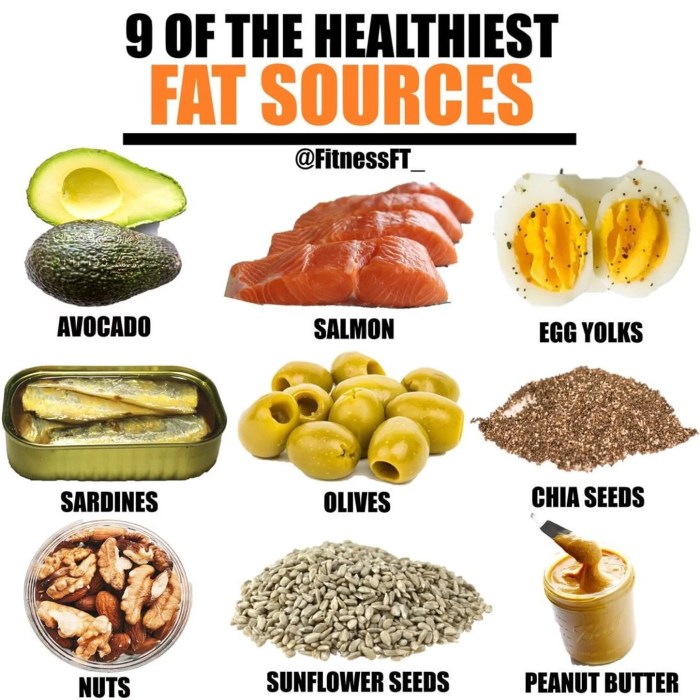
- Avocados: Rich in monounsaturated fats and fiber, avocados provide sustained energy and support healthy cholesterol levels.
- Nuts and Seeds (almonds, walnuts, chia seeds, flaxseeds): Excellent sources of healthy fats, fiber, and protein, contributing to both energy and cognitive function. They also provide essential vitamins and minerals.
- Olive Oil: A staple of the Mediterranean diet, olive oil is a primary source of monounsaturated fats, linked to improved heart health and brain function.
- Fatty Fish (salmon, mackerel, tuna): Rich in omega-3 fatty acids, crucial for brain health and reducing inflammation, which can negatively affect energy and focus.
- Coconut Oil: Contains medium-chain triglycerides (MCTs), which are quickly metabolized for energy and may improve cognitive function, although moderation is key.
Incorporating Healthy Fats into Daily Meals and Snacks
Integrating healthy fats into your diet doesn’t require a complete overhaul. Simple substitutions and additions can make a significant difference.
For example, adding a handful of almonds to your morning yogurt or oatmeal provides a boost of healthy fats and protein for sustained energy. Drizzling olive oil over salads or vegetables adds flavor and healthy fats. Swapping out processed snacks for a small handful of nuts or a piece of avocado toast provides a more nutritious and energy-sustaining alternative.
Using olive oil or avocado oil for cooking instead of butter or other less healthy oils is another easy swap.
Balancing Macronutrients for Optimal Energy and Focus
Maintaining a balance between carbohydrates, proteins, and healthy fats is crucial for optimal energy and focus. While carbohydrates provide quick energy, healthy fats provide sustained energy and support brain function. Protein is essential for building and repairing tissues and maintaining satiety. A balanced approach ensures you have a consistent supply of energy and nutrients to support both physical and mental performance.
An over-reliance on any single macronutrient can lead to energy crashes and cognitive impairment.
Sample Meal Plan Emphasizing Healthy Fats
This sample meal plan illustrates how to incorporate healthy fats throughout the day for sustained energy and focus. Remember that individual needs vary, so adjust portion sizes according to your own caloric requirements and activity levels.
| Meal | Description | Healthy Fats Source |
|---|---|---|
| Breakfast | Oatmeal with berries, nuts, and a drizzle of olive oil | Nuts, olive oil |
| Lunch | Salad with grilled salmon, avocado, and a light vinaigrette | Salmon, avocado, olive oil |
| Snack | A handful of almonds or walnuts | Almonds/Walnuts |
| Dinner | Chicken breast with roasted vegetables and a side of quinoa | Olive oil used in roasting vegetables |
Healthy Eating on a Budget & Healthy Fats: Healthy Fats For Focus And Energy
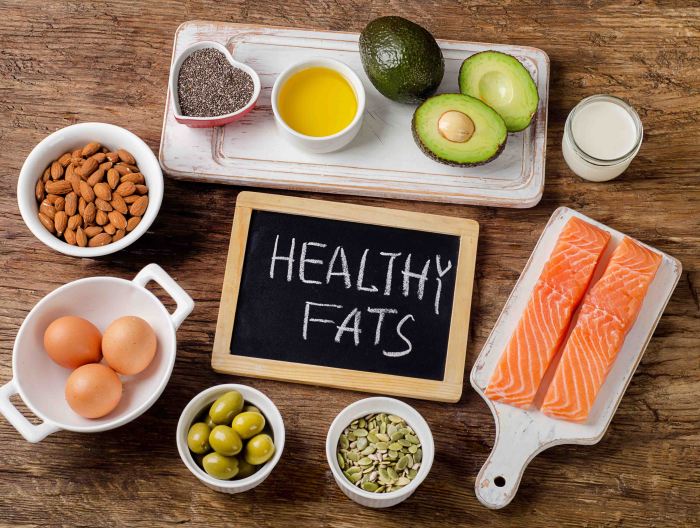
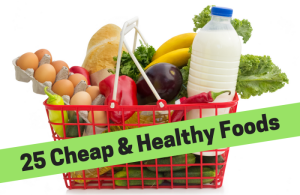
Eating healthily doesn’t have to break the bank. By focusing on affordable, nutrient-rich foods, particularly those rich in healthy fats, you can create delicious and energizing meals without sacrificing your budget. This section explores budget-friendly sources of healthy fats and provides practical tips for incorporating them into your weekly meal plan.
Budget-Friendly Sources of Healthy Fats
Many sources of healthy fats are surprisingly inexpensive. Prioritizing these options allows you to maximize your nutritional intake while minimizing costs. For example, canned sardines and salmon are excellent sources of omega-3 fatty acids and are often cheaper than fresh fish fillets. Similarly, avocados, while sometimes expensive, can be purchased when in season for a more affordable price.
Nuts and seeds, such as peanuts, walnuts, chia seeds, and flax seeds, are also relatively inexpensive, especially when bought in bulk. Finally, olive oil, a staple in the Mediterranean diet, remains a cost-effective way to add healthy monounsaturated fats to your cooking.
Cooking Healthy and Delicious Meals with Affordable Healthy Fats
Cooking with healthy fats doesn’t require expensive ingredients or complex techniques. Simple additions can significantly enhance both the flavor and nutritional value of your meals. For instance, roasting vegetables with a drizzle of olive oil and a sprinkle of herbs brings out their natural sweetness and adds a healthy dose of fat. Adding a handful of nuts or seeds to salads provides a satisfying crunch and boosts the protein and healthy fat content.
Similarly, incorporating canned salmon or tuna into pasta dishes or sandwiches adds protein and omega-3 fatty acids without significantly increasing the overall cost. Preparing large batches of grains like quinoa or brown rice, which can be stored and used in various dishes throughout the week, also provides a cost-effective base for meals incorporating healthy fats.
Sample Weekly Meal Plan Incorporating Healthy Fats on a Budget
This sample meal plan demonstrates how to incorporate healthy fats into your diet without overspending. Remember that portion sizes can be adjusted to meet individual caloric needs.
| Day | Breakfast | Lunch | Dinner |
|---|---|---|---|
| Monday | Oatmeal with a tablespoon of peanut butter | Salad with canned tuna and a light olive oil dressing | Lentil soup with a dollop of plain yogurt |
| Tuesday | Scrambled eggs with spinach and whole-wheat toast | Leftover lentil soup | Baked chicken breast with roasted vegetables (drizzled with olive oil) |
| Wednesday | Greek yogurt with berries and a sprinkle of chia seeds | Sandwich on whole-wheat bread with avocado and tomato | Salmon patties (made with canned salmon) and a side salad |
| Thursday | Whole-wheat toast with avocado | Leftover salmon patties and salad | Quinoa bowl with roasted vegetables and a sprinkle of walnuts |
| Friday | Oatmeal with a tablespoon of almond butter | Salad with chickpeas and a light olive oil dressing | Pasta with pesto (made with olive oil and nuts) and vegetables |
| Saturday | Scrambled eggs with whole-wheat toast | Leftover pasta | Homemade pizza on whole-wheat crust with vegetables and a light cheese topping |
| Sunday | Pancakes made with whole wheat flour and a drizzle of maple syrup | Leftover pizza | Chicken and vegetable stir-fry with a light peanut sauce |
Strategies for Avoiding Expensive Processed Foods High in Unhealthy Fats
Processed foods often contain hidden unhealthy fats and are typically more expensive than whole, unprocessed foods. To avoid these, focus on purchasing whole foods and preparing meals from scratch whenever possible. Reading food labels carefully helps identify hidden sugars and unhealthy fats. Planning your meals ahead of time and creating a shopping list based on that plan can help you avoid impulse purchases of processed snacks.
Buying in bulk when appropriate, particularly for staples like nuts, seeds, and grains, can also significantly reduce costs. Finally, taking advantage of seasonal produce sales allows you to incorporate fresh, healthy ingredients without exceeding your budget.
Incorporating healthy fats into your diet is a powerful step towards enhancing both your cognitive function and energy levels. By understanding the various types of healthy fats, their sources, and how they interact with your body, you can make informed choices that support your overall well-being. Remember that a balanced approach, considering your individual dietary needs and preferences, is key.
This guide has provided a foundation for your journey toward improved focus and sustained energy; now, it’s time to put this knowledge into practice and experience the transformative benefits of healthy fats firsthand.
FAQ Compilation
Are all fats created equal?
No. Unsaturated fats (monounsaturated and polyunsaturated) are considered healthy, while saturated and trans fats should be limited.
Can I get too much healthy fat?
While unlikely, excessive intake of any macronutrient, including healthy fats, can lead to weight gain. Moderation is key.
How much healthy fat should I consume daily?
The recommended daily intake varies depending on individual factors like age, activity level, and overall health. Consult a nutritionist or dietitian for personalized guidance.
Are there any side effects of consuming too many omega-6 fatty acids?
An imbalance of omega-6 to omega-3 fatty acids can contribute to inflammation. It’s important to maintain a healthy ratio.