Gut Health Recipes Nourishing Your Microbiome
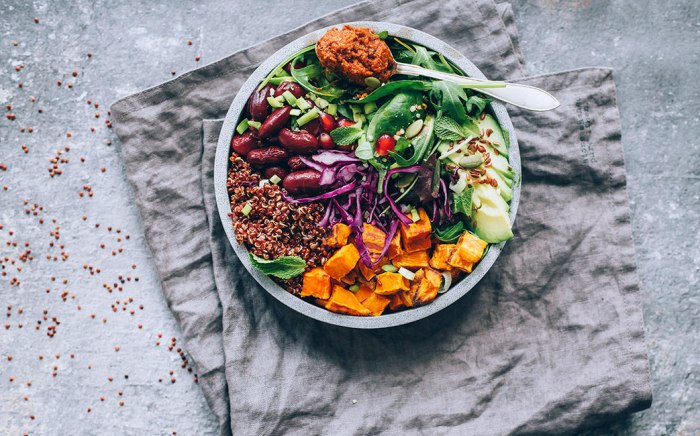
Gut health recipes are key to unlocking a healthier, happier you. This comprehensive guide explores the vital connection between diet and your gut microbiome, revealing how the right foods can significantly improve digestion, boost immunity, and enhance overall well-being. We’ll delve into diverse recipe categories, from fermented delights to plant-based powerhouses, offering practical tips and delicious options to nourish your inner ecosystem.
We will cover a range of dietary approaches, including vegan, vegetarian, keto, and low-carb options, ensuring there’s something for everyone. We’ll also explore the benefits of superfoods, supplements (with important cautions), intermittent fasting, and mindful eating strategies for athletes and those seeking sustained energy and focus. Finally, we’ll address budget-conscious options and the role of gut health in weight management.
Introduction to Gut Health Recipes
Gut health refers to the state of your digestive system and the balance of microorganisms within it, known as the gut microbiome. Maintaining a healthy gut is crucial for overall well-being, influencing various aspects of physical and mental health. A thriving gut microbiome supports efficient digestion, nutrient absorption, and immune function.The connection between diet and the gut microbiome is profound.
The food we consume directly impacts the types and quantities of bacteria, fungi, and other microorganisms residing in our intestines. A diet rich in diverse, whole foods promotes a balanced and diverse microbiome, while a diet lacking in fiber and nutrients can lead to an imbalance, potentially resulting in digestive issues and other health problems. Processed foods, high in sugar and unhealthy fats, often contribute to an unhealthy gut environment.
Key Benefits of Focusing on Gut Health
Prioritizing gut health offers numerous advantages. Three key benefits include improved digestion, a strengthened immune system, and enhanced mental well-being. A balanced gut microbiome facilitates efficient digestion, minimizing symptoms like bloating, gas, and constipation. The gut plays a vital role in immune function; a healthy gut microbiome helps regulate the immune response, reducing the risk of infections and inflammatory conditions.
Furthermore, emerging research suggests a strong link between gut health and mental health, with a balanced gut microbiome potentially contributing to improved mood and reduced anxiety.
Overview of Gut Health Recipes
This article provides a collection of recipes designed to nourish and support a healthy gut microbiome. We’ll explore various food groups beneficial for gut health, including recipes featuring fermented foods, fiber-rich vegetables, and prebiotic-rich fruits. The recipes emphasize whole, unprocessed ingredients and simple preparation methods, making them accessible and enjoyable for everyone seeking to improve their digestive health.
Each recipe will highlight the specific gut-health benefits of its ingredients, offering a deeper understanding of the connection between food and a thriving microbiome.
Recipe Categories for Gut Health
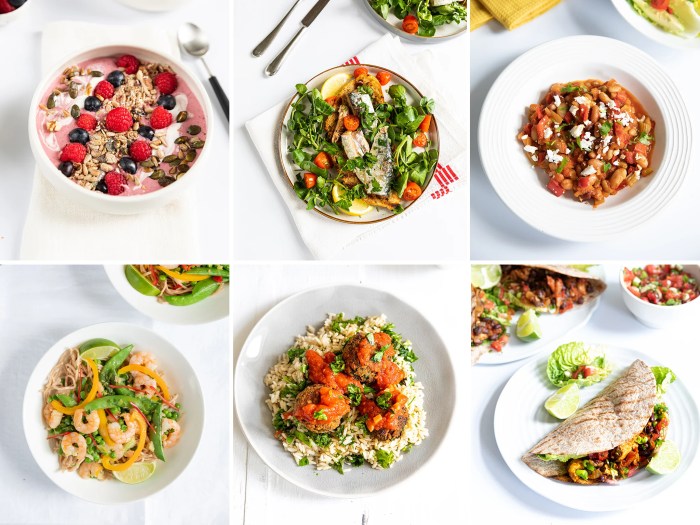
Maintaining a healthy gut microbiome is crucial for overall well-being. A diverse range of beneficial bacteria contributes to better digestion, improved immunity, and even mental health. The following recipe categories highlight gut-friendly ingredients and offer delicious ways to nourish your gut. These recipes are designed to be easily adaptable to individual dietary needs and preferences.
The following table organizes five recipe categories focusing on gut-friendly ingredients, each with three example recipes.
| Category | Recipe 1 | Recipe 2 | Recipe 3 |
|---|---|---|---|
| Fermented Foods | Kimchi Pancakes Ingredients: Kimchi, pancake mix, egg, scallions, sesame oil. Preparation: Mix ingredients, cook pancakes. Nutritional Benefits: Kimchi provides probiotics and antioxidants. |
Sauerkraut Salad Ingredients: Sauerkraut, apples, carrots, red onion, apple cider vinegar. Preparation: Combine ingredients, chill. Nutritional Benefits: Sauerkraut is rich in probiotics and vitamin C. |
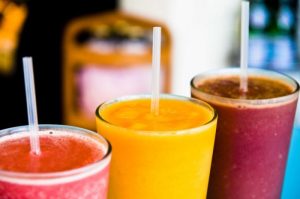
Kefir Smoothie Ingredients: Kefir, berries, banana, spinach. Preparation: Blend ingredients until smooth. Nutritional Benefits: Kefir provides probiotics and calcium. |
| High-Fiber Vegetables | Roasted Root Vegetable Medley Ingredients: Carrots, sweet potatoes, parsnips, olive oil, herbs. Preparation: Roast vegetables until tender. Nutritional Benefits: Root vegetables are excellent sources of fiber and various vitamins. |
Lentil Soup Ingredients: Lentils, vegetable broth, carrots, celery, onions, spices. Preparation: Simmer lentils and vegetables until tender. Nutritional Benefits: Lentils are high in fiber and protein. |
Broccoli and Chickpea Curry Ingredients: Broccoli florets, chickpeas, coconut milk, curry powder, ginger. Preparation: Sauté ingredients, simmer in coconut milk. Nutritional Benefits: Broccoli is rich in fiber and vitamins, chickpeas are a good source of protein and fiber. |
| Prebiotic-Rich Foods | Oatmeal with Berries and Seeds Ingredients: Oats, berries, chia seeds, flax seeds. Preparation: Cook oatmeal, top with berries and seeds. Nutritional Benefits: Oats are a good source of soluble fiber, berries and seeds provide antioxidants and additional fiber. |
Banana and Walnut Smoothie Ingredients: Bananas, walnuts, almond milk. Preparation: Blend ingredients until smooth. Nutritional Benefits: Bananas are rich in prebiotic fiber, walnuts provide healthy fats and fiber. |
Asparagus and Mushroom Frittata Ingredients: Asparagus, mushrooms, eggs, goat cheese. Preparation: Sauté vegetables, whisk eggs, bake in oven. Nutritional Benefits: Asparagus and mushrooms provide prebiotic fiber, eggs are a good source of protein. |
| Healthy Fats | Avocado Toast with Everything Bagel Seasoning Ingredients: Whole-wheat toast, mashed avocado, everything bagel seasoning. Preparation: Toast bread, spread avocado, sprinkle seasoning. Nutritional Benefits: Avocado provides healthy monounsaturated fats and fiber. |
Salmon with Roasted Vegetables Ingredients: Salmon fillet, broccoli, Brussels sprouts, olive oil, lemon juice. Preparation: Roast vegetables, bake or pan-fry salmon. Nutritional Benefits: Salmon is rich in omega-3 fatty acids, broccoli and Brussels sprouts provide fiber and vitamins. |
Nut and Seed Butter Smoothie Ingredients: Almond butter, chia seeds, spinach, banana, almond milk. Preparation: Blend ingredients until smooth. Nutritional Benefits: Almond butter and chia seeds are rich in healthy fats and fiber. |
| Herbal Teas | Ginger Tea with Lemon Ingredients: Fresh ginger, lemon, hot water. Preparation: Steep ginger in hot water, add lemon juice. Nutritional Benefits: Ginger has anti-inflammatory properties, lemon is rich in vitamin C. |
Chamomile Tea with Honey Ingredients: Chamomile tea bags, honey. Preparation: Steep tea bag, add honey to taste. Nutritional Benefits: Chamomile tea has calming properties, honey provides antioxidants. |
Peppermint Tea with Mint Leaves Ingredients: Peppermint tea bags or fresh mint leaves, hot water. Preparation: Steep tea bag or leaves in hot water. Nutritional Benefits: Peppermint tea aids digestion. |
Healthy Recipes and Cooking Tips for Gut Health
Nourishing your gut involves more than just consuming probiotic-rich foods; it’s about adopting mindful cooking practices that maximize the beneficial effects of gut-friendly ingredients while minimizing those that could be detrimental. By incorporating a few key strategies into your daily cooking routine, you can significantly improve your gut health and overall well-being.
Five Cooking Tips to Promote Gut Health
Prioritizing gut health through cooking requires understanding how food preparation methods impact nutrient bioavailability and the gut microbiome. These five tips offer practical approaches to optimize your cooking for a healthier gut.
- Minimize Processed Foods: Processed foods often contain high levels of added sugars, unhealthy fats, and artificial ingredients that can disrupt the gut microbiome’s delicate balance. Opt for whole, unprocessed foods whenever possible.
- Incorporate Probiotics: Probiotics are live microorganisms that, when consumed in adequate amounts, confer a health benefit. Include fermented foods like yogurt (with live and active cultures), kefir, sauerkraut, and kimchi in your diet.
- Prioritize Prebiotics: Prebiotics are non-digestible food ingredients that act as fuel for beneficial bacteria in your gut. Increase your intake of foods rich in prebiotics, such as onions, garlic, bananas, and asparagus.
- Steaming and Roasting: Gentle cooking methods like steaming and roasting preserve more nutrients compared to boiling or frying. These methods minimize nutrient loss and maintain the integrity of gut-friendly fibers.
- Reduce Sugar Intake: Excessive sugar consumption can negatively impact the gut microbiome. Limit added sugars in your cooking and opt for natural sweeteners like honey or maple syrup in moderation.
Three Gut-Friendly Meal Prepping Strategies
Meal prepping is a highly effective way to ensure you consistently consume gut-friendly foods throughout the week. Planning ahead simplifies healthy eating and reduces the temptation to reach for less-than-ideal options.
- Batch Cook Grains and Legumes: Cook large batches of quinoa, brown rice, lentils, or chickpeas at the beginning of the week. These are excellent sources of fiber and prebiotics, forming the base for many gut-friendly meals.
- Prepare Vegetable-Based Soups and Stews: Soups and stews are naturally gut-friendly, especially when packed with vegetables like broccoli, carrots, and leafy greens. Make a large batch and portion it out for lunches or dinners.
- Create a Variety of Salads: Salads provide a fantastic way to incorporate a wide range of gut-friendly ingredients. Prepare a base of leafy greens and then add different combinations of vegetables, fruits, nuts, seeds, and a simple vinaigrette throughout the week.
Incorporating Gut-Friendly Foods into Daily Meals
The key to a gut-friendly diet lies in incorporating a diverse range of nutrient-rich foods into your daily meals. A balanced approach ensures you receive the full spectrum of beneficial nutrients.For example, a typical day might include: Breakfast – Oatmeal with berries and nuts (prebiotics and antioxidants); Lunch – Salad with grilled chicken or fish, avocado, and mixed greens (healthy fats and fiber); Dinner – Lentil soup with whole-grain bread (fiber and prebiotics).
Snacks could include yogurt with fruit, a handful of almonds, or a small piece of dark chocolate. This approach ensures consistent intake of prebiotics, probiotics, fiber, and antioxidants – all crucial for optimal gut health.
Vegan and Vegetarian Gut-Health Recipes
Embracing a plant-based diet offers a wealth of opportunities to nourish your gut microbiome with fiber-rich foods and prebiotics. These recipes are designed to be both delicious and beneficial for digestive health, showcasing the versatility and nutritional power of vegan and vegetarian cuisine. They are carefully crafted to support a thriving gut environment.
Benefits of a Plant-Based Diet for Gut Health
A plant-based diet, characterized by its abundance of fruits, vegetables, legumes, and whole grains, significantly contributes to a healthy gut. The high fiber content in these foods acts as a prebiotic, feeding beneficial bacteria in the gut and promoting their growth. This leads to improved gut diversity, enhanced nutrient absorption, and a stronger gut barrier, reducing inflammation and the risk of various digestive disorders.
Furthermore, plant-based diets are often lower in saturated fats and cholesterol, further contributing to overall gut and cardiovascular health. Studies have shown a correlation between plant-rich diets and a reduced risk of conditions like irritable bowel syndrome (IBS) and inflammatory bowel disease (IBD). The abundance of antioxidants in plant foods also plays a crucial role in protecting the gut lining from damage.
Three Vegan Recipes Rich in Fiber and Prebiotics
These recipes provide a variety of flavors and textures, all while delivering a significant boost to your gut health. Each recipe is packed with fiber and prebiotics, essential for a thriving gut microbiome.
- Lentil Soup with Turmeric and Ginger:
- Ingredients: 1 cup brown or green lentils, 4 cups vegetable broth, 1 onion (chopped), 2 carrots (chopped), 2 celery stalks (chopped), 1 inch ginger (grated), 1 tsp turmeric, 1/2 tsp cumin, salt and pepper to taste.
- Steps: Sauté onion, carrots, and celery until softened. Add lentils, broth, ginger, turmeric, and cumin. Bring to a boil, then simmer for 30-40 minutes, or until lentils are tender. Season with salt and pepper.
- Quinoa Salad with Roasted Vegetables and Tahini Dressing:
- Ingredients: 1 cup quinoa, 1 cup broccoli florets, 1 cup bell peppers (chopped), 1/2 cup red onion (chopped), 2 tbsp tahini, 1 tbsp lemon juice, 1 tbsp water, salt and pepper to taste.
- Steps: Roast broccoli and bell peppers until tender. Cook quinoa according to package directions. Whisk together tahini, lemon juice, and water for the dressing. Combine cooked quinoa, roasted vegetables, and red onion. Toss with dressing and season with salt and pepper.
- Overnight Oats with Berries and Chia Seeds:
- Ingredients: 1/2 cup rolled oats, 1 cup plant-based milk (almond, soy, or oat), 1/4 cup mixed berries, 1 tbsp chia seeds, 1 tsp maple syrup (optional).
- Steps: Combine oats, milk, berries, chia seeds, and maple syrup (if using) in a jar or container. Stir well and refrigerate overnight. Enjoy cold in the morning.
Nutritional Profiles of Three Vegan Protein Sources
Choosing diverse protein sources is key to a well-rounded vegan diet. Here’s a comparison of three popular options:
| Protein Source | Protein (grams per 100g) | Fiber (grams per 100g) | Other Key Nutrients |
|---|---|---|---|
| Tofu | 8-10 | 1-2 | Calcium, Iron |
| Lentils | 25-28 | 7-8 | Iron, Folate, Magnesium |
| Tempeh | 18-20 | 4-5 | Probiotics, Iron, Vitamin B12 |
Note: Nutritional values can vary depending on the specific product and preparation method.
Keto and Low-Carb Gut-Friendly Recipes
Adopting a ketogenic diet doesn’t mean sacrificing gut health. Many delicious and gut-friendly recipes can be created while adhering to a low-carbohydrate, high-fat approach. The key is to focus on nutrient-rich foods that support a healthy microbiome while keeping carbohydrate intake low.
Ketogenic Diets and the Gut Microbiome
The impact of ketogenic diets on the gut microbiome is a complex area of ongoing research. While some studies suggest a potential shift in gut microbial composition, the overall effect on gut health is not yet fully understood. A reduction in certain types of bacteria, such as those that thrive on carbohydrates, may occur, while others that utilize short-chain fatty acids (SCFAs) may increase.
The long-term consequences of these shifts remain a subject of further investigation. It is crucial to ensure adequate fiber intake, even on a ketogenic diet, to support beneficial bacteria and maintain a diverse gut microbiome. This can be achieved through the strategic inclusion of foods like avocado, nuts, and seeds.
Three Keto Recipes Supporting Gut Health
The following recipes emphasize nutrient-dense ingredients to support gut health within a ketogenic framework. These recipes are designed to be palatable and satisfying while maintaining a low carbohydrate count.
| Recipe Name | Ingredients | Instructions | Nutritional Information (Approximate) |
|---|---|---|---|
| Avocado Chicken Salad | 2 cups shredded cooked chicken breast, 1 ripe avocado (mashed), 1/4 cup chopped celery, 2 tablespoons mayonnaise (full-fat), 1 tablespoon lemon juice, salt and pepper to taste. | Combine all ingredients in a bowl and mix well. Serve on lettuce cups or with keto-friendly crackers. | Calories: ~350, Fat: ~25g, Protein: ~30g, Carbohydrates: ~5g |
| Cauliflower “Rice” with Salmon | 1 medium head cauliflower (riced), 1 tablespoon olive oil, 1 pound salmon fillet, 1/4 cup chopped fresh parsley, salt and pepper to taste. | Sauté riced cauliflower in olive oil until tender. Season salmon with salt and pepper and bake or pan-fry until cooked through. Serve salmon over cauliflower rice and garnish with parsley. | Calories: ~400, Fat: ~28g, Protein: ~35g, Carbohydrates: ~5g |
| Keto Broccoli Cheddar Soup | 1 large head broccoli (chopped), 1 tablespoon olive oil, 1 cup heavy cream, 1 cup shredded cheddar cheese, 1/2 cup chicken broth, salt and pepper to taste. | Sauté broccoli in olive oil until tender. Add heavy cream, cheddar cheese, and chicken broth. Simmer until cheese is melted and soup is thickened. Season with salt and pepper. | Calories: ~450, Fat: ~35g, Protein: ~20g, Carbohydrates: ~5g |
Potential Challenges of Keto Diets and Solutions
Three potential challenges associated with ketogenic diets are nutrient deficiencies, constipation, and the initial “keto flu.” Nutrient deficiencies can be mitigated by focusing on nutrient-dense keto-friendly foods and considering supplementation under the guidance of a healthcare professional. Constipation can be addressed by increasing water and electrolyte intake, and including foods high in fiber (like avocados and leafy greens within the ketogenic framework) The “keto flu,” characterized by fatigue, headache, and nausea, is often temporary and can be alleviated by increasing electrolyte intake (sodium, potassium, magnesium).
Careful planning and monitoring are crucial for successful implementation of a ketogenic diet.
Superfoods and Supplements for Gut Health
Supporting your gut health involves a multifaceted approach, encompassing dietary choices and, in some cases, targeted supplementation. Prioritizing nutrient-rich foods and understanding the role of probiotics and prebiotics are key to fostering a thriving gut microbiome. This section explores superfoods that contribute significantly to gut health, and discusses the benefits and considerations surrounding probiotic and prebiotic supplementation.
Superfoods for Gut Health
Several foods stand out for their remarkable ability to nurture a healthy gut. These superfoods are rich in beneficial compounds that support the growth of beneficial bacteria, reduce inflammation, and enhance overall digestive function. The following examples highlight the nutritional power of these gut-friendly options.
- Kefir: This fermented milk drink is brimming with probiotics, beneficial bacteria that aid digestion and boost immunity. Its unique composition includes various strains of bacteria and yeasts, offering a diverse range of gut-supporting properties. Kefir is also a good source of calcium and protein.
- Kimchi: A traditional Korean fermented cabbage dish, kimchi is packed with probiotics and beneficial fibers. The fermentation process produces various beneficial compounds, including lactic acid bacteria, which contribute to gut health. Kimchi also provides vitamins A, C, and K.
- Berries: Rich in antioxidants and fiber, berries such as blueberries, raspberries, and strawberries, promote gut health through various mechanisms. Their fiber content feeds beneficial gut bacteria, while antioxidants combat inflammation and oxidative stress, both of which can negatively impact gut health.
- Bananas: These readily available fruits contain prebiotics, specifically resistant starch, which acts as a food source for beneficial gut bacteria. This type of fiber escapes digestion in the small intestine, reaching the colon where it nourishes the microbiota. Bananas are also a good source of potassium.
- Avocado: Avocados are rich in healthy fats and fiber, both of which contribute to gut health. The healthy fats support the integrity of the gut lining, while the fiber promotes regular bowel movements and feeds beneficial bacteria. Avocados also contain various vitamins and minerals.
The Role of Probiotics and Prebiotics in Gut Health
Probiotics and prebiotics play distinct but complementary roles in maintaining a balanced gut microbiome. Understanding their functions is crucial for effectively supporting gut health.
- Probiotics: These are live microorganisms (bacteria or yeasts) that, when consumed in adequate amounts, confer a health benefit to the host. They directly introduce beneficial bacteria into the gut, helping to restore balance and improve digestion. Examples include
-Lactobacillus* and
-Bifidobacterium* strains. - Prebiotics: These are non-digestible food ingredients that promote the growth of beneficial bacteria in the gut. They act as a food source for probiotics, fostering their growth and activity. Examples include inulin, fructooligosaccharides (FOS), and resistant starch.
Cautions and Considerations Regarding Gut Health Supplements, Gut health recipes
While gut health supplements can be beneficial for some individuals, it’s crucial to approach their use with caution and awareness.
- Individual Variability: The effectiveness of gut health supplements can vary greatly depending on individual factors, such as existing gut microbiota composition and overall health status. What works for one person may not work for another.
- Potential Side Effects: Some individuals may experience side effects such as bloating, gas, or diarrhea when taking probiotics or other gut health supplements. It’s essential to start with a low dose and gradually increase it as tolerated.
- Interactions with Medications: Gut health supplements may interact with certain medications. Consult with a healthcare professional before taking any supplements, particularly if you are on other medications.
- Quality and Regulation: The quality and regulation of gut health supplements can vary significantly. Choose reputable brands that undergo third-party testing to ensure purity and potency. Always check the label for accurate information on ingredients and dosage.
- Consult a Healthcare Professional: Before starting any gut health supplement regimen, it’s advisable to consult with a healthcare professional or registered dietitian. They can assess your individual needs and help you choose the most appropriate supplements and dosage.
Intermittent Fasting and Gut Health
Intermittent fasting (IF), characterized by cycling between periods of eating and voluntary fasting, has garnered significant attention for its potential health benefits, including its impact on gut health. While research is ongoing, a growing body of evidence suggests that IF may influence the gut microbiome and overall digestive well-being, although it’s crucial to understand both the potential advantages and disadvantages.Intermittent fasting’s effects on the gut microbiome are complex and not fully understood.
Studies suggest that fasting periods may lead to shifts in the composition and activity of gut bacteria. Some research indicates that IF can increase the abundance of beneficial bacteria, potentially improving gut barrier function and reducing inflammation. However, other studies have shown less consistent results, highlighting the need for further investigation into the specific mechanisms and individual variations in response to IF.
Potential Benefits of Intermittent Fasting for Gut Health
Several proposed benefits of intermittent fasting for gut health warrant consideration. These include improved gut barrier function, potentially leading to reduced inflammation and a decrease in the permeability of the gut lining. This reduced permeability, or “leaky gut,” is associated with various health problems. Additionally, IF may positively influence the diversity of the gut microbiome, fostering a more balanced and resilient microbial community.
Some studies also suggest that IF may promote autophagy, a cellular process that helps remove damaged cells and improve overall cellular health, including within the gut lining.
Potential Drawbacks of Intermittent Fasting for Gut Health
While promising, intermittent fasting is not without potential drawbacks for gut health. For some individuals, IF can initially lead to digestive discomfort, including bloating, constipation, or diarrhea. This is often due to changes in gut microbiota and digestive processes. Furthermore, the long-term effects of IF on the gut microbiome remain largely unknown, and some individuals might experience negative alterations in their gut bacterial composition.
It’s essential to note that the suitability of IF depends greatly on individual factors, including pre-existing health conditions and lifestyle. Individuals with certain digestive disorders or those taking specific medications should consult their healthcare provider before undertaking IF.
Safely Incorporating Intermittent Fasting into a Healthy Lifestyle
Successfully integrating intermittent fasting into a healthy lifestyle requires a gradual and mindful approach. It’s recommended to begin with shorter fasting windows, such as 12-14 hours, and gradually increase the duration as tolerated. Staying hydrated throughout the fasting period is crucial. Consuming nutrient-rich foods during the eating window is also essential to ensure adequate nutrient intake. Prioritizing whole, unprocessed foods that support a healthy gut microbiome, such as fruits, vegetables, and whole grains, is recommended.
Regular exercise and adequate sleep also contribute to overall well-being and can help mitigate potential side effects of IF. It’s vital to listen to your body and adjust your approach as needed. If significant digestive discomfort or other adverse effects occur, it’s crucial to consult a healthcare professional to assess whether IF is suitable.
Nutrition for Athletes and Gut Health: Gut Health Recipes
Maintaining a healthy gut is crucial for athletes, impacting performance, recovery, and overall well-being. The intense physical demands placed on athletes necessitate a nutritional strategy that supports both peak performance and a thriving gut microbiome. Ignoring gut health can lead to decreased performance, increased susceptibility to illness, and impaired recovery.Athletes’ unique nutritional needs concerning gut health stem from the increased energy expenditure and physical stress they experience.
Their bodies require a higher intake of macronutrients to fuel training and competition, and the increased gut motility associated with intense exercise can disrupt the delicate balance of the gut microbiome. This disruption can manifest as gastrointestinal distress, reduced nutrient absorption, and impaired immune function, negatively affecting athletic performance. Therefore, a tailored approach to nutrition is essential.
Athlete Meal Plan Example
A well-planned diet is essential for supporting athletic performance and gut health. The following sample meal plan emphasizes gut-friendly foods, providing a balance of macronutrients and promoting a healthy microbiome. Individual needs will vary depending on the athlete’s sport, training volume, and body composition, so this should be considered a template, not a rigid prescription. Consultation with a registered dietitian or sports nutritionist is recommended for personalized guidance.
- Breakfast (7:00 AM): Oatmeal with berries and nuts. Oatmeal is a good source of soluble fiber, which feeds beneficial gut bacteria. Berries provide antioxidants, and nuts offer healthy fats and protein.
- Mid-Morning Snack (10:00 AM): Greek yogurt with banana slices. Greek yogurt is rich in probiotics, beneficial bacteria that support gut health. Bananas provide easily digestible carbohydrates for energy.
- Lunch (1:00 PM): Chicken salad sandwich on whole-wheat bread with mixed greens. Lean protein from chicken supports muscle recovery, while whole-wheat bread provides fiber. Mixed greens add additional vitamins and minerals.
- Afternoon Snack (4:00 PM): Apple slices with almond butter. Apples provide fiber, and almond butter offers healthy fats and protein for sustained energy.
- Dinner (7:00 PM): Baked salmon with roasted vegetables (broccoli, sweet potatoes). Salmon is rich in omega-3 fatty acids, which have anti-inflammatory properties beneficial for gut health. Roasted vegetables provide fiber and micronutrients.
- Evening Snack (9:00 PM – Optional): Small bowl of bone broth. Bone broth is rich in collagen and gelatin, which can support gut lining health.
Hydration and Gut Health in Athletes
Adequate hydration is paramount for athletes, directly influencing gut health and overall performance. Dehydration can lead to decreased blood volume, reduced nutrient absorption, and impaired gut motility, potentially causing gastrointestinal issues like constipation or diarrhea. These issues can negatively impact athletic performance and recovery. Maintaining proper hydration ensures efficient nutrient delivery to the gut and facilitates the movement of food through the digestive system.
This, in turn, promotes optimal gut function and reduces the risk of digestive upset during and after intense physical activity. The recommended daily fluid intake for athletes varies based on individual factors, but consistently staying hydrated is crucial for maintaining a healthy gut and optimal performance. Electrolyte balance is also important; losses through sweat need to be replenished.
Eating for Energy and Focus
Maintaining optimal energy levels and mental clarity is crucial for daily productivity and overall well-being. A significant factor often overlooked in this pursuit is the health of your gut. The gut-brain axis, a complex communication network between your digestive system and brain, plays a pivotal role in influencing mood, energy, and cognitive function. Nourishing your gut microbiome with the right foods can significantly enhance both your energy levels and your ability to focus.The intricate connection between gut health and energy levels stems from the gut’s role in nutrient absorption and the production of neurotransmitters.
An unhealthy gut, characterized by inflammation or dysbiosis (an imbalance of gut bacteria), can hinder nutrient absorption, leading to fatigue and reduced energy. Furthermore, an imbalanced gut microbiome can impact the production of neurotransmitters like serotonin, a key player in mood regulation and cognitive function. By supporting a healthy gut, we can optimize nutrient uptake, improve neurotransmitter production, and consequently boost energy and focus.
Tips for Improving Focus Through Diet and Gut Health
A balanced diet rich in specific nutrients and foods that support gut health is essential for improving focus. These dietary choices help to reduce inflammation, improve nutrient absorption, and support a balanced gut microbiome, ultimately leading to enhanced cognitive function.
- Prioritize Prebiotic-Rich Foods: Prebiotics are non-digestible fibers that feed beneficial bacteria in your gut. Examples include onions, garlic, asparagus, and bananas. These foods promote the growth of beneficial bacteria, improving gut health and potentially boosting cognitive function.
- Increase Probiotic Intake: Probiotics are live microorganisms that offer various health benefits, including improved digestion and gut health. Sources include yogurt (with live cultures), kefir, sauerkraut, and kimchi. A healthy gut microbiome supports better nutrient absorption and reduces inflammation, positively impacting energy and focus.
- Limit Processed Foods and Sugar: Processed foods and added sugars contribute to gut dysbiosis and inflammation. Reducing their consumption can significantly improve gut health and enhance energy levels and cognitive function. These foods often lack essential nutrients and can lead to energy crashes.
- Hydrate Adequately: Dehydration can lead to fatigue and reduced cognitive function. Ensuring sufficient water intake is crucial for optimal bodily functions, including gut health. Aim for at least eight glasses of water daily.
- Incorporate Omega-3 Fatty Acids: Omega-3 fatty acids, found in fatty fish like salmon, flaxseeds, and chia seeds, possess anti-inflammatory properties that benefit gut health and brain function. These fatty acids can improve mood, reduce inflammation, and enhance cognitive performance.
Sample Day’s Menu for Energy and Focus
This sample menu incorporates foods rich in prebiotics, probiotics, and other nutrients that support gut health, promoting sustained energy and enhanced focus throughout the day.
Breakfast: Oatmeal with berries, nuts, and a sprinkle of chia seeds. This provides complex carbohydrates for sustained energy, antioxidants from berries, healthy fats from nuts, and omega-3s from chia seeds. It also includes fiber to support gut health.
Lunch: Lentil soup with a side salad containing leafy greens and a light vinaigrette. Lentils are a great source of protein and fiber, while leafy greens provide essential vitamins and minerals. The fiber in both components promotes healthy digestion.
Dinner: Baked salmon with roasted vegetables (broccoli, carrots, sweet potatoes). Salmon provides omega-3 fatty acids, while the vegetables offer vitamins, minerals, and fiber. This meal offers a balance of healthy fats, protein, and complex carbohydrates.
Snacks: Greek yogurt with a handful of almonds or a small piece of fruit (apple, pear).
Healthy Eating on a Budget
Maintaining a healthy gut doesn’t require a hefty grocery bill. Many affordable ingredients are packed with gut-friendly nutrients, allowing you to nourish your microbiome without breaking the bank. This section provides practical strategies and budget-friendly recipes to support your gut health while managing your finances effectively.
Budget-Friendly Gut-Friendly Recipes
Eating well on a budget is achievable with careful planning and smart shopping. The following recipes highlight the versatility of inexpensive, gut-healthy ingredients. These recipes are designed to be easily adaptable to your dietary needs and preferences.
| Recipe Name | Main Ingredients | Gut Health Benefits | Approximate Cost (per serving) |
|---|---|---|---|
| Lentil Soup | Lentils, carrots, celery, onion, vegetable broth | High in fiber, prebiotics; supports beneficial bacteria growth. | $1.50 – $2.00 |
| Oatmeal with Berries and Seeds | Rolled oats, berries (frozen are cheaper!), chia seeds, flax seeds | Fiber-rich, prebiotic oats; antioxidants and omega-3s from seeds and berries. | $1.00 – $1.50 |
| Chickpea Curry | Chickpeas (canned), coconut milk (light), onion, garlic, spinach, spices | High in fiber and protein; supports healthy gut flora. | $2.00 – $2.50 |
| Baked Sweet Potato with Black Beans | Sweet potatoes, black beans (canned), salsa, avocado (optional) | Fiber-rich; prebiotics from sweet potatoes; protein and fiber from black beans. | $1.75 – $2.25 |
| Brown Rice with Sautéed Greens | Brown rice, kale or spinach, garlic, olive oil | Fiber-rich; vitamins and minerals from greens. | $1.25 – $1.75 |
Note: Costs are estimates and may vary based on location and seasonal produce prices.
Affordable Shopping Strategies for Gut Health
Prioritizing gut-friendly ingredients while shopping on a budget involves strategic planning and smart choices. Buying in bulk when possible (for non-perishable items), utilizing seasonal produce (often cheaper and fresher), and comparing unit prices can significantly reduce costs. Consider buying less processed foods, which tend to be more expensive and often lack the fiber and nutrients beneficial for gut health.
Planning meals around weekly sales and utilizing coupons can also help maximize your budget.
Reducing Food Waste for Gut Health
Reducing food waste is crucial for both budget management and environmental sustainability. Proper storage techniques, such as using airtight containers and storing fruits and vegetables in the crisper drawer, can extend their shelf life. Meal planning helps prevent impulse purchases and ensures you use all your ingredients. Creative repurposing of leftovers, such as transforming leftover roasted vegetables into a soup or using stale bread for breadcrumbs, minimizes waste and adds variety to your diet.
Composting food scraps further reduces waste and provides valuable nutrients for your garden.
Weight Management and Gut Health
The intricate relationship between gut health and weight management is increasingly recognized by researchers and healthcare professionals. A thriving gut microbiome, teeming with diverse beneficial bacteria, plays a significant role in various metabolic processes directly impacting weight. Understanding this connection empowers us to develop more effective and holistic weight management strategies.The composition and activity of gut bacteria can influence appetite, metabolism, and even energy expenditure.
An imbalance, often referred to as gut dysbiosis, can lead to metabolic disturbances that contribute to weight gain and hinder weight loss efforts. Conversely, a balanced and diverse microbiome supports healthy metabolic function and can aid in achieving and maintaining a healthy weight.
Gut Bacteria’s Influence on Appetite and Metabolism
Gut microbiota interacts with the host’s endocrine and nervous systems, influencing appetite regulation through the production of various hormones and neurotransmitters. For instance, certain gut bacteria produce short-chain fatty acids (SCFAs), such as butyrate, propionate, and acetate. These SCFAs have been shown to influence satiety signals, potentially reducing appetite and promoting feelings of fullness. Conversely, an imbalance in gut bacteria can lead to increased production of ghrelin, a hormone that stimulates appetite, leading to increased food intake and potential weight gain.
Furthermore, the gut microbiome’s impact extends to energy harvest from food; a dysbiotic gut may extract more calories from ingested food, contributing to excess energy storage and weight gain.
Weight Management Strategies Incorporating Gut-Friendly Practices
Adopting a holistic approach to weight management that prioritizes gut health is crucial for long-term success. This approach goes beyond simply restricting calories and includes strategies that foster a thriving gut microbiome.
The following three strategies illustrate this integrated approach:
- Prioritize a Diverse and Fiber-Rich Diet: A diet rich in diverse plant-based foods, including fruits, vegetables, and whole grains, provides a wide array of prebiotics—substances that nourish beneficial gut bacteria. Fiber, in particular, is crucial for promoting the growth of beneficial bacteria. A diet lacking in fiber can lead to a less diverse microbiome, potentially impacting metabolic health and weight management. For example, incorporating foods like oats, lentils, and berries into your diet can significantly increase fiber intake, promoting a healthier gut and potentially aiding in weight loss.
- Incorporate Fermented Foods: Fermented foods, such as yogurt (with live and active cultures), kefir, sauerkraut, and kimchi, are excellent sources of probiotics—live microorganisms that offer various health benefits, including improved gut health. These foods introduce beneficial bacteria directly into the gut, potentially improving gut microbiota diversity and contributing to better metabolic function. For example, adding a serving of yogurt to your breakfast or including kimchi as a side dish can significantly boost your probiotic intake.
- Manage Stress Levels: Chronic stress can negatively impact gut health and contribute to weight gain. Stress triggers the release of cortisol, a hormone that can disrupt the gut microbiome and influence appetite regulation. Effective stress management techniques, such as regular exercise, mindfulness practices (like meditation or yoga), and sufficient sleep, are crucial for maintaining a healthy gut and supporting weight management goals.
For instance, incorporating 30 minutes of daily exercise and practicing mindfulness meditation for 10 minutes each day can significantly reduce stress levels and improve gut health.
The Role of Gut Health in Weight Management
A healthy gut microbiome is essential for effective weight management. Beneficial gut bacteria contribute to improved nutrient absorption, reduced inflammation, and enhanced metabolic function. This translates to better energy regulation, increased satiety, and a reduced risk of developing obesity-related diseases. Conversely, an imbalanced gut microbiome can contribute to increased inflammation, impaired metabolism, and increased appetite, making weight management more challenging.
Studies have shown a correlation between gut dysbiosis and increased body weight, highlighting the critical role of gut health in achieving and maintaining a healthy weight. For example, research has shown that individuals with obesity often exhibit a less diverse gut microbiome compared to those with a healthy weight.
By incorporating these gut health recipes and strategies into your daily life, you’re not just improving digestion; you’re investing in a healthier, more vibrant future. Remember that consistency is key, and even small changes can make a big difference. Experiment with different recipes, listen to your body, and enjoy the journey towards a healthier, happier gut!
Q&A
What are the best ways to introduce gut-friendly foods gradually?
Start by incorporating one or two new gut-friendly foods per week. Pay attention to how your body reacts and adjust accordingly. Don’t drastically change your diet overnight.
Can I use store-bought probiotics instead of making fermented foods?
Store-bought probiotics can be a convenient option, but fermented foods offer a wider range of beneficial bacteria and often contain other beneficial nutrients.
How long does it take to see improvements in gut health after dietary changes?
Results vary, but many people notice improvements in digestion and overall well-being within a few weeks of making consistent dietary changes. It’s a process, not a race.
Are there any gut-friendly foods to avoid for specific conditions (e.g., IBS)?
Certain foods can trigger symptoms in individuals with conditions like IBS. It’s crucial to consult a healthcare professional or registered dietitian for personalized dietary advice.