Gut Health Diet Plan A Comprehensive Guide
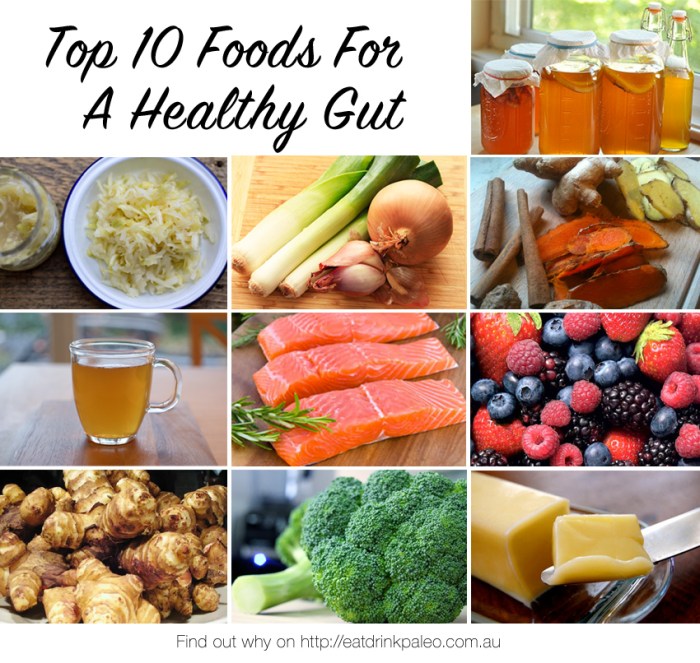
Gut health diet plan is more than just a diet; it’s a journey towards a healthier, happier you. This plan explores the profound connection between what we eat and the thriving ecosystem within our gut. We’ll delve into the science behind gut health, uncovering how specific foods, cooking techniques, and dietary approaches can nurture a balanced microbiome. From understanding the benefits of diverse food groups to exploring popular dietary styles like veganism, keto, and intermittent fasting, we’ll equip you with the knowledge to make informed choices that support your gut’s well-being.
This guide provides practical strategies for optimizing your diet, including delicious recipes, helpful cooking tips, and insights into superfoods and supplements. We’ll also address common concerns, such as potential nutrient deficiencies in specific diets and the safe implementation of intermittent fasting. Ultimately, this plan empowers you to cultivate a vibrant gut, leading to improved energy levels, better cognitive function, and enhanced overall health.
Defining a Gut Health Diet Plan
A gut health diet plan is a carefully designed eating strategy aimed at optimizing the composition and function of the gut microbiome—the vast community of microorganisms residing in our digestive tract. Its core principles revolve around nourishing beneficial bacteria while limiting the growth of harmful ones, ultimately promoting overall digestive health and well-being. This involves a holistic approach that considers not only the types of food consumed but also the timing and preparation methods.
The primary objective is to create a balanced gut ecosystem that supports optimal digestion, nutrient absorption, and immune function.A healthy gut microbiome is incredibly diverse, comprising a wide array of bacterial species, each playing a unique role in maintaining homeostasis. A diet designed to support this diversity focuses on providing the necessary prebiotics and probiotics to nurture this complex ecosystem.
The relationship between diet and gut health is profoundly intertwined; what we eat directly impacts the types and numbers of bacteria thriving in our gut. For example, a diet rich in processed foods, sugar, and saturated fats can lead to an imbalance, known as dysbiosis, characterized by an overgrowth of harmful bacteria and a depletion of beneficial ones.
Conversely, a diet rich in diverse plant-based foods promotes a flourishing and balanced microbiome.
Key Dietary Components for Gut Health
The foundation of a gut health diet plan lies in incorporating foods rich in prebiotics and probiotics. Prebiotics are non-digestible food ingredients that act as nourishment for beneficial bacteria, promoting their growth and activity. Probiotics, on the other hand, are live microorganisms, primarily bacteria and yeasts, that when consumed in adequate amounts, confer a health benefit on the host.
Beyond these, focusing on a variety of fiber sources and minimizing processed foods is crucial.
Prebiotics and Probiotics in the Diet
Prebiotics are abundant in various fruits, vegetables, and whole grains. Examples include inulin (found in onions, garlic, and asparagus), fructooligosaccharides (FOS, found in bananas, artichokes, and onions), and resistant starch (found in cooked and cooled potatoes, beans, and lentils). Probiotics are found in fermented foods such as yogurt, kefir, sauerkraut, kimchi, and kombucha. It is important to note that the probiotic strains vary across these foods.
The amount and type of probiotics needed may also vary between individuals.
Impact of Food Groups on the Gut Microbiome, Gut health diet plan
Different food groups exert varying effects on the gut microbiome. Fruits and vegetables, particularly those rich in fiber, are essential for feeding beneficial bacteria. Whole grains provide a similar benefit due to their fiber content. Lean proteins, such as those from fish, poultry, and legumes, support a healthy gut environment. However, excessive consumption of red and processed meats has been linked to negative changes in the gut microbiome composition.
Similarly, a diet high in added sugars and saturated fats can promote the growth of harmful bacteria, leading to inflammation and potential health issues. A balanced intake, emphasizing plant-based foods and minimizing processed items, is key to fostering a thriving gut microbiome.
Healthy Recipes and Cooking Tips for Gut Health
A healthy gut is crucial for overall well-being, and a significant factor in achieving this is through a diet rich in gut-friendly foods. The recipes and cooking tips below are designed to help you incorporate these foods easily into your daily meals, promoting a thriving gut microbiome. Remember to consult with a healthcare professional or registered dietitian before making significant dietary changes, especially if you have underlying health conditions.
Healthy Recipes for Gut Health
The following recipes emphasize prebiotic and probiotic-rich foods, along with easily digestible ingredients to minimize gut irritation. Each recipe offers a balanced nutritional profile supporting a healthy gut.
| Name | Ingredients | Instructions | Notes |
|---|---|---|---|
| Overnight Oats with Berries and Chia Seeds | 1/2 cup rolled oats, 1 cup milk (dairy or plant-based), 1/4 cup mixed berries, 1 tbsp chia seeds, 1 tbsp honey or maple syrup (optional) | Combine oats, milk, berries, chia seeds, and sweetener (if using) in a jar or container. Stir well. Refrigerate overnight. Enjoy cold. | Chia seeds are excellent for gut health due to their fiber content. Berries provide antioxidants. |
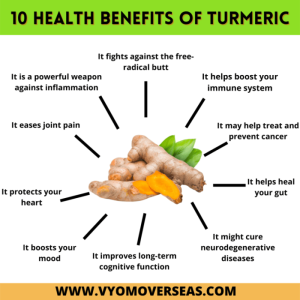
| Lentil Soup with Turmeric and Ginger | 1 cup red lentils, 4 cups vegetable broth, 1 onion (chopped), 2 cloves garlic (minced), 1 inch ginger (grated), 1 tsp turmeric, salt and pepper to taste | Sauté onion and garlic in a pot. Add lentils, broth, ginger, and turmeric. Bring to a boil, then simmer for 20-25 minutes, or until lentils are tender. Season with salt and pepper. | Lentils are a great source of fiber. Turmeric and ginger possess anti-inflammatory properties beneficial for gut health. |
| Salmon with Roasted Asparagus and Sweet Potatoes | 1 salmon fillet, 1 bunch asparagus, 1 medium sweet potato (cubed), olive oil, salt, pepper, herbs (rosemary, thyme) | Preheat oven to 400°F (200°C). Toss asparagus and sweet potato with olive oil, salt, pepper, and herbs. Roast for 20 minutes. Bake or pan-fry salmon for 12-15 minutes. | Salmon is rich in omega-3 fatty acids, which support gut health. Asparagus and sweet potatoes provide fiber and vitamins. |
| Kimchi and Brown Rice Bowl | 1 cup cooked brown rice, 1/2 cup kimchi, 1/4 avocado (sliced), 1/4 cup shredded carrots, sesame seeds | Combine cooked brown rice, kimchi, avocado, and shredded carrots in a bowl. Top with sesame seeds. | Kimchi is a fermented food rich in probiotics. Brown rice provides fiber. |
| Greek Yogurt with Banana and Nuts | 1 cup plain Greek yogurt, 1/2 banana (sliced), 1/4 cup chopped nuts (almonds, walnuts) | Combine Greek yogurt, banana slices, and chopped nuts in a bowl. | Greek yogurt is a good source of probiotics. Bananas provide prebiotics, and nuts offer healthy fats and fiber. |
Cooking Tips to Maximize Gut Health Benefits
Careful preparation techniques can significantly enhance the nutritional value and gut-friendly properties of your food.
These tips focus on preserving nutrients and minimizing gut irritation:
- Steam or lightly sauté vegetables to retain more vitamins and minerals compared to boiling.
- Choose low-heat cooking methods whenever possible to avoid nutrient degradation.
- Incorporate fermented foods like kimchi, sauerkraut, and kefir regularly into your diet for their probiotic content.
- Minimize processed foods, refined sugars, and unhealthy fats, as these can negatively impact gut health.
- Properly store and handle foods to prevent spoilage and reduce the risk of foodborne illnesses.
Techniques for Minimizing Gut Irritation and Maximizing Nutrient Absorption
Digestibility is key to maximizing nutrient absorption and avoiding gut distress.
These techniques help achieve optimal gut comfort and nutrient uptake:
- Thoroughly chew your food to aid digestion and reduce the workload on your gut.
- Cook foods until tender, especially for those with sensitive digestive systems.
- Introduce new foods gradually to assess your tolerance and avoid potential adverse reactions.
- Stay hydrated by drinking plenty of water throughout the day to support digestive processes.
- Consider pre-soaking legumes and grains to improve digestibility and reduce gas.
Vegan and Vegetarian Diets for Gut Health
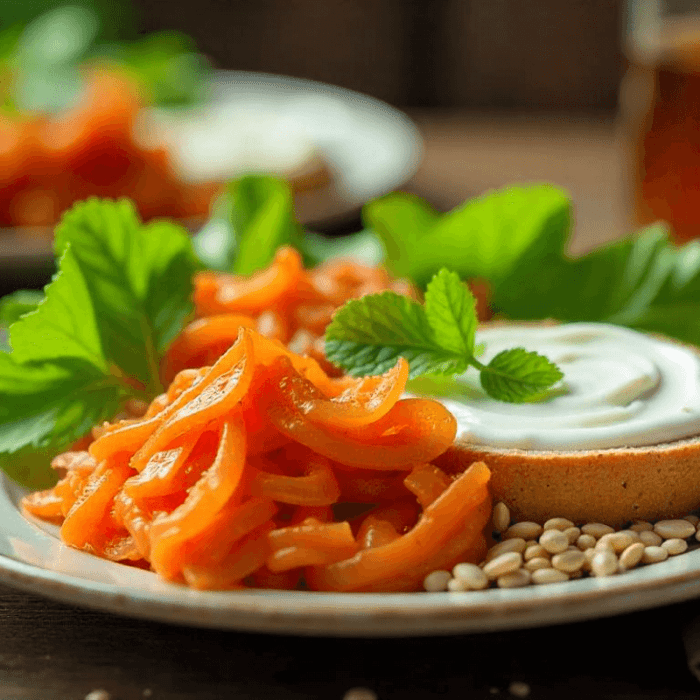
Plant-based diets, encompassing vegan and vegetarian approaches, are increasingly recognized for their potential benefits to gut health. These diets often feature high fiber intake from fruits, vegetables, legumes, and whole grains, all of which nourish beneficial gut bacteria. However, careful planning is crucial to ensure adequate nutrient intake and avoid potential deficiencies.Vegetarian and vegan diets, when well-planned, offer significant advantages for gut health.
The high fiber content promotes regular bowel movements, preventing constipation and supporting a diverse gut microbiome. Furthermore, the abundance of plant-based polyphenols and prebiotics found in fruits, vegetables, and legumes act as fuel for beneficial gut bacteria, enhancing their growth and activity. This, in turn, contributes to improved digestion, enhanced immunity, and a reduced risk of various chronic diseases.
Nutrient Deficiencies in Vegan/Vegetarian Diets and Prevention Strategies
Careful consideration is necessary to avoid potential nutrient deficiencies when adopting a vegan or vegetarian diet. Certain nutrients, readily available in animal products, require deliberate supplementation or strategic food choices in plant-based eating plans.
A common concern is Vitamin B12 deficiency. Vitamin B12 is primarily found in animal products and is crucial for nerve function and red blood cell production. Vegans and vegetarians should supplement with Vitamin B12 or consume fortified foods like plant milks or nutritional yeast. Iron deficiency is another potential issue, as non-heme iron (found in plants) is less readily absorbed than heme iron (found in meat).
Pairing iron-rich foods like lentils or spinach with vitamin C-rich foods like citrus fruits enhances iron absorption. Similarly, calcium, usually obtained from dairy products, needs careful attention. Good sources of calcium for vegans include fortified plant milks, tofu, leafy greens, and sesame seeds. Omega-3 fatty acids, predominantly found in fatty fish, are also important. Vegans can obtain omega-3s from flaxseeds, chia seeds, and walnuts, although the type of omega-3s in these sources is different from those found in fish.
Sample Weekly Vegan/Vegetarian Meal Plan for Gut Health
This sample meal plan prioritizes fiber, prebiotics, and diverse nutrient sources to support gut health while ensuring adequate protein intake. It’s important to adjust portion sizes based on individual needs and activity levels. Variety is key to maximizing nutrient intake and supporting a diverse gut microbiome.
Monday: Breakfast: Overnight oats with berries and chia seeds; Lunch: Lentil soup with whole-grain bread; Dinner: Tofu stir-fry with brown rice and a variety of vegetables.
Tuesday: Breakfast: Smoothie with spinach, banana, almond milk, and protein powder; Lunch: Quinoa salad with chickpeas, cucumber, and tomatoes; Dinner: Black bean burgers on whole-wheat buns with sweet potato fries.
Wednesday: Breakfast: Whole-wheat toast with avocado and tomato; Lunch: Leftover black bean burgers; Dinner: Vegetable curry with brown rice.
Thursday: Breakfast: Greek yogurt (if vegetarian) or soy yogurt (if vegan) with fruit and granola; Lunch: Salad with grilled halloumi (vegetarian) or chickpeas (vegan) and mixed greens; Dinner: Pasta with marinara sauce and vegetables.
Friday: Breakfast: Scrambled tofu with vegetables; Lunch: Leftover pasta; Dinner: Pizza with whole-wheat crust, vegetables, and vegan cheese.
Saturday: Breakfast: Pancakes made with whole-wheat flour and topped with fruit; Lunch: Soup and sandwich; Dinner: Roasted vegetables with chickpeas.
Sunday: Breakfast: Breakfast burrito with scrambled tofu and vegetables; Lunch: Leftover roasted vegetables; Dinner: Vegan chili with cornbread.
Keto and Low-Carb Diets and Gut Health
Ketogenic and low-carb diets, characterized by drastically reduced carbohydrate intake and increased fat consumption, have gained popularity for weight loss and other health benefits. However, their impact on the gut microbiome, the complex community of microorganisms residing in our intestines, is a subject of ongoing research and debate. Understanding this impact is crucial for assessing the long-term effects of these diets on overall health.The impact of keto and low-carb diets on the gut microbiome is complex and not fully understood.
While some studies suggest potential benefits, others highlight potential risks. These diets often lead to significant shifts in the types and abundance of gut bacteria, potentially impacting various aspects of health, including digestion, immunity, and metabolism. The long-term effects, especially on gut microbial diversity, remain a significant area of investigation.
Keto and Low-Carb Diets: Microbial Composition Changes
Initial shifts in gut microbiota are commonly observed with the adoption of ketogenic and low-carb diets. These diets typically result in a decrease in the abundance of bacteria that thrive on carbohydrates, such as certain species of
- Bifidobacteria* and
- Bacteroides*. Conversely, there may be an increase in bacteria that utilize alternative energy sources like short-chain fatty acids (SCFAs) produced from the breakdown of fats. However, the extent and direction of these changes can vary greatly depending on individual factors like initial gut microbiome composition, diet adherence, and the specific macronutrient ratios consumed. For instance, a study might show a significant decrease in
- Bifidobacterium* species in a group following a strict keto diet, while another study could find minimal changes in a group following a more moderate low-carb approach. These variations highlight the need for personalized dietary strategies and ongoing monitoring.
Potential Benefits of Keto/Low-Carb Diets for Gut Health
Some research suggests potential benefits of keto and low-carb diets on specific aspects of gut health. For example, these diets may improve symptoms in individuals with certain inflammatory bowel diseases (IBDs) by reducing inflammation and altering the gut microbiome composition. In these cases, the reduction in certain carbohydrate types may limit the production of inflammatory molecules. However, it’s crucial to note that these benefits are not universally observed and may depend on factors such as the severity of the disease and individual responses.
The observed benefits are often associated with a reduction in inflammation and a shift towards a microbiome profile that is considered more beneficial in the context of the specific disease. This is an area of active research, and more studies are needed to confirm these findings and understand the underlying mechanisms.
Potential Risks of Keto/Low-Carb Diets for Gut Health
The restriction of many fruits, vegetables, and whole grains inherent in strict keto and low-carb diets can significantly limit dietary fiber intake. This reduction in fiber can negatively impact gut health by decreasing the diversity and abundance of beneficial gut bacteria. Fiber acts as a prebiotic, nourishing these beneficial bacteria and promoting a balanced gut microbiome. A lack of fiber can lead to constipation, impaired gut barrier function, and an increased risk of dysbiosis, an imbalance in the gut microbiome, potentially leading to various health issues.
Long-term adherence to extremely restrictive low-fiber diets may increase the risk of developing conditions like irritable bowel syndrome (IBS) or other gastrointestinal disorders in susceptible individuals.
Incorporating Prebiotics and Fiber into Keto/Low-Carb Diets
Despite the challenges, it is possible to incorporate prebiotics and fiber into keto and low-carb diets. Focusing on non-starchy vegetables like leafy greens, asparagus, broccoli, and cauliflower can provide a source of fiber and other beneficial nutrients without significantly impacting carbohydrate intake. Furthermore, incorporating certain nuts and seeds, such as chia seeds, flax seeds, and almonds, can add fiber and healthy fats to the diet.
Careful meal planning and strategic food choices are key to achieving a balance between dietary restrictions and the maintenance of a healthy gut microbiome. For example, adding a serving of avocado or a handful of macadamia nuts can significantly boost fiber and healthy fat intake without compromising the ketogenic state. Supplementing with psyllium husk or other soluble fibers may also be considered, but it is advisable to consult with a healthcare professional or registered dietitian before introducing any supplements.
Superfoods and Supplements for Gut Health
Supporting a healthy gut microbiome is crucial for overall well-being. A balanced diet rich in diverse foods, combined with a considered approach to supplementation, can significantly contribute to gut health. This section will explore specific superfoods and supplements that offer notable benefits.
Superfoods for Gut Health
Certain foods stand out for their positive impact on gut microbiota. These “superfoods” are rich in nutrients that directly or indirectly support the growth of beneficial bacteria while inhibiting the growth of harmful bacteria. Their effects are often multifaceted, encompassing improved digestion, enhanced nutrient absorption, and strengthened immune function.
- Yogurt (with live and active cultures): Yogurt containing live and active cultures, particularly Lactobacillus and Bifidobacterium strains, provides a direct source of probiotics. These beneficial bacteria colonize the gut, improving digestion and potentially reducing inflammation. The mechanism involves the production of beneficial metabolites and competition with harmful bacteria for resources.
- Kimchi: This fermented Korean dish is rich in probiotics, particularly lactic acid bacteria, and also contains prebiotics (fibers that feed probiotics) from various vegetables. The fermentation process enhances the bioavailability of nutrients and creates beneficial compounds that support gut health. The prebiotic fibers provide fuel for the probiotic bacteria already present in the gut.
- Bananas: Bananas are a good source of prebiotic fiber, particularly resistant starch, which is not digested in the small intestine but reaches the large intestine where it feeds beneficial gut bacteria. This fermentation process produces short-chain fatty acids (SCFAs) like butyrate, which nourish the gut lining and have anti-inflammatory properties. The increase in beneficial bacteria helps maintain a balanced gut ecosystem.
- Blueberries: These berries are packed with antioxidants and polyphenols, which possess anti-inflammatory properties. These compounds can protect the gut lining from damage and help maintain a healthy gut barrier. Additionally, the fiber content in blueberries contributes to a healthy gut microbiome by acting as prebiotic fuel for beneficial bacteria.
- Oats: Oats are a rich source of beta-glucan, a soluble fiber that acts as a prebiotic, promoting the growth of beneficial bacteria in the gut. Beta-glucan also helps regulate blood sugar levels and improve cholesterol profiles, indirectly contributing to overall health and potentially reducing the risk of gut-related disorders. The fermentation of beta-glucan leads to the production of SCFAs, further supporting gut health.
Supplements for Gut Health
While a balanced diet is the cornerstone of gut health, supplements can play a supporting role in specific circumstances. However, it is crucial to remember that supplements should not replace a healthy diet.
Probiotics are live microorganisms, similar to those found in yogurt and fermented foods, that are introduced into the body to improve gut health. They can help restore balance to the gut microbiota after antibiotic use or illness, and some studies suggest they may reduce symptoms of certain digestive disorders. Prebiotics are non-digestible food ingredients that stimulate the growth and activity of beneficial bacteria in the gut.
They act as food for the probiotics. Examples include inulin and fructooligosaccharides (FOS), found in many fruits and vegetables. A combination of probiotics and prebiotics, known as synbiotics, is also available.
Potential Risks of Excessive Supplement Use
While generally considered safe when taken as directed, excessive use of gut health supplements can carry potential risks. For instance, excessive probiotic intake can lead to bloating, gas, and diarrhea in some individuals, particularly those with compromised immune systems. Furthermore, interactions with medications are possible. Always consult a healthcare professional before starting any new supplement regimen, especially if you have underlying health conditions or are taking other medications.
Over-reliance on supplements can also distract from addressing the root causes of gut health issues through diet and lifestyle changes.
Intermittent Fasting and Gut Health: Gut Health Diet Plan
Intermittent fasting (IF), characterized by cycling between periods of eating and voluntary fasting, has gained popularity as a weight management strategy. However, emerging research also suggests potential impacts on gut health, a complex ecosystem crucial for overall well-being. The effects are multifaceted and depend on the chosen IF method, individual factors, and the overall dietary approach.Intermittent fasting encompasses various methods, each differing in the frequency and duration of eating and fasting periods.
These methods can significantly influence the gut microbiome and its function.
Methods of Intermittent Fasting and Their Impact on Gut Health
Different intermittent fasting protocols affect the gut microbiome in diverse ways. The 16/8 method, involving an 8-hour eating window and a 16-hour fast, is relatively common and generally well-tolerated. Alternate-day fasting, where individuals consume calories on one day and significantly restrict them on the other, presents a more intense challenge to the body and gut. The 5:2 diet, involving two days of significantly reduced calorie intake and five days of normal eating, represents another approach.
The effects on the gut microbiome vary depending on the specific method, with some studies showing shifts in bacterial composition and others indicating minimal changes. For example, some research suggests that alternate-day fasting might reduce the abundance of certain bacterial species, while the 16/8 method may have a milder impact. These variations highlight the need for personalized approaches.
Potential Benefits of Intermittent Fasting for Gut Health
Some studies suggest that intermittent fasting may offer certain benefits for gut health. These include improved gut barrier function, potentially reducing inflammation and improving the absorption of nutrients. Additionally, some research indicates that IF may promote beneficial changes in the gut microbiome composition, increasing the abundance of specific bacteria associated with improved metabolic health. It’s important to note that these benefits are not universally observed and depend on factors like the individual’s baseline health, the duration and type of fasting, and the overall diet.
For example, a study might show improved insulin sensitivity in individuals with type 2 diabetes who practiced intermittent fasting, a positive indirect effect on gut health.
Potential Drawbacks of Intermittent Fasting for Gut Health
While potentially beneficial, intermittent fasting can also pose some risks to gut health, particularly if not implemented carefully. Some individuals may experience negative effects such as changes in gut motility, leading to constipation or other digestive discomfort. The prolonged fasting periods might disrupt the balance of the gut microbiome, potentially reducing the diversity of beneficial bacteria. This disruption, if significant, could lead to increased susceptibility to infections or inflammation.
Furthermore, the stress response triggered by fasting could negatively affect the gut-brain axis, influencing mood and cognitive function. Individuals with pre-existing gastrointestinal conditions such as irritable bowel syndrome (IBS) or inflammatory bowel disease (IBD) should exercise particular caution and consult with healthcare professionals before starting intermittent fasting.
Recommendations for Safe Implementation of Intermittent Fasting
To minimize potential risks and maximize potential benefits, a gradual and mindful approach is recommended when implementing intermittent fasting. Begin with shorter fasting periods and gradually increase the duration as tolerated. Prioritize a nutrient-dense diet during the eating window, focusing on whole foods rich in fiber and prebiotics to support a healthy gut microbiome. Staying adequately hydrated throughout the fasting period is crucial.
Listen to your body’s signals and adjust the fasting schedule as needed. Regular monitoring of bowel movements and overall digestive health is important. Consulting a healthcare professional or registered dietitian is strongly advised, particularly for individuals with pre-existing health conditions or those taking medications. A personalized approach is essential to ensure the safety and efficacy of intermittent fasting for individual gut health.
Embarking on a gut health diet plan is an investment in your long-term well-being. By understanding the intricate relationship between diet and your gut microbiome, you gain the power to influence your health in profound ways. Remember, consistent effort and mindful choices are key. This journey, while requiring commitment, will reward you with increased energy, improved digestion, and a stronger foundation for overall health and vitality.
Start today, and discover the transformative power of a gut-friendly diet.
FAQ Compilation
What are the signs of poor gut health?
Symptoms can include bloating, gas, constipation, diarrhea, fatigue, skin issues, and weakened immunity.
Can I lose weight on a gut-health diet?
Yes, a balanced gut-health diet can support weight management by improving metabolism and reducing cravings.
How long does it take to see results from a gut health diet?
Results vary, but many people experience improvements in digestion and energy levels within a few weeks.
Are there any foods I should completely avoid?
Highly processed foods, excessive sugar, and unhealthy fats should be limited or avoided. Individual sensitivities may vary.