How to Fuel for a Marathon
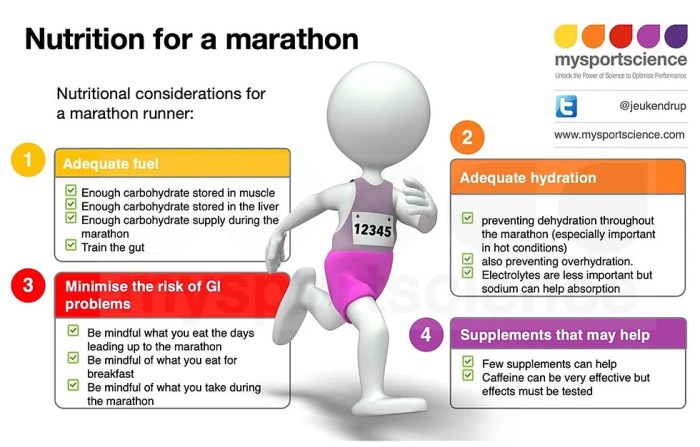
How to fuel for a marathon is a crucial aspect of achieving peak performance. This guide delves into the science and strategies behind optimizing your nutrition for this demanding endurance event, covering everything from carbohydrate loading and hydration plans to race-day fueling and long-term dietary considerations. We’ll explore various approaches, including vegan and vegetarian options, and address common concerns to help you create a personalized nutrition plan that supports your training and race goals.
Preparing your body for a marathon involves more than just training; it requires a strategic and well-planned nutrition regimen. This guide provides a comprehensive approach, exploring various fueling strategies to maximize your energy levels, endurance, and recovery throughout your training and on race day. We’ll discuss the importance of macronutrient balance, hydration, and electrolyte replenishment, offering practical tips and sample plans to help you fuel your body effectively.
Carbohydrate Loading Strategies for Marathon Runners: How To Fuel For A Marathon
Marathon running demands significant energy expenditure, and proper carbohydrate fueling is crucial for optimal performance. Carbohydrate loading, a strategy designed to maximize glycogen stores in muscles and liver, aims to enhance endurance and delay fatigue during prolonged exercise. This involves manipulating carbohydrate intake in the days leading up to a race.
The Science Behind Carbohydrate Loading, How to fuel for a marathon
The human body primarily utilizes carbohydrates as its preferred energy source during endurance events. Glycogen, the stored form of carbohydrate, is the fuel for muscle contractions. Carbohydrate loading aims to increase muscle glycogen levels beyond their typical capacity, providing a larger energy reserve for the marathon. This process involves depleting glycogen stores through intense exercise followed by a period of high carbohydrate intake.
The increased insulin sensitivity resulting from glycogen depletion allows for greater glycogen uptake and storage. This enhanced glycogen availability translates to improved endurance, delayed fatigue, and potentially a faster race time.
A Sample Carbohydrate-Loading Plan
This plan is a suggestion and should be adjusted based on individual needs and tolerance. It’s crucial to practice this plan in training runs before race day to assess your body’s response.
Week Before Marathon:
Monday – Wednesday: Moderate carbohydrate intake (5-7 grams per kilogram of body weight). Focus on complex carbohydrates like whole grains, fruits, and vegetables. Include regular training runs at moderate intensity.
Thursday: Reduce carbohydrate intake to 3-4 grams per kilogram of body weight. Perform a long, hard training run to deplete glycogen stores. This helps maximize glycogen replenishment during the high-carbohydrate days.
Friday – Saturday: High carbohydrate intake (8-10 grams per kilogram of body weight). Focus on easily digestible carbohydrates like pasta, rice, potatoes, and bread. Keep training intensity low.
Sunday (Race Day): Maintain a moderate carbohydrate intake, focusing on easily digestible sources. Avoid trying new foods on race day.
Example: For a 70kg runner, this translates to approximately 350-490g of carbohydrates on high-carbohydrate days and 210-280g on moderate days.
Potential Drawbacks of Carbohydrate Loading and Mitigation Strategies
While effective, carbohydrate loading can lead to some undesirable side effects. Water retention, leading to weight gain and bloating, is common. Gastrointestinal distress, including nausea, cramping, and diarrhea, can also occur due to the sudden increase in carbohydrate intake. To mitigate these risks, it’s crucial to gradually increase carbohydrate intake, choose low-fiber, easily digestible carbohydrate sources during the loading phase, and ensure adequate hydration.
Practicing the carbohydrate loading strategy during training allows you to identify and adjust to any potential issues.
Comparison of Carbohydrate Loading Methods
Different strategies exist for carbohydrate loading, each with its own advantages and disadvantages.
| Method | Description | Advantages | Disadvantages |
|---|---|---|---|
| Fast Loading | Rapid increase in carbohydrate intake over 1-3 days. | Quick glycogen replenishment. | Higher risk of gastrointestinal distress and water retention. |
| Slow Loading | Gradual increase in carbohydrate intake over 4-7 days. | Lower risk of gastrointestinal distress and water retention. | May not maximize glycogen stores as effectively as fast loading. |
| Classical Loading | Depleting glycogen stores through intense exercise followed by a high-carbohydrate diet. | Widely used and generally effective. | Requires careful planning and monitoring. |
| Modified Loading | Focuses on maintaining adequate glycogen stores throughout training without extreme depletion. | Reduces risk of overtraining and potential side effects. | May not achieve the same level of glycogen supercompensation as classical loading. |
Hydration and Electrolyte Balance During Marathon Training and the Race
Maintaining proper hydration and electrolyte balance is crucial for optimal marathon performance. Dehydration, even mild, can significantly impair endurance, increase fatigue, and raise the risk of heat-related illnesses. Electrolyte imbalances, often accompanying dehydration, can lead to muscle cramps, weakness, and decreased cognitive function, all detrimental to completing a marathon successfully. This section will explore practical strategies for managing hydration and electrolytes throughout your training and race day.
Monitoring Hydration Levels
Effective hydration monitoring requires a multi-faceted approach. Regularly weighing yourself before and after training sessions provides a quantifiable measure of fluid loss. Pay close attention to the color of your urine; pale yellow indicates adequate hydration, while dark yellow suggests dehydration. Furthermore, monitoring your thirst sensation, while important, shouldn’t be the sole indicator as thirst can lag behind actual dehydration.
During the race, access to water and electrolyte drinks at aid stations is essential. However, pre-race planning is crucial to establish a hydration strategy that addresses your individual needs.
Electrolyte-Rich Foods and Beverages
Adequate electrolyte replenishment is paramount to prevent imbalances. Electrolytes, such as sodium, potassium, magnesium, and calcium, are lost through sweat and need to be replaced. A balanced diet is the foundation, incorporating foods naturally rich in these electrolytes.
- Bananas are a good source of potassium.
- Sweet potatoes provide potassium and magnesium.
- Coconut water is a natural source of electrolytes.
- Sports drinks offer a convenient way to replenish electrolytes, particularly sodium.
It’s important to note that the type and amount of electrolytes needed can vary based on individual sweat rates and the intensity and duration of training or the race. Consulting a sports dietitian or physician can help you personalize your electrolyte intake strategy.
Developing a Personalized Hydration Plan
Creating a personalized hydration plan requires considering several factors, including climate conditions, individual sweat rates, and the intensity and duration of training or the race. For example, a runner training in a hot and humid climate will need to consume significantly more fluids than someone training in a cooler, drier environment. Furthermore, individuals with higher sweat rates will lose more electrolytes and require more frequent replenishment.
A general guideline is to aim for a urine output that is pale yellow and consistent throughout the day.
During long training runs, experiment with different hydration strategies to find what works best for you. This might involve carrying water bottles, utilizing hydration packs, or relying on readily available water sources along your route. For race day, create a detailed hydration plan based on the course’s aid station locations and your planned pace. Remember to consume fluids regularly, even if you don’t feel thirsty, to prevent dehydration.
A well-defined hydration strategy minimizes the risk of performance impairment and ensures a safe and successful marathon experience.
Fueling Strategies During the Marathon Itself
Successfully completing a marathon requires a well-defined fueling strategy during the race itself, in addition to proper training and carbohydrate loading beforehand. Consistent energy intake prevents hitting the dreaded “wall,” a sudden drop in energy levels typically occurring between miles 18 and 22. This section will explore various fueling options and help you develop a personalized plan.
Marathon fueling isn’t a one-size-fits-all approach. The optimal strategy depends on individual factors such as running pace, gut tolerance, and personal preferences. Experimentation during training runs is crucial to determine what works best for you on race day. Don’t try anything new on marathon day itself.
Types of Marathon Fuel and Their Characteristics
Different fuel sources offer varying benefits and drawbacks. Understanding these differences allows for informed choices within your personalized plan.
- Gels: These are convenient, concentrated sources of carbohydrates, often providing 20-30 grams of easily digestible sugars per serving. Pros include portability and quick absorption. Cons can include gastrointestinal distress if consumed too quickly or in large quantities, and a potentially overly sweet taste for some runners.
- Chews: Chews offer a more solid alternative to gels, often providing a similar carbohydrate load but with added texture and flavor variety. Pros include potentially better gut tolerance than gels for some runners and a more satisfying mouthfeel. Cons may include a slower digestion rate compared to gels.
- Sports Drinks: These provide carbohydrates along with electrolytes, crucial for maintaining hydration and preventing cramping. Pros include replenishing both energy and electrolytes, and potentially better hydration than water alone. Cons can include excessive sugar content in some brands, and potential for gastrointestinal issues if not tolerated well.
Creating a Personalized Fueling Plan
Developing a personalized plan involves considering factors such as your running pace, experience, and past race performance. It’s essential to practice your fueling strategy during long training runs to identify potential problems and fine-tune your approach.
Consider the following when designing your plan:
- Running Pace: Faster paces generally require more frequent and higher carbohydrate intake.
- Gut Tolerance: Experiment with different fuels during training to determine what your stomach can handle without discomfort.
- Personal Preferences: Choose fuels you enjoy and find palatable to ensure consistent intake throughout the race.
Sample Fueling Schedule for a Marathon
This is a sample schedule and should be adapted based on individual needs and preferences. Remember to practice this schedule during training runs.
The following schedule assumes a relatively even pace throughout the race. Adjust the frequency and quantity of fuel intake based on your pace and individual needs.
- Miles 0-10: Focus on hydration with water or a dilute sports drink. May consume a chew or half a gel if needed.
- Miles 10-20: Consume a gel or chew every 30-45 minutes, along with regular sips of sports drink or water.
- Miles 20-26.2: Continue with the same fueling strategy as miles 10-20, potentially increasing the frequency if needed. Prioritize hydration.
Pre-Marathon Nutrition
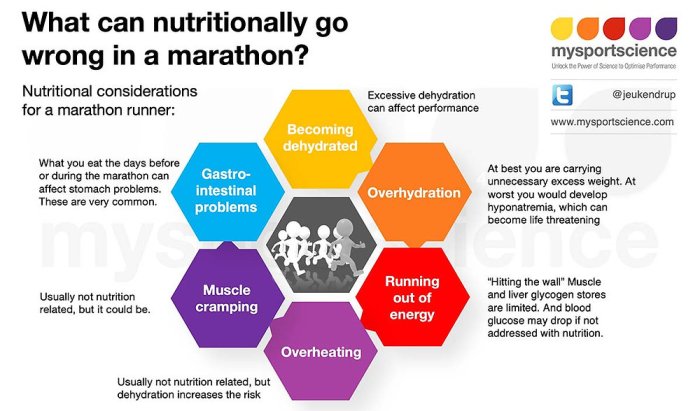
The week leading up to a marathon is crucial for optimizing your body’s fuel stores and ensuring you have the energy needed to complete the race. Consistent nutrition during this period is paramount, avoiding drastic changes to your diet that could upset your digestive system. This phase focuses on maintaining a balanced intake of carbohydrates, proteins, and healthy fats while also paying close attention to hydration and fiber consumption.
Importance of Consistent Nutrition in the Week Before a Marathon
Maintaining a consistent nutritional intake in the week before a marathon prevents sudden energy crashes and digestive upsets. Significant dietary changes during this period can negatively impact performance and increase the risk of gastrointestinal issues during the race. A steady supply of complex carbohydrates provides sustained energy, while adequate protein supports muscle repair and recovery. This consistency allows your body to adapt and efficiently utilize the fuel you provide.
Sample Meal Plan for the Week Before a Marathon
This sample meal plan emphasizes complex carbohydrates, lean proteins, and healthy fats, providing a balanced macronutrient intake to support your energy needs and aid in glycogen replenishment. Remember to adjust portion sizes based on your individual caloric needs and training volume.
Monday: Oatmeal with berries and nuts for breakfast, a chicken salad sandwich on whole-wheat bread for lunch, and baked salmon with roasted vegetables for dinner.
Tuesday: Whole-wheat toast with avocado for breakfast, lentil soup with a side salad for lunch, and chicken stir-fry with brown rice for dinner.
Wednesday: Greek yogurt with fruit and granola for breakfast, a turkey and vegetable wrap for lunch, and lean beef with sweet potato and green beans for dinner.
Thursday: Scrambled eggs with whole-wheat toast for breakfast, a quinoa salad with chickpeas and vegetables for lunch, and pasta with marinara sauce and lean ground turkey for dinner.
Friday: Smoothie with fruit, yogurt, and spinach for breakfast, leftover pasta for lunch, and pizza with whole-wheat crust and plenty of vegetables for dinner.
Saturday: Pancakes made with whole-wheat flour for breakfast, a sandwich with whole-wheat bread and lean meat for lunch, and a light dinner such as a chicken breast with a small portion of rice and steamed vegetables.
Sunday (Race Day – Morning): A small breakfast of easily digestible foods like toast with a little jam and a banana. Avoid anything new or high in fiber.
The Role of Fiber and its Impact on Digestive Health During a Marathon
Fiber, while essential for overall health, can cause digestive discomfort during a marathon. High-fiber foods can lead to bloating, cramping, and even diarrhea. In the week leading up to the marathon, it is advisable to gradually reduce your fiber intake, focusing on easily digestible carbohydrates. This doesn’t mean eliminating fiber entirely, but rather moderating its consumption to avoid potential digestive issues during the race.
A Balanced Plate for a Pre-Marathon Dinner
Imagine a dinner plate divided into three sections. One-half of the plate is filled with complex carbohydrates such as brown rice or quinoa. One-quarter of the plate is dedicated to lean protein, such as grilled chicken breast or baked fish. The remaining quarter is filled with a colorful array of steamed or roasted vegetables, providing essential vitamins and minerals without excessive fiber.
This visual representation embodies a balanced pre-marathon meal, ensuring sufficient energy without digestive distress.
Healthy Recipes and Cooking Tips for Marathon Training
Fueling your body effectively during marathon training is crucial for optimal performance and recovery. This section focuses on providing you with practical, healthy recipes and time-saving cooking tips to support your demanding training schedule. We’ll emphasize whole foods, nutrient density, and efficient meal preparation strategies.
Three Healthy Recipes for Marathon Training
These recipes are designed to provide a balance of carbohydrates for energy, protein for muscle repair, and healthy fats for overall well-being. They are also easily adaptable to your dietary preferences and available ingredients.
Recipe 1: Quinoa and Black Bean Bowl with Roasted Sweet Potatoes
This bowl is packed with complex carbohydrates, fiber, and protein, making it an ideal pre- or post-workout meal. Ingredients: 1 cup quinoa, 1 large sweet potato (cubed), 1 can (15 ounces) black beans (rinsed and drained), 1 red bell pepper (chopped), ½ red onion (chopped), 2 tablespoons olive oil, salt and pepper to taste. Instructions: Preheat oven to 400°F (200°C).
Toss sweet potatoes with 1 tablespoon olive oil, salt, and pepper. Roast for 20-25 minutes, or until tender. While sweet potatoes roast, cook quinoa according to package directions. Heat remaining olive oil in a pan and sauté red bell pepper and red onion until softened. Combine cooked quinoa, roasted sweet potatoes, black beans, and sautéed vegetables in a bowl.
Season with salt and pepper to taste.
Recipe 2: Lentil Soup with Spinach
This hearty soup is a fantastic source of plant-based protein and fiber, perfect for a recovery meal after a long run. Ingredients: 1 cup brown or green lentils (rinsed), 4 cups vegetable broth, 1 onion (chopped), 2 carrots (chopped), 2 celery stalks (chopped), 2 cloves garlic (minced), 5 ounces fresh spinach, 1 teaspoon dried oregano, salt and pepper to taste.
Instructions: In a large pot, sauté onion, carrots, and celery in a little olive oil until softened. Add garlic and cook for 1 minute more. Stir in lentils, vegetable broth, and oregano. Bring to a boil, then reduce heat and simmer for 30-40 minutes, or until lentils are tender. Stir in spinach during the last 5 minutes of cooking.
Season with salt and pepper to taste.
Recipe 3: Chicken and Vegetable Stir-fry with Brown Rice
This stir-fry provides a lean protein source with a variety of colorful vegetables and complex carbohydrates. Ingredients: 1 cup brown rice, 4 ounces boneless, skinless chicken breast (cubed), 1 broccoli floret (cut into small pieces), 1 cup snow peas, ½ cup sliced mushrooms, ½ cup sliced bell peppers (any color), 2 tablespoons soy sauce (low sodium), 1 tablespoon sesame oil, 1 teaspoon ginger (grated).
Instructions: Cook brown rice according to package directions. While rice cooks, stir-fry chicken in sesame oil until cooked through. Add broccoli, snow peas, mushrooms, and bell peppers; stir-fry for 3-5 minutes until tender-crisp. Stir in soy sauce and ginger. Serve chicken and vegetable stir-fry over cooked brown rice.
Efficient and Healthy Meal Preparation Tips for Athletes
Time is a precious commodity for marathon runners. These tips will help you prepare healthy meals quickly and efficiently.Preparing large batches of food on the weekend and portioning them out for the week is a significant time saver. Consider using a slow cooker or Instant Pot for hands-off cooking. Utilize pre-cut vegetables and frozen fruits to reduce prep time.
Keep your pantry stocked with whole grains, legumes, and canned goods for quick and easy meal assembly. Embrace simple recipes that require minimal ingredients and cooking time. Focus on cooking methods like roasting, stir-frying, and steaming which are both healthy and fast.
Incorporating a Variety of Fruits, Vegetables, and Lean Proteins
A diverse diet is essential for optimal health and performance.Prioritize whole, unprocessed foods. Include a wide array of colorful fruits and vegetables to ensure a range of vitamins, minerals, and antioxidants. Choose lean protein sources such as chicken, fish, beans, lentils, and tofu. Experiment with different cooking methods to keep meals interesting and prevent boredom. Consider using meal-prep containers to make packing lunches and snacks easy.
Don’t be afraid to try new recipes and flavors to maintain variety and enthusiasm for healthy eating.
Vegan and Vegetarian Diets for Marathon Runners
Successfully completing a marathon requires meticulous planning and execution, and nutrition plays a pivotal role. Vegan and vegetarian diets, while offering numerous health benefits, require careful consideration to ensure sufficient energy and nutrient intake for the demands of marathon training and racing. This section will explore the key nutritional considerations for plant-based marathon runners.
Plant-Based Protein Sources for Optimal Performance
Adequate protein intake is crucial for muscle repair and growth, essential for marathon training. While animal products are often associated with high protein content, numerous plant-based options provide ample protein to support endurance performance. Combining various sources throughout the day ensures a complete amino acid profile.
- Legumes (beans, lentils, chickpeas): Excellent sources of protein and fiber, contributing to sustained energy levels.
- Soy products (tofu, tempeh, edamame): Complete proteins, offering all essential amino acids.
- Nuts and seeds (almonds, chia seeds, pumpkin seeds): Rich in protein and healthy fats, providing sustained energy.
- Quinoa and other grains: While not as high in protein as legumes or soy, they offer a good source alongside other plant-based protein sources.
Potential Nutrient Deficiencies and Prevention Strategies
Vegan and vegetarian diets can sometimes be deficient in certain nutrients vital for athletic performance. Proactive measures are necessary to prevent these deficiencies.
- Iron: Iron deficiency is a common concern among vegetarians and vegans. Strategies include consuming iron-rich foods like lentils, spinach, and fortified cereals, along with vitamin C-rich foods to enhance iron absorption.
- Vitamin B12: Vitamin B12 is primarily found in animal products. Supplementation is often necessary for vegans to maintain optimal levels, as B12 deficiency can lead to fatigue and impaired performance.
- Omega-3 Fatty Acids: While plant-based sources like flaxseeds and chia seeds provide ALA (an omega-3 fatty acid), the body converts ALA to EPA and DHA less efficiently than consuming them directly from animal sources. Supplementation with algae-based omega-3s can be considered.
- Calcium: Crucial for bone health, calcium can be obtained from plant-based milk alternatives (soy, almond, oat), leafy greens, and fortified foods.
- Zinc: Important for immune function, zinc can be found in legumes, nuts, and seeds.
Sample Weekly Vegan/Vegetarian Marathon Training Meal Plan
This sample meal plan provides a general guideline and should be adjusted based on individual needs, training intensity, and caloric requirements. It emphasizes whole, unprocessed foods and a variety of plant-based protein sources.
| Day | Breakfast | Lunch | Dinner | Snacks |
|---|---|---|---|---|
| Monday | Oatmeal with berries and nuts | Lentil soup with whole-wheat bread | Tofu stir-fry with brown rice | Apple slices with almond butter |
| Tuesday | Smoothie with soy milk, spinach, banana, and protein powder | Quinoa salad with chickpeas, vegetables, and tahini dressing | Black bean burgers on whole-wheat buns | Trail mix (nuts, seeds, dried fruit) |
| Wednesday | Toast with avocado and tomato | Leftover black bean burgers | Vegan chili with cornbread | Edamame |
| Thursday | Yogurt (soy or almond) with granola and fruit | Salad with roasted vegetables and tempeh | Lentil Shepherd’s Pie | Banana |
| Friday | Pancakes made with whole-wheat flour and plant-based milk | Leftover Lentil Shepherd’s Pie | Pasta with marinara sauce and vegetables | Hummus and vegetables |
| Saturday | Breakfast burrito with tofu scramble, black beans, and salsa | Large salad with various vegetables and beans | Pizza with whole-wheat crust and vegetables | Popcorn |
| Sunday | Tofu scramble with potatoes and vegetables | Leftover pizza | Vegan lasagna | Fruit salad |
Keto and Low-Carb Diets for Marathon Training
Ketogenic and low-carbohydrate diets have gained popularity, but their suitability for marathon training remains a subject of debate among athletes and nutritionists. While these diets offer potential benefits like improved fat metabolism and weight management, their impact on endurance performance needs careful consideration. This section will explore the advantages and disadvantages of these approaches for marathon runners, focusing on practical applications and considerations.
The core principle of ketogenic and low-carb diets involves significantly reducing carbohydrate intake, forcing the body to rely primarily on fat for energy. This metabolic shift, known as ketosis, can lead to weight loss and improved insulin sensitivity. However, for endurance activities like marathons, where carbohydrates are the primary fuel source for muscles, this shift presents potential challenges.
Suitability of Keto and Low-Carb Diets for Marathon Training
The suitability of keto and low-carb diets for marathon training is largely dependent on the individual athlete’s metabolic response, training intensity, and duration of adaptation. Some athletes might adapt well and maintain performance, while others may experience reduced endurance and increased risk of fatigue. A gradual transition to a ketogenic diet, under the guidance of a registered dietitian or sports nutritionist, is crucial to minimize potential negative effects.
The timing of dietary changes in relation to training cycles is also important to allow the body to adapt effectively. Studies have shown mixed results, with some athletes showing no significant performance decline while others experience a decrease in endurance capacity. Therefore, individual responses must be carefully monitored.
Benefits and Drawbacks of Keto and Low-Carb Diets for Endurance Athletes
Potential benefits include weight loss, improved insulin sensitivity, and potentially reduced inflammation. However, drawbacks include a potential reduction in glycogen stores (the body’s primary fuel source during endurance exercise), increased risk of dehydration, and potential gastrointestinal issues. The adaptation period to a ketogenic diet can also lead to reduced training performance initially. Athletes may experience “keto flu” symptoms such as fatigue, headache, and nausea as their bodies adjust to using fat as the primary fuel source.
This adaptation phase requires careful monitoring and may necessitate adjustments to training volume and intensity.
Electrolyte Balance on a Low-Carb Diet
Maintaining electrolyte balance is crucial on a low-carb diet, especially during marathon training. The significant reduction in carbohydrate intake can lead to increased fluid loss and electrolyte imbalances, particularly sodium, potassium, and magnesium. These electrolytes play vital roles in muscle function, hydration, and nerve transmission. Adequate electrolyte intake through food or supplementation is crucial to prevent cramps, fatigue, and other performance-limiting symptoms.
Monitoring urine color and hydration levels can help athletes assess their electrolyte status.
Keto-Friendly Recipes for Marathon Runners
Creating a ketogenic diet that provides sufficient energy for marathon training requires careful planning and attention to macronutrient ratios. Here are examples of keto-friendly recipes that provide adequate calories and essential nutrients while remaining low in carbohydrates:
Avocado and Egg Scramble: This provides healthy fats and protein. A simple recipe involves mixing diced avocado with scrambled eggs, seasoned with salt, pepper, and perhaps some chili flakes for spice. This is quick to prepare and provides a good source of energy before a run.
Salmon with Asparagus and Cauliflower Mash: This meal offers protein from the salmon, healthy fats from the salmon and avocado, and fiber from the asparagus. The cauliflower mash replaces traditional potato mash, keeping carbohydrates low. Seasoning can be customized to preference.
Chia Seed Pudding with Coconut Milk and Berries (limited): Chia seeds provide fiber and nutrients, while coconut milk offers healthy fats. A small portion of berries can add antioxidants and flavor but must be carefully measured to maintain a low carbohydrate intake.
Superfoods and Supplements for Marathon Training (with Cautions)
Marathon training demands significant physical exertion, leading many runners to explore superfoods and supplements to enhance performance and recovery. While some options hold potential benefits, it’s crucial to approach them with caution and prioritize a balanced, whole-foods diet as the foundation of your fueling strategy. Over-reliance on supplements can be detrimental, and improper usage may even pose health risks.The use of superfoods and supplements should be approached strategically and responsibly.
Consulting a healthcare professional or registered dietitian before incorporating any new supplements into your training regimen is paramount. They can assess your individual needs, consider potential interactions with existing medications, and guide you toward safe and effective strategies.
Potential Benefits and Drawbacks of Superfoods and Supplements
Superfoods, nutrient-rich whole foods, offer potential benefits for endurance athletes. For example, berries are rich in antioxidants, which may help combat exercise-induced oxidative stress. Similarly, leafy greens provide essential vitamins and minerals vital for energy production and muscle recovery. However, it’s crucial to remember that these benefits are best realized through a balanced diet incorporating a variety of whole foods.
Supplements, on the other hand, while potentially offering targeted nutrient boosts, carry risks associated with overconsumption, contamination, and interactions with other medications or supplements. Some supplements lack rigorous scientific evidence supporting their claims of enhanced athletic performance.
Importance of Consulting a Healthcare Professional
Before starting any supplement regimen, a consultation with a healthcare professional is essential. They can evaluate your individual needs, considering factors such as your training intensity, existing health conditions, and any medications you are currently taking. A personalized assessment ensures that the chosen supplements are appropriate for your specific circumstances and minimizes the risk of adverse effects. They can help determine appropriate dosages and identify potential drug interactions, preventing unintended consequences.
Potential Risks Associated with Supplement Overuse
Overusing supplements can lead to several negative health consequences. Excessive intake of certain vitamins and minerals can be toxic, potentially causing liver damage or other health problems. Furthermore, some supplements may interact negatively with medications, reducing their effectiveness or causing adverse reactions. The reliance on supplements might also displace the consumption of nutrient-rich whole foods, leading to nutritional imbalances.
For example, over-relying on protein supplements might lead to neglecting the consumption of essential vitamins and minerals found in fruits and vegetables.
Superfoods and Their Potential Benefits for Endurance Athletes
Prioritizing whole foods is crucial for optimal marathon training. A diverse diet rich in whole foods offers a broader spectrum of nutrients compared to isolated supplements.
Here are some examples of superfoods beneficial for endurance athletes:
- Dark Leafy Greens (Spinach, Kale): Rich in iron, magnesium, and vitamins A and K, crucial for energy production and muscle function.
- Berries (Blueberries, Raspberries, Strawberries): Packed with antioxidants, helping to combat oxidative stress caused by intense training.
- Sweet Potatoes: Excellent source of complex carbohydrates, providing sustained energy during long runs.
- Beets: Contain nitrates, which may improve blood flow and oxygen delivery to muscles.
- Quinoa: A complete protein source with essential amino acids, supporting muscle repair and growth.
Intermittent Fasting for Marathon Runners (with Cautions)
Intermittent fasting (IF), a dietary pattern that cycles between periods of eating and voluntary fasting on a regular schedule, has gained popularity. While some athletes explore IF for potential weight management and metabolic benefits, its application for marathon training requires careful consideration due to the high energy demands of endurance training. This section examines the potential advantages and drawbacks of IF for marathon runners, emphasizing the importance of individualized approaches and safety precautions.Intermittent fasting’s impact on marathon training performance and recovery is complex and not fully understood.
Some studies suggest potential benefits, while others highlight potential risks. The effects depend on factors such as the chosen IF protocol, the runner’s training intensity, nutritional intake during eating periods, and individual metabolic responses.
Potential Benefits of Intermittent Fasting for Marathon Runners
The purported benefits of IF for marathon training primarily center around potential improvements in body composition and insulin sensitivity. Some research indicates that IF might enhance fat oxidation, potentially improving endurance capacity. However, this is often studied in less demanding exercise contexts than marathon training, and more research is needed to confirm these effects specifically in marathon runners. The potential for weight loss through IF could be advantageous for some runners, although this should be approached cautiously to avoid compromising energy availability for training.
It is crucial to note that these potential benefits are not universally observed and depend heavily on individual responses and the chosen fasting protocol.
Potential Risks and Cautions of Intermittent Fasting for Marathon Runners
The risks associated with IF for marathon runners are significant. Intense endurance training places substantial demands on the body’s energy stores. Restricting caloric intake through fasting can compromise glycogen stores, potentially leading to reduced training performance, increased fatigue, and impaired recovery. This can increase the risk of overtraining, injury, and decreased immune function. Furthermore, inadequate nutrient intake during the eating periods can result in nutrient deficiencies, negatively impacting health and performance.
Women, in particular, should exercise extreme caution, as inadequate energy intake can disrupt menstrual cycles and bone health.
Hydration and Nutrition During Fasting Periods
Proper hydration is paramount during intermittent fasting, especially for endurance athletes. Dehydration can exacerbate the negative effects of fasting, leading to fatigue, dizziness, and impaired performance. Maintaining adequate fluid intake throughout the fasting period is essential. During eating periods, prioritize nutrient-dense foods to replenish glycogen stores and provide essential vitamins and minerals. Focus on consuming a balanced mix of carbohydrates, proteins, and healthy fats.
Safe and Effective Intermittent Fasting Protocols for Athletes
There is no one-size-fits-all approach to intermittent fasting for athletes. The optimal protocol depends on individual factors such as training volume, intensity, metabolic characteristics, and overall health. For marathon runners, it is generally recommended to avoid prolonged fasting periods, especially during peak training phases. A less restrictive approach, such as a time-restricted feeding window (e.g., eating within an 8-hour window each day), might be more suitable.
This allows for adequate nutrient intake while still incorporating some of the potential benefits of intermittent fasting. However, even this should be implemented gradually and monitored carefully. Consulting a registered dietitian or sports nutritionist is strongly recommended before initiating any intermittent fasting protocol, especially for athletes undergoing intense training. They can help develop a personalized plan that aligns with training goals and individual needs, ensuring sufficient energy availability and minimizing potential risks.
Nutrition for Athletes
Maintaining a balanced nutritional intake is crucial for marathon training and performance. The right mix of macronutrients – carbohydrates, proteins, and fats – fuels your workouts, aids recovery, and supports overall health. Ignoring this balance can lead to fatigue, injury, and suboptimal performance. This section details the importance of macronutrient balance, optimal ratios for endurance athletes, and effective nutrient timing strategies.
Macronutrient Balance for Marathon Training
The three macronutrients play distinct yet interconnected roles in marathon training. Carbohydrates are the primary energy source during endurance exercise, providing readily available glucose for muscle function. Protein is essential for muscle repair and growth, crucial for recovery after intense training runs. Fats provide sustained energy, support hormone production, and aid in nutrient absorption. A well-balanced intake of all three is vital for optimal performance and recovery.
Imbalances, such as excessively low carbohydrate intake or insufficient protein consumption, can significantly hinder training progress and increase the risk of injury.
Optimal Macronutrient Ratios for Endurance Athletes
While individual needs vary based on factors like training volume, intensity, and body composition, general guidelines for optimal macronutrient ratios for marathon runners exist. A common recommendation is a range of 55-65% of total daily calories from carbohydrates, 15-20% from protein, and 20-30% from fats. This ratio prioritizes carbohydrate intake to fuel endurance activities while ensuring adequate protein for muscle recovery and healthy fat intake for hormone function and satiety.
However, it’s important to consult a registered dietitian or sports nutritionist to personalize your macronutrient intake based on your specific needs and goals. For example, a highly experienced marathon runner with a large training volume might benefit from a slightly higher carbohydrate intake, whereas someone with a lower training volume might find success with a slightly lower carbohydrate intake.
Nutrient Timing for Optimal Performance and Recovery
Strategic nutrient timing can enhance both performance and recovery. Carbohydrate consumption before, during, and after runs helps maintain blood glucose levels, delaying fatigue and promoting efficient energy utilization. Pre-run meals or snacks should consist of easily digestible carbohydrates to prevent gastrointestinal distress. During long runs, consuming carbohydrates regularly can help sustain energy levels. Post-run nutrition should prioritize carbohydrate and protein replenishment to aid muscle glycogen restoration and repair.For example, a runner might consume a banana and a small amount of peanut butter an hour before a long run, consume carbohydrate gels or chews during the run, and consume a meal with both carbohydrates (like pasta) and protein (like chicken) within an hour of finishing a long run.
Roles of Macronutrients in Marathon Training
| Macronutrient | Role in Marathon Training | Examples of Sources | Importance for Marathon Runners |
|---|---|---|---|
| Carbohydrates | Primary energy source during exercise; replenishes glycogen stores | Pasta, rice, bread, fruits, vegetables | Essential for fueling long runs and preventing fatigue |
| Protein | Muscle repair and growth; hormone production; immune function | Lean meats, poultry, fish, beans, lentils, tofu | Crucial for muscle recovery and preventing injury |
| Fats | Sustained energy; hormone production; nutrient absorption | Avocado, nuts, seeds, olive oil, fatty fish | Supports overall health and provides sustained energy |
Successfully fueling for a marathon is a multifaceted endeavor requiring careful planning and attention to detail. By understanding the science behind carbohydrate loading, hydration, and race-day fueling strategies, and by tailoring a plan to your individual needs and preferences, you can significantly enhance your performance and achieve your marathon goals. Remember to prioritize consistent nutrition, listen to your body, and consult with a healthcare professional or registered dietitian for personalized guidance.
With the right fuel, you can conquer the 26.2 miles!
Commonly Asked Questions
What are the best foods to eat the night before a marathon?
Opt for easily digestible carbohydrates like pasta, rice, or potatoes, combined with a lean protein source like chicken or fish. Avoid anything new or high in fiber to prevent digestive upset.
How often should I eat during the marathon?
Aim for fuel intake every 45-60 minutes during the race. The specific amount and type will depend on your individual needs and preferences, but small, easily digestible portions are key.
What should I do if I experience digestive issues during the race?
Reduce your fuel intake, switch to simpler options like plain water or diluted sports drinks, and focus on maintaining hydration. If the issue persists, seek medical attention.
Can I use supplements to help with marathon training?
Supplements can be helpful, but consult a healthcare professional or registered dietitian before incorporating any into your routine. Prioritize whole foods as your primary source of nutrients.