Best Foods for Muscle Building
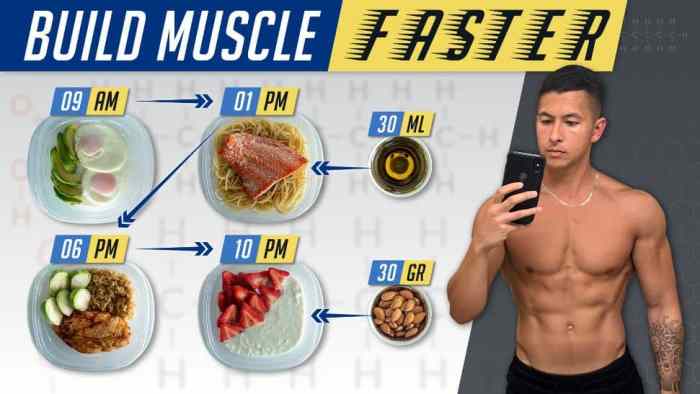
Best foods for muscle building are crucial for achieving significant gains. This guide explores the essential macronutrients—protein, carbohydrates, and fats—highlighting their roles in muscle growth and recovery. We’ll delve into optimal food choices, including lean protein sources, complex carbohydrates, and healthy fats, offering practical advice for building a balanced diet, regardless of dietary preferences. Discover effective strategies for fueling your workouts, optimizing muscle protein synthesis, and achieving your fitness goals.
From understanding the importance of amino acid profiles in protein sources to navigating the complexities of ketogenic diets, we’ll provide a comprehensive overview. We’ll also examine the benefits of superfoods, the role of gut health, and the impact of intermittent fasting on muscle growth. Ultimately, this guide aims to equip you with the knowledge to create a personalized nutrition plan that supports your muscle-building journey.
Vegan and Vegetarian Diets for Muscle Building
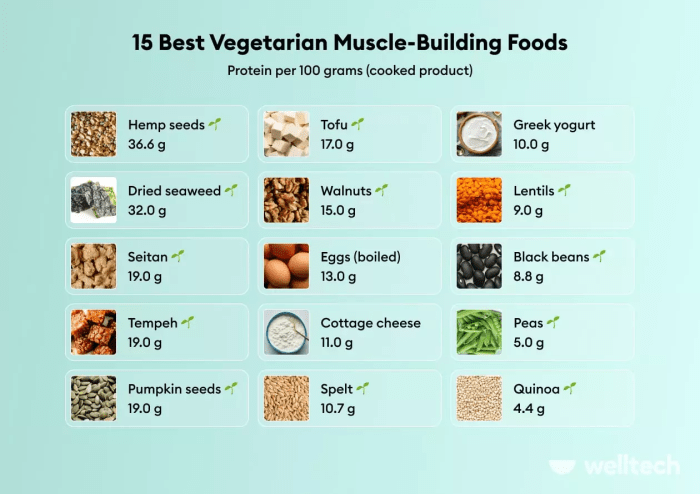
Building muscle on a vegan or vegetarian diet presents unique challenges, primarily due to the need for careful planning to ensure sufficient protein intake and the bioavailability of essential nutrients. However, with thoughtful meal planning and supplementation where necessary, significant muscle growth is entirely achievable. This section will explore the strategies and considerations for maximizing muscle building while adhering to a plant-based lifestyle.
Challenges of Plant-Based Muscle Building
One major challenge is obtaining sufficient amounts of high-quality protein. While plant-based foods contain protein, they often lack certain essential amino acids compared to animal sources. Another hurdle lies in ensuring adequate intake of iron, zinc, and vitamin B12, nutrients often found in higher concentrations in animal products and crucial for muscle growth and overall health. Furthermore, the absorption of iron from plant sources can be lower than from animal sources, requiring strategic food pairings to enhance bioavailability.
Finally, the higher volume of food needed to meet daily caloric and macronutrient goals can be a practical challenge for some individuals.
Plant-Based Protein Sources and Their Nutritional Benefits
Numerous plant-based foods offer excellent protein sources. Soy products, including tofu, tempeh, and edamame, are complete proteins, meaning they contain all nine essential amino acids. Lentils, chickpeas, and beans are also rich in protein and fiber, contributing to satiety and overall digestive health. Quinoa is another complete protein source, offering a good balance of amino acids along with essential minerals.
Nuts and seeds, such as almonds, chia seeds, and pumpkin seeds, provide protein alongside healthy fats and various micronutrients. For example, a cup of cooked lentils provides approximately 18 grams of protein, while a half-cup of cooked quinoa offers around 8 grams. These foods also contribute significantly to overall nutrient intake, supporting muscle recovery and growth.
Combining Plant-Based Foods for Complete Protein Profiles
To overcome the limitations of individual plant protein sources, it’s crucial to combine them strategically throughout the day to create a complete amino acid profile. For instance, pairing rice (low in lysine) with beans (low in methionine) provides a complete protein source. Similarly, combining quinoa with nuts or seeds creates a balanced amino acid profile. This approach ensures the body receives all the essential amino acids necessary for muscle protein synthesis.
A well-planned vegan or vegetarian diet, emphasizing a variety of plant-based protein sources throughout the day, can effectively support muscle building goals. For example, a meal of lentil soup with whole-wheat bread provides a good balance of amino acids, while a snack of almonds and a banana offers a quick source of protein and carbohydrates for muscle recovery.
Keto and Low-Carb Diets for Muscle Building: Best Foods For Muscle Building
Ketogenic and low-carb diets have gained popularity, particularly among athletes seeking to optimize body composition. These approaches significantly restrict carbohydrate intake, forcing the body to utilize fat as its primary energy source, a metabolic state known as ketosis. While effective for weight loss, their impact on muscle growth is a subject of ongoing research and debate.Ketogenic and low-carb diets achieve their effects by drastically reducing carbohydrate consumption, typically to 20-50 grams per day, forcing the body to shift its primary fuel source from glucose to ketones, produced from the breakdown of fats.
This metabolic shift can lead to significant weight loss, primarily through fat reduction. However, the impact on muscle mass depends on various factors, including training intensity, overall caloric intake, and macronutrient ratios. The potential for muscle loss is a key concern, particularly in individuals who are not adequately consuming sufficient protein.
Keto and Low-Carb Diets: Effects on Muscle Growth
The effects of ketogenic and low-carb diets on muscle growth are complex and not fully understood. While some studies suggest that these diets may hinder muscle protein synthesis, others show that individuals can maintain or even gain muscle mass while following a ketogenic diet, especially when combined with a rigorous resistance training program and adequate protein intake. The key seems to lie in maintaining a sufficient protein intake to support muscle repair and growth, and ensuring adequate caloric intake to prevent catabolism (muscle breakdown).
The initial weight loss seen on these diets may be advantageous for athletes who are looking to improve their strength-to-weight ratio. However, prolonged periods on very low carbohydrate intakes may lead to reduced glycogen stores, potentially impacting high-intensity performance.
Benefits of Keto and Low-Carb Diets for Athletes
For some athletes, particularly those involved in endurance events, the benefits of keto adaptation might include improved endurance and increased fat burning capacity. The body’s ability to efficiently utilize fat as fuel can be advantageous in prolonged activities where carbohydrate stores may be depleted. This increased reliance on fat oxidation can potentially spare glycogen, delaying fatigue and allowing for longer performance durations.
Furthermore, weight loss achieved through these diets can improve performance in sports where a lower body weight is advantageous, such as cycling or distance running.
Drawbacks of Keto and Low-Carb Diets for Athletes
The drawbacks of ketogenic and low-carb diets for athletes include the potential for reduced glycogen stores, leading to decreased high-intensity performance. The “keto flu,” characterized by fatigue, headache, and nausea, is a common side effect experienced during the initial adaptation period. Furthermore, some athletes may experience a reduction in strength and power output, particularly during short bursts of high-intensity activity.
The restrictive nature of these diets can also make it challenging to meet nutritional needs, potentially leading to deficiencies in essential vitamins and minerals. Finally, the long-term effects of ketogenic diets on muscle health and overall well-being are still being researched and are not definitively established.
Suitable Food Choices for Keto and Low-Carb Muscle Building
A successful keto or low-carb diet for muscle building requires careful planning to ensure adequate protein intake and overall caloric needs are met. High-protein foods are essential, such as lean meats (chicken breast, turkey, fish), eggs, and various protein powders. Healthy fats are also crucial for energy and hormone production. Good sources include avocados, nuts (almonds, walnuts), seeds (chia, flax), olive oil, and fatty fish (salmon, mackerel).
Low-carb vegetables, such as leafy greens (spinach, kale), broccoli, and asparagus, provide essential vitamins and minerals. It’s crucial to monitor carbohydrate intake closely and adjust food choices accordingly to maintain ketosis. Examples of a typical day’s meal plan might include a breakfast of eggs with avocado and spinach, a lunch of grilled chicken salad with olive oil dressing, and a dinner of salmon with roasted broccoli.
Supplementation with electrolytes may be necessary to counteract potential mineral losses.
Superfoods and Supplements for Muscle Growth
Building muscle requires a multifaceted approach, encompassing consistent training and a well-balanced diet. While whole foods form the cornerstone of any muscle-building plan, certain superfoods and supplements are often touted for their purported benefits in enhancing muscle growth and recovery. However, it’s crucial to understand both their potential advantages and associated risks before incorporating them into your regimen.
Superfoods for Muscle Growth
Several nutrient-rich foods are frequently categorized as “superfoods” due to their high concentration of vitamins, minerals, and antioxidants. These nutrients play a vital role in supporting muscle growth and overall health. Consuming a variety of these foods as part of a balanced diet can contribute significantly to achieving fitness goals.
- Leafy Greens (Spinach, Kale): Excellent sources of vitamins A, C, and K, as well as iron and other minerals crucial for muscle repair and growth. Their high nutrient density makes them a valuable addition to any diet.
- Berries (Blueberries, Strawberries): Packed with antioxidants, which combat inflammation and oxidative stress, both detrimental to muscle recovery. Their fiber content also aids digestion.
- Sweet Potatoes: Rich in complex carbohydrates, providing sustained energy for workouts, and beta-carotene, a precursor to vitamin A, essential for muscle protein synthesis.
- Salmon: An exceptional source of high-quality protein and omega-3 fatty acids, which have anti-inflammatory properties and support overall health and muscle function.
- Quinoa: A complete protein source, meaning it contains all nine essential amino acids, vital for muscle building. It also offers a good source of complex carbohydrates and fiber.
Supplements for Muscle Growth
While a balanced diet should provide most necessary nutrients, some individuals may consider supplements to address specific nutritional gaps or enhance muscle growth. However, it is important to approach supplementation cautiously and under the guidance of a healthcare professional.
- Creatine Monohydrate: A well-researched supplement that enhances adenosine triphosphate (ATP) production, improving short-burst power and strength. However, some individuals may experience water retention and gastrointestinal discomfort.
- Whey Protein: A fast-digesting protein source derived from milk, often used for post-workout recovery due to its rapid absorption rate. However, individuals with lactose intolerance may experience digestive issues.
- Casein Protein: A slow-digesting protein source also derived from milk, providing a sustained release of amino acids throughout the night, aiding in muscle protein synthesis during sleep. Similar to whey, lactose intolerance can be a concern.
- BCAAs (Branched-Chain Amino Acids): These essential amino acids (leucine, isoleucine, and valine) are crucial for muscle protein synthesis and may reduce muscle soreness. However, the effectiveness of BCAAs is still debated, and individual responses vary.
Potential Risks and Side Effects of Supplements
Supplement use carries potential risks and side effects, which can vary depending on the supplement, dosage, and individual factors. Always consult a healthcare professional before starting any supplement regimen. Some common side effects include: gastrointestinal issues (nausea, diarrhea, constipation), liver damage (in some cases with high doses of certain supplements), interactions with medications, and allergic reactions. It’s crucial to purchase supplements from reputable sources to ensure quality and purity.
Nutritional Value Comparison of Superfoods
Comparing the nutritional value of superfoods requires considering various factors, including the specific type of food, preparation method, and serving size. For instance, while both spinach and kale are leafy greens rich in vitamins and minerals, kale generally contains higher levels of vitamin K and calcium. Similarly, different types of berries offer varying antioxidant profiles. A balanced intake of a variety of superfoods ensures a broader spectrum of nutrients.
Intermittent Fasting and Muscle Building
Intermittent fasting (IF), characterized by cycling between periods of eating and voluntary fasting on a regular schedule, has gained popularity as a weight management and health optimization strategy. Its impact on muscle growth, however, is a subject of ongoing research and debate, with both potential benefits and drawbacks for athletes. Understanding the mechanisms and various approaches to IF is crucial for its safe and effective integration into a muscle-building program.Intermittent fasting influences muscle growth primarily through its effects on hormonal regulation and cellular processes.
Caloric restriction, inherent in most IF protocols, can lead to increased levels of human growth hormone (HGH), a crucial anabolic hormone promoting muscle protein synthesis. Additionally, IF may enhance insulin sensitivity, facilitating nutrient uptake and potentially optimizing muscle glycogen replenishment after workouts. However, it’s important to note that prolonged or improperly implemented IF can negatively impact muscle protein synthesis due to insufficient protein intake and a potential catabolic state if energy needs are not met.
Methods of Intermittent Fasting and Their Suitability for Athletes
Several methods of intermittent fasting exist, each with varying degrees of suitability for athletes aiming for muscle growth. The choice depends on individual training schedules, dietary preferences, and overall health status. The most common methods include the 16/8 method (fasting for 16 hours and eating within an 8-hour window), the 5:2 diet (eating normally for five days and restricting calories to 500-600 on two non-consecutive days), and alternate-day fasting (alternating between days of normal eating and fasting).
For athletes, the 16/8 method is often preferred due to its relative ease of implementation and less disruption to training schedules. More restrictive methods like alternate-day fasting may compromise training performance and muscle protein synthesis if not carefully managed with adequate nutrient intake during eating periods. The 5:2 diet, while less disruptive than alternate-day fasting, still requires careful planning to ensure sufficient protein and energy intake on non-fasting days.
Guidelines for Incorporating Intermittent Fasting into a Muscle-Building Program, Best foods for muscle building
Successfully incorporating intermittent fasting into a muscle-building program requires careful planning and attention to detail. Prioritizing adequate protein intake during the eating window is paramount to support muscle protein synthesis and prevent muscle loss. This means consuming a sufficient amount of high-quality protein sources throughout the eating period, potentially spreading it across several meals. Furthermore, maintaining sufficient calorie intake overall is essential; otherwise, muscle growth will be compromised.
The timing of workouts within the eating window is crucial to ensure optimal energy levels and nutrient availability for muscle repair and growth. For example, a strength training session followed immediately by a protein-rich meal is ideal to maximize muscle protein synthesis. Finally, individual responses to IF vary, and it’s advisable to monitor progress, adjust the fasting schedule as needed, and consult with a healthcare professional or registered dietitian to ensure a safe and effective approach.
Careful tracking of body composition changes, strength gains, and overall well-being are vital to determine the suitability of IF for individual athletes.
Nutrition for Athletes
Optimizing nutrition is crucial for athletes seeking to maximize muscle growth and overall performance. The specific nutritional needs vary significantly depending on the type of training, intensity, and individual factors such as age, sex, and genetics. Understanding these nuances allows athletes to fuel their bodies effectively and achieve their athletic goals.
Nutritional Needs Across Different Training Disciplines
Athletes engaged in different training modalities have varying energy demands and macronutrient requirements. Strength athletes, for example, typically require a higher protein intake to support muscle protein synthesis and repair after intense weight training sessions. Conversely, endurance athletes, who participate in prolonged activities like marathons or cycling, need a greater emphasis on carbohydrate intake to provide sustained energy.
The ratio of carbohydrates, proteins, and fats should be adjusted based on the predominant energy system used during training. For instance, a powerlifter might prioritize a higher protein-to-carbohydrate ratio compared to a long-distance runner.
Hydration and Electrolyte Balance for Muscle Performance
Adequate hydration is paramount for optimal muscle function and performance. Dehydration can lead to reduced blood volume, decreased cardiovascular efficiency, and impaired thermoregulation, ultimately impacting athletic performance. Electrolytes, including sodium, potassium, magnesium, and calcium, play vital roles in muscle contraction, nerve impulse transmission, and fluid balance. During prolonged or intense exercise, athletes lose significant amounts of electrolytes through sweat, leading to electrolyte imbalances that can manifest as muscle cramps, fatigue, and decreased performance.
Therefore, maintaining proper hydration and electrolyte balance through strategic fluid and electrolyte intake is essential for maximizing athletic performance and preventing dehydration-related issues. Replenishing fluids and electrolytes lost during training is crucial, and the specific needs will vary depending on factors like the duration and intensity of exercise, environmental conditions, and individual sweat rates.
Sample Meal Plan for an Endurance Athlete
This sample meal plan is designed for an endurance athlete engaging in moderate to high-intensity training. Individual needs may vary, and adjustments should be made based on training volume, intensity, and body composition goals. Calorie and macronutrient targets should be personalized with the guidance of a registered dietitian or sports nutritionist.
| Meal | Description | Macronutrient Focus |
|---|---|---|
| Breakfast (7:00 AM) | Oatmeal with berries and nuts, a scrambled egg, and a glass of milk | Carbohydrates and Protein |
| Mid-Morning Snack (10:00 AM) | Banana with peanut butter | Carbohydrates and Healthy Fats |
| Lunch (1:00 PM) | Quinoa salad with grilled chicken or fish, mixed vegetables, and a light vinaigrette dressing | Carbohydrates, Protein, and Healthy Fats |
| Afternoon Snack (4:00 PM) | Greek yogurt with fruit | Protein and Carbohydrates |
| Dinner (7:00 PM) | Lean protein source (chicken, tofu, or fish) with brown rice and steamed vegetables | Protein and Carbohydrates |
| Before Exercise (1 hour prior) | Small carbohydrate-rich snack like a rice cake with honey | Fast-digesting Carbohydrates |
| During Exercise (if >90 minutes) | Sports drink with electrolytes and a carbohydrate gel | Electrolytes and Carbohydrates |
| After Exercise (within 30 minutes) | Protein shake with carbohydrates and electrolytes | Protein and Carbohydrates |
Eating for Energy and Focus
Building muscle requires significant energy and mental fortitude. Consistent training, coupled with the demands of recovery and daily life, necessitates a diet that fuels both physical performance and cognitive function. Ignoring nutritional needs in favor of solely focusing on protein intake can lead to fatigue, poor concentration, and ultimately, hinder muscle growth. A holistic approach, emphasizing sustained energy and sharp mental clarity, is key to optimizing your muscle-building journey.Proper nutrition plays a vital role in maintaining energy levels and mental focus.
The brain is a highly energy-demanding organ, relying primarily on glucose for fuel. However, relying on simple carbohydrates leads to energy crashes, impacting both workout intensity and cognitive performance. Instead, a balanced diet rich in complex carbohydrates, healthy fats, and lean protein provides a steady release of energy, preventing these fluctuations and promoting sustained mental clarity throughout the day.
This consistent energy supply is crucial for optimal training and recovery, directly influencing muscle growth and overall progress.
Foods Promoting Sustained Energy and Cognitive Function
A diet designed to support both energy and muscle growth should prioritize nutrient-dense foods that provide sustained energy release and support cognitive function. These foods minimize energy crashes and promote mental clarity, crucial for adhering to a demanding workout routine and recovery process. Examples include whole grains like brown rice and quinoa, which provide complex carbohydrates for sustained energy.
Lean protein sources, such as chicken breast, fish, and lentils, support muscle repair and growth while also contributing to satiety and stable blood sugar levels. Healthy fats, found in avocados, nuts, and olive oil, are essential for hormone production and brain function, further enhancing energy levels and focus. Finally, fruits and vegetables provide essential vitamins and minerals that support overall health and well-being, indirectly contributing to both physical and mental performance.
Sample Meal Plan for Energy and Muscle Growth
This sample meal plan demonstrates how to combine foods for sustained energy and muscle growth. Individual needs may vary based on activity level, body composition, and individual metabolic rates. This plan serves as a template and should be adjusted accordingly.
| Meal | Food Items | Rationale |
|---|---|---|
| Breakfast (7:00 AM) | Oatmeal with berries and nuts, a scrambled egg with spinach | Complex carbohydrates from oatmeal provide sustained energy; protein from eggs and nuts supports muscle repair; antioxidants and vitamins from berries enhance overall health. |
| Mid-Morning Snack (10:00 AM) | Greek yogurt with a handful of almonds | Protein from Greek yogurt supports muscle growth; healthy fats and protein from almonds provide sustained energy and satiety. |
| Lunch (1:00 PM) | Chicken breast salad with quinoa and mixed greens, dressed with olive oil and lemon juice | Lean protein from chicken supports muscle growth; complex carbohydrates from quinoa provide sustained energy; healthy fats from olive oil support hormone production; vitamins and minerals from greens enhance overall health. |
| Afternoon Snack (4:00 PM) | Apple slices with peanut butter | Natural sugars from apples provide a quick energy boost; protein and healthy fats from peanut butter provide sustained energy and satiety. |
| Dinner (7:00 PM) | Salmon with roasted sweet potatoes and broccoli | Lean protein and healthy fats from salmon support muscle growth and hormone production; complex carbohydrates from sweet potatoes provide sustained energy; vitamins and minerals from broccoli enhance overall health. |
Healthy Eating on a Budget
Building muscle requires a consistent supply of high-quality protein, carbohydrates, and healthy fats. However, achieving this nutritional goal doesn’t necessitate breaking the bank. Many affordable food options effectively support muscle growth, making a physique-focused diet accessible to everyone, regardless of budget. Smart planning and strategic shopping are key to success.Building muscle on a budget requires a focus on nutrient-dense, inexpensive foods.
This approach prioritizes whole, unprocessed options over expensive pre-packaged meals or supplements. Careful meal planning and smart shopping strategies can significantly reduce grocery costs without compromising the nutritional needs of a muscle-building diet.
Cost-Effective Muscle-Building Foods
The following table categorizes affordable foods based on their primary macronutrient contribution, highlighting their role in muscle growth and overall health. These options are readily available in most grocery stores and are generally less expensive than many processed alternatives.
| Macronutrient | Food | Benefits for Muscle Building | Cost-Effectiveness |
|---|---|---|---|
| Protein | Chicken Breast (bone-in is cheaper) | Excellent source of lean protein, essential for muscle repair and growth. | Relatively inexpensive, especially when purchased in bulk or on sale. |
| Protein | Eggs | Complete protein source, rich in essential amino acids. | Cost-effective, particularly when bought in larger quantities. |
| Protein | Lentils | High in protein and fiber, also a good source of iron. | Very inexpensive and highly versatile in cooking. |
| Protein | Canned Tuna | Convenient and affordable source of protein. | Often cheaper than fresh fish. |
| Carbohydrates | Brown Rice | Provides sustained energy, important for intense workouts. | Significantly cheaper than many other grains. |
| Carbohydrates | Sweet Potatoes | Rich in carbohydrates and essential vitamins. | Generally affordable and offer a good source of nutrients. |
| Carbohydrates | Oats | Excellent source of complex carbohydrates and fiber. | Very inexpensive, especially in bulk. |
| Healthy Fats | Peanut Butter | Good source of healthy fats and protein. | Affordable and can be incorporated into many meals and snacks. |
| Healthy Fats | Avocados | Rich in monounsaturated fats, beneficial for overall health. | While more expensive than some other options, avocados provide significant nutritional value. |
| Fruits & Vegetables | Frozen Fruits and Vegetables | Offer a wide range of vitamins and minerals at a lower cost than fresh produce, often on sale. | Cost-effective and convenient, retaining nutritional value. |
Budget-Friendly Meal Planning and Shopping Strategies
Effective meal planning and smart shopping habits are crucial for maximizing your budget. Creating a weekly meal plan based on the affordable options listed above helps avoid impulse purchases and reduces food waste. Shopping with a list and comparing prices between different stores or brands can also lead to significant savings. Consider buying in bulk when possible for staples like rice, oats, and lentils.
Taking advantage of sales and coupons can further enhance cost-effectiveness. Remember that preparing meals at home is generally cheaper than eating out.
Weight Management Diets and Muscle Building
The simultaneous pursuit of weight loss and muscle gain, often referred to as “body recomposition,” presents a unique challenge. It requires a carefully balanced approach that considers both caloric intake and the type of exercise performed. While seemingly contradictory, achieving both goals is possible, albeit often slower than focusing solely on one objective. The key lies in manipulating macronutrient ratios, training intensity, and overall energy balance.Achieving weight loss and muscle gain simultaneously requires a delicate balance between calorie intake and expenditure.
A slight caloric deficit is generally recommended to promote fat loss, but this deficit should not be too severe, as it can hinder muscle protein synthesis. The body needs sufficient calories and protein to repair and build muscle tissue. Combining resistance training with a moderate caloric deficit optimizes this process. The intensity and volume of the resistance training are also crucial; higher intensity and volume workouts stimulate greater muscle protein synthesis.
Calorie Intake and Exercise Strategies for Body Recomposition
Successful body recomposition hinges on creating a manageable calorie deficit while maintaining adequate protein intake to support muscle growth. A common strategy involves consuming slightly fewer calories than the body expends, usually in the range of 250-500 calories per day. This deficit should be coupled with a consistent resistance training program focusing on compound exercises (those that work multiple muscle groups simultaneously), such as squats, deadlifts, bench presses, and overhead presses.
Cardiovascular exercise can be incorporated but should be moderate to avoid excessive caloric expenditure that could compromise muscle growth. For example, a person aiming for body recomposition might reduce their daily caloric intake by 300 calories while performing three resistance training sessions per week and two moderate-intensity cardio sessions. The specific caloric deficit and exercise regimen will vary based on individual factors like age, sex, activity level, and body composition.
Dietary Strategies for Simultaneous Weight Loss and Muscle Gain
Several dietary strategies can support body recomposition. These strategies emphasize lean protein sources, complex carbohydrates, and healthy fats, all while maintaining a slight caloric deficit.A high-protein diet is crucial. Protein provides the building blocks for muscle repair and growth. Aim for a daily protein intake of 1.6-2.2 grams per kilogram of body weight. Examples of excellent protein sources include lean meats (chicken breast, turkey), fish (salmon, tuna), eggs, beans, lentils, and tofu.Prioritize complex carbohydrates for sustained energy levels.
These carbohydrates are digested more slowly than simple sugars, preventing energy crashes and supporting muscle glycogen replenishment. Good sources include brown rice, quinoa, oats, sweet potatoes, and whole-grain bread.Include healthy fats in moderation. Healthy fats are essential for hormone production and overall health. Sources include avocados, nuts, seeds, and olive oil.An example of a sample meal plan for body recomposition might include:Breakfast: Oatmeal with berries and a scoop of protein powder.Lunch: Grilled chicken salad with mixed greens, vegetables, and a light vinaigrette.Dinner: Baked salmon with quinoa and steamed broccoli.Snacks: Greek yogurt, almonds, or a protein shake.This meal plan provides adequate protein, complex carbohydrates, and healthy fats while keeping calories in a slight deficit.
The specific macronutrient ratios should be adjusted based on individual needs and preferences. It’s advisable to consult with a registered dietitian or certified personal trainer to create a personalized plan.
Building muscle effectively requires a holistic approach, combining consistent training with a well-structured nutrition plan. This guide has explored the vital role of specific foods in supporting muscle growth, highlighting the importance of balanced macronutrient intake, strategic food choices, and attention to dietary needs based on individual goals and preferences. By understanding the principles discussed and applying them to your diet, you can significantly enhance your muscle-building progress and overall well-being.
General Inquiries
What are the best times to eat for muscle growth?
Consuming protein within 30-60 minutes post-workout is beneficial for muscle repair. Spread protein intake evenly throughout the day for sustained muscle protein synthesis.
How much protein do I actually need for muscle building?
Recommendations vary, but generally, 1.6-2.2 grams of protein per kilogram of body weight is considered sufficient for most individuals. Adjust based on training intensity and individual needs.
Can I build muscle without supplements?
Absolutely! A well-planned diet rich in whole foods provides all the necessary nutrients for muscle growth. Supplements can be beneficial for some, but they are not essential.
What about creatine? Is it safe?
Creatine is a generally safe and effective supplement for increasing strength and muscle mass. However, consult a healthcare professional before starting any new supplement regimen.