Vegan Meal Ideas for Beginners
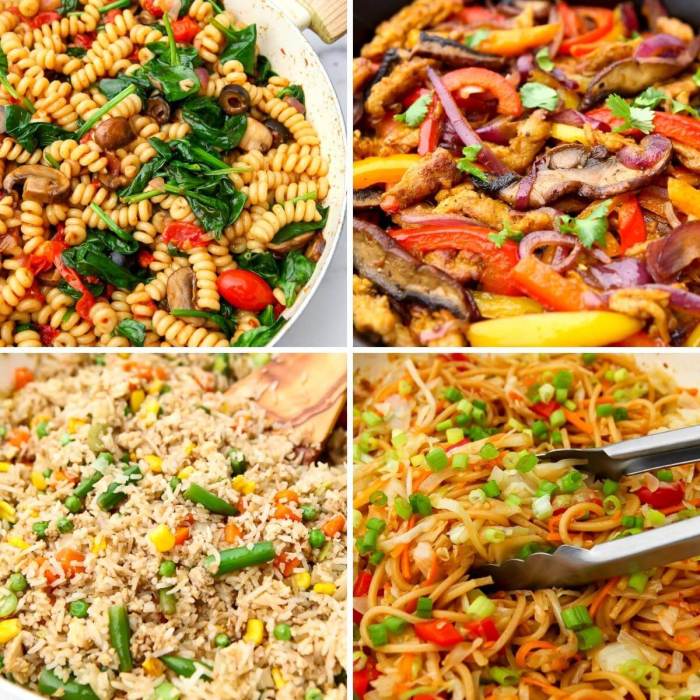
Vegan meal ideas for beginners: Embark on a delicious and fulfilling journey into plant-based eating! This guide provides simple, nutritious recipes and practical tips to make transitioning to a vegan lifestyle easy and enjoyable. Whether you’re a seasoned cook or a complete novice, you’ll find approachable recipes and expert advice to help you create flavorful and satisfying vegan meals for breakfast, lunch, and dinner.
We’ll cover everything from essential vegan staples and cooking techniques to addressing common nutritional concerns and creating a sustainable, budget-friendly meal plan. Learn how to incorporate complete proteins, essential vitamins and minerals, and healthy fats into your diet, while exploring the diverse world of vegan cuisine. Prepare to discover a wealth of delicious and healthy recipes that will inspire you to embrace a plant-based lifestyle.
Healthy Recipes and Cooking Tips (Across Diets)
Healthy cooking techniques vary depending on dietary restrictions, but many principles overlap. Understanding these commonalities allows for easier adaptation of recipes across vegan, vegetarian, keto, and low-carb diets, maximizing nutritional benefits while meeting specific needs. This section explores these techniques and offers adaptable recipe examples.
While each diet has unique macronutrient targets, healthy cooking generally emphasizes minimizing processed foods, maximizing whole foods, and utilizing cooking methods that preserve nutrients. For instance, steaming, baking, and stir-frying are preferred over deep-frying, which adds unhealthy fats. Seasoning with herbs and spices, rather than relying on excessive salt or sugar, is another crucial element across all diets.
Comparison of Healthy Cooking Techniques Across Diets
The core difference lies in the primary macronutrient sources. Vegan and vegetarian diets prioritize plant-based proteins and complex carbohydrates, while keto and low-carb diets emphasize healthy fats and limit carbohydrates. However, techniques like roasting vegetables (suitable for all four diets), using healthy oils (like olive oil or avocado oil), and employing flavorful herbs and spices remain consistent. The key distinction is in the
-choice* of ingredients, not necessarily the cooking method itself.
Adaptable Recipe Examples
A simple stir-fry provides a great example of adaptability. A vegan version might use tofu or tempeh as the protein source, along with an abundance of colorful vegetables and a soy sauce-based stir-fry sauce. A vegetarian adaptation could incorporate chicken or lentils. A keto or low-carb version would replace the soy sauce with coconut aminos and focus on lower-carb vegetables like broccoli, cauliflower, and spinach, potentially adding some healthy fats with avocado or nuts.
Incorporating Superfoods and Supplements
Superfoods, nutrient-dense foods like berries, leafy greens, and nuts, and supplements can enhance any diet. However, it’s crucial to remember that a balanced diet should primarily provide necessary nutrients. Supplements should be considered additions, not replacements, for whole foods. For example, incorporating chia seeds into smoothies (suitable for vegan, vegetarian, and keto diets, adjusting portion sizes as needed) provides fiber and omega-3 fatty acids.
Similarly, adding spinach to a stir-fry or a smoothie boosts iron and vitamins. Consult a healthcare professional or registered dietitian before starting any new supplement regimen.
Vegan Diets and Specific Health Needs: Vegan Meal Ideas For Beginners
Adopting a vegan diet requires careful planning to ensure all nutritional needs are met, especially when considering specific health conditions or lifestyle choices. This section explores how to tailor a vegan diet to support various needs, focusing on athletes, gut health, and maintaining consistent energy levels.
Vegan Diets for Athletes
Athletes have significantly higher caloric and macronutrient needs compared to sedentary individuals. A well-planned vegan diet can successfully meet these demands, but careful attention to detail is crucial. Protein intake is paramount for muscle repair and growth, and athletes should prioritize high-protein vegan sources such as tofu, tempeh, lentils, quinoa, and seitan. Adequate carbohydrate intake is also essential for energy provision, focusing on complex carbohydrates like brown rice, sweet potatoes, and whole grains for sustained energy release.
Healthy fats, crucial for hormone production and overall health, can be obtained from avocados, nuts, seeds, and olive oil. Supplementation with creatine and vitamin B12 may also be necessary, depending on individual needs and dietary intake. Careful monitoring of micronutrient intake is vital, ensuring sufficient iron, calcium, zinc, and omega-3 fatty acids through diverse food choices or targeted supplementation.
For example, a vegan marathon runner might incorporate a daily smoothie containing spinach, berries, tofu, and chia seeds to maximize iron, antioxidants, and protein intake.
Gut Health and Nutrition in a Vegan Diet, Vegan meal ideas for beginners
The gut microbiome plays a significant role in overall health, influencing digestion, immunity, and even mental well-being. A well-planned vegan diet can positively impact gut health by increasing the intake of fiber-rich foods like fruits, vegetables, legumes, and whole grains. These foods act as prebiotics, feeding beneficial gut bacteria. Including fermented foods like kimchi, sauerkraut, and tempeh further enhances gut microbial diversity.
Conversely, an unbalanced vegan diet lacking in fiber and variety can lead to digestive issues. Sufficient hydration is also vital for optimal gut function. For instance, a person experiencing bloating after adopting a vegan diet might benefit from increasing their water intake and gradually introducing more fiber-rich foods to avoid digestive upset. Probiotics, either through food or supplements, may also be beneficial for individuals with specific gut health concerns.
Maintaining Energy and Focus on a Vegan Diet
Sustained energy and mental clarity are crucial for daily functioning. A well-balanced vegan diet plays a significant role in achieving this. Prioritizing complex carbohydrates, lean proteins, and healthy fats ensures a steady release of energy, preventing energy crashes commonly associated with diets high in refined sugars. Regular meal timing helps to stabilize blood sugar levels and maintain consistent energy throughout the day.
Incorporating foods rich in B vitamins, such as legumes and leafy greens, supports energy production and cognitive function. Sufficient iron intake is also crucial for preventing fatigue and improving focus. For example, a vegan student preparing for exams might incorporate a breakfast of oatmeal with berries and nuts, providing sustained energy and brain-boosting nutrients. Avoiding excessive caffeine and processed foods further contributes to maintaining consistent energy levels and mental clarity.
Budget-Friendly Vegan Eating
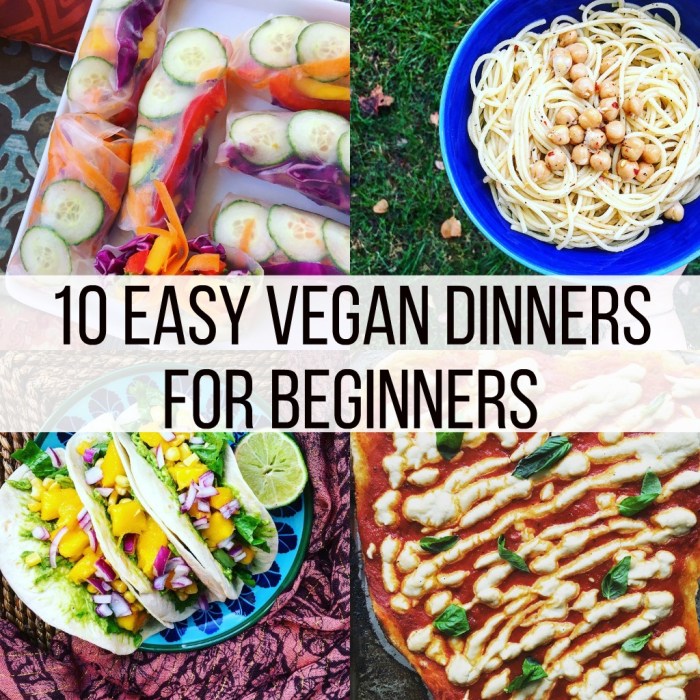
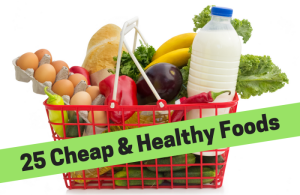
Embracing a vegan lifestyle doesn’t have to break the bank. With careful planning and smart shopping, delicious and nutritious vegan meals can be surprisingly affordable. This section explores strategies for creating a budget-friendly vegan diet, focusing on inexpensive ingredients, minimizing waste, and maximizing savings.Many assume that veganism is inherently expensive, but this is a misconception. By focusing on plant-based staples and minimizing processed foods, it’s entirely possible to eat a healthy and satisfying vegan diet without exceeding your grocery budget.
In fact, many staple vegan ingredients are significantly cheaper than their animal-based counterparts.
Affordable Vegan Ingredients
A wide variety of affordable and nutritious foods form the backbone of a budget-friendly vegan diet. These ingredients are readily available in most grocery stores and offer excellent value for their nutritional content.
- Dried beans and lentils: These are incredibly versatile and inexpensive sources of protein and fiber. A small bag can yield multiple meals.
- Rice and grains: Brown rice, quinoa, oats, and barley are all budget-friendly staples that provide carbohydrates and essential nutrients.
- Seasonal vegetables: Purchasing vegetables that are in season is significantly cheaper than buying out-of-season produce. Check your local farmers’ markets for the best deals.
- Frozen fruits and vegetables: Frozen produce is often just as nutritious as fresh and significantly cheaper, especially during times when fresh produce is expensive.
- Tofu and tempeh: These soy-based products are excellent sources of protein and can be used in a wide variety of dishes.
Budget-Friendly Vegan Recipes
Many simple, delicious, and inexpensive vegan recipes utilize the affordable ingredients listed above. Here are a few examples:
- Lentil soup: A hearty and filling soup made with lentils, carrots, celery, and onions. This can be made in large batches and easily stored for several days.
- Black bean burgers: A simple and satisfying burger made with black beans, breadcrumbs, and spices. This recipe is highly customizable and can be adapted to suit individual preferences.
- Vegetable stir-fry: A quick and easy meal made with a variety of affordable vegetables and rice or noodles. Use seasonal vegetables for the best prices.
- Oatmeal with fruit: A nutritious and filling breakfast made with oats, water or plant-based milk, and your favorite fruits (fresh or frozen).
Reducing Food Waste and Saving Money on Groceries
Minimizing food waste is crucial for budget-friendly eating. Careful planning and proper storage techniques can significantly reduce waste and save money.
- Meal planning: Planning your meals for the week helps ensure you only buy what you need, preventing food from spoiling.
- Proper storage: Store food correctly to extend its shelf life. Learn how to properly store different types of produce to maximize freshness.
- Use leftovers creatively: Turn leftover vegetables into soups, stews, or frittatas. Don’t let anything go to waste.
- Buy in bulk (when appropriate): Buying staples like grains, beans, and lentils in bulk can often save money, but only if you’ll use them before they expire.
Planning Meals Around Sales and Discounts
Taking advantage of sales and discounts is a simple yet effective way to save money on groceries.
- Check weekly flyers: Browse grocery store flyers to identify sales and discounts on ingredients you frequently use.
- Utilize store apps: Many grocery stores offer apps with digital coupons and personalized deals.
- Be flexible with your meal plan: Adjust your meal plan based on what’s on sale, rather than sticking rigidly to a pre-planned menu.
- Buy in season: Seasonal produce is almost always cheaper and more flavorful.
Veganism and Weight Management
Vegan diets, characterized by the exclusion of all animal products, can be highly effective for weight management when planned correctly. While often associated with weight loss, the relationship between veganism and weight is complex and depends heavily on dietary choices and overall lifestyle. A well-planned vegan diet can be nutrient-rich and contribute to a healthy weight, but an unbalanced vegan diet can lead to weight gain or nutritional deficiencies.The potential for weight management on a vegan diet stems from several factors.
Plant-based foods are generally lower in calories and fat than their animal-based counterparts, and are often higher in fiber, promoting satiety and aiding digestion. Fiber-rich foods help regulate blood sugar levels, preventing energy crashes and subsequent overeating. Furthermore, many vegan diets naturally incorporate more fruits and vegetables, which are low in calories and high in essential vitamins and minerals.
Factors Contributing to Weight Management on a Vegan Diet
A successful vegan weight management plan hinges on several key components. Careful consideration of macronutrient balance, focusing on adequate protein intake from plant sources like legumes, tofu, tempeh, and quinoa, is crucial for maintaining muscle mass and metabolic function. Sufficient healthy fats, primarily from sources like avocados, nuts, seeds, and olive oil, are also essential for overall health and hormone regulation.
Prioritizing whole, unprocessed foods over refined carbohydrates and processed vegan alternatives is key to maximizing nutritional value and minimizing calorie intake.
Portion Control and Mindful Eating
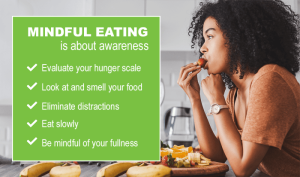
Portion control and mindful eating are fundamental to achieving and maintaining a healthy weight, regardless of dietary choices. Mindful eating encourages paying attention to hunger and fullness cues, eating slowly, and savoring each bite. This approach helps prevent overeating and promotes a healthier relationship with food. Portion control involves being aware of the appropriate serving sizes for different food groups, ensuring balanced meals, and avoiding excessive snacking.
Using smaller plates and bowls can visually aid in portion control. For example, a mindful eater would pay attention to their body’s signals of satiety, stopping when they feel comfortably full rather than eating until they feel overly stuffed. They might also choose to eat their meal without distractions like television or phones.
Practical Strategies for Weight Management on a Vegan Diet
Maintaining a healthy weight on a vegan diet requires planning and awareness. Regular physical activity complements a healthy diet, aiding weight management and improving overall health. Tracking food intake through a food diary or app can provide valuable insights into calorie consumption and nutrient intake, facilitating adjustments as needed. Consulting a registered dietitian or nutritionist specializing in vegan diets can provide personalized guidance and support to ensure nutritional adequacy and achieve weight management goals.
It is important to note that individual needs vary, and professional advice should be sought to tailor a plan to specific circumstances.
Mastering vegan cooking is a rewarding experience that opens doors to a world of culinary creativity and health benefits. By following the simple recipes and practical tips Artikeld in this guide, you’ll not only create delicious and nutritious meals but also contribute to a more sustainable and compassionate lifestyle. Remember, starting small and focusing on enjoyable, easy-to-prepare recipes is key to long-term success.
Embrace the journey, experiment with flavors, and enjoy the delicious rewards of a plant-based diet!
FAQ Summary
What are some common misconceptions about vegan diets?
Many believe vegan diets are restrictive or lack essential nutrients. With proper planning, a vegan diet can be highly nutritious and varied.
How can I ensure I’m getting enough protein on a vegan diet?
Incorporate a variety of plant-based protein sources such as legumes, tofu, tempeh, nuts, seeds, and quinoa.
Are vegan diets expensive?
While some specialty vegan products can be pricey, many affordable options exist, such as beans, lentils, rice, and seasonal vegetables. Careful meal planning and bulk buying can significantly reduce costs.
What about vitamin B12?
Vitamin B12 is not naturally found in plant-based foods, so supplementation or consumption of fortified foods is crucial.